
Creating a dedicated reading corner at home is an excellent way to foster a lifelong love for books in your child. The centerpiece of this cozy space is a child sofa chair, which must balance ergonomic support, safety, and durability to keep young readers comfortable. Selecting the right chair involves evaluating physical dimensions, frame stability, and fabric choices that can withstand daily use and tropical humidity. By focusing on these key factors, you can design an inviting nook that encourages your child to sit back, relax, and dive into their favorite stories.
Key Features to Evaluate in a Child Sofa Chair
When shopping for a child sofa chair, physical and material specifications should be your primary focus. Unlike adult furniture, children’s seating must match their smaller proportions to prevent fatigue and discomfort. Start by measuring the seat depth and height. Ideally, your child should be able to sit with their back fully against the backrest while their feet rest flat on the floor or a stable footstool. If the seat is too deep, they will slouch, which can strain their developing spine over long reading sessions.
Frame stability is another critical factor to examine before making a purchase. Children rarely sit perfectly still; they climb, wiggle, and shift their weight constantly. Look for chairs with a low center of gravity and a wide, stable base to minimize the risk of tipping over. Solid wood frames or heavy-duty molded foam structures generally offer better stability than lightweight plastic alternatives. Always check the manufacturer’s specified weight capacity limits to ensure the chair can safely support your child as they grow, as well as the occasional heavy book bag or toy pile.
Products mentioned in this guide
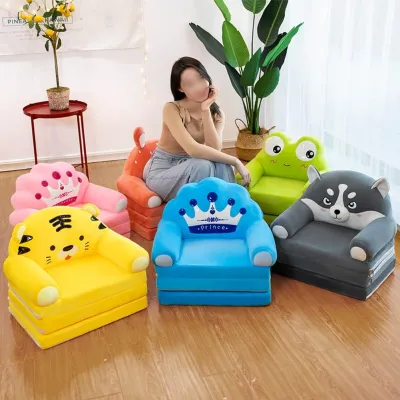
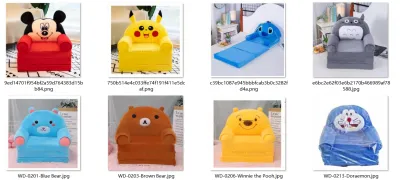
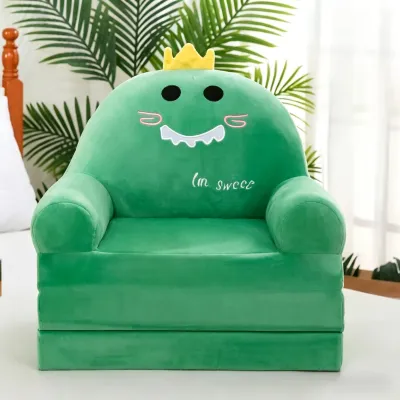
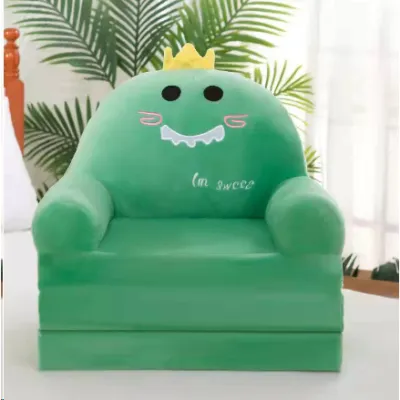
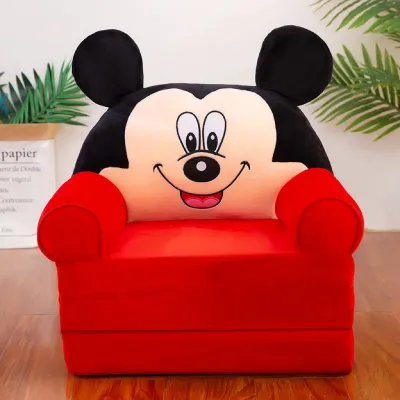
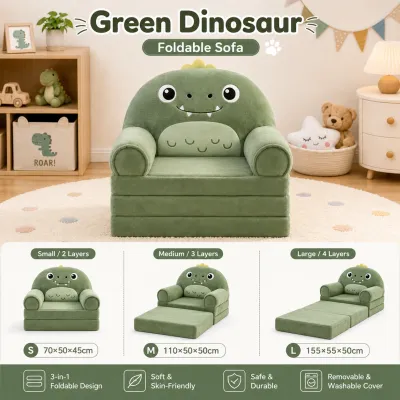
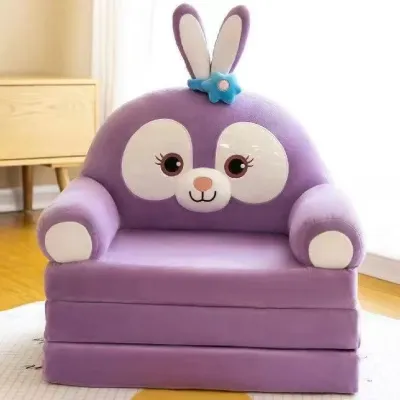
Prices are valid at publication and may change. Please refer to the product page for the latest price.
Upholstery choice is particularly important in tropical climates like the Philippines, where high humidity and heat can make certain materials uncomfortable. Opt for breathable fabrics such as cotton canvas, linen blends, or specialized performance weaves that allow airflow and prevent sweating. Avoid heavy synthetic leathers that can feel sticky against bare skin on warm afternoons. While high-quality options might require a larger initial investment, setting a budget of around ₱1,500 to ₱4,000 allows you to find a durable, well-constructed chair that lasts for years and features removable, washable covers for easy cleaning.
Setting Up a Functional and Cozy Reading Nook
Integrating a child sofa chair into your home requires thoughtful space planning to ensure the area is both functional and safe. Begin by selecting a quiet corner in your living room, bedroom, or playroom that is away from high-traffic pathways. Measure the available floor space and compare it with the chair’s dimensions, leaving at least 60 to 90 centimeters of clearance around the chair. This open space allows your child to move freely, get in and out of the chair safely, and prevents the nook from feeling cramped.

Lighting is a vital element that directly impacts your child’s reading comfort and eye health. Position the reading chair near a window to maximize natural light during daytime reading sessions. For late afternoon or evening reading, add a child-friendly reading lamp. Ensure the lamp uses a cool-to-the-touch LED bulb to prevent accidental burns, and secure any loose electrical cords behind furniture or with cord covers to eliminate tripping hazards. The light should be positioned to shine directly onto the book without creating harsh glare or casting shadows across the pages.
To complete the reading environment, surround the sofa chair with complementary, low-profile accessories. A low, front-facing bookshelf allows young children to see book covers easily and select their own reading material independently. Place a soft, washable rug under the chair to define the space and provide a comfortable spot for floor play. A small, stable side table can hold a water cup or a small reading light, but ensure it has rounded corners and a sturdy base that will not easily tip over if bumped during active play.
Matching the Chair to Your Child's Age and Habits
A child’s developmental stage and reading habits should heavily influence the style of sofa chair you choose. For toddlers, safety and ease of access are the top priorities. Look for chairs with very low seat heights, typically between 15 and 25 centimeters, allowing them to sit down and stand up without assistance. Enclosed or high-sided designs, such as mini tub chairs or foam-filled armchairs, provide extra lateral support for toddlers who are still developing their balance. Durable, wipeable fabrics are essential at this stage to handle frequent spills and crayon marks.
As children transition to school age, their seating needs shift toward ergonomic support for longer reading sessions. School-aged children benefit from deeper seats, supportive backrests, and structured armrests that help prop up heavy books or tablets. Look for chairs that mimic adult ergonomic designs but are scaled down to child proportions. At this stage, children may also appreciate features like side pockets for storing books or a matching ottoman where they can stretch out their legs while reading.
If you plan to participate in reading sessions with your child, consider shared reading scenarios. While a standard child sofa chair is designed for one, some families prefer a wider “chair-and-a-half” or a small two-seater kids’ sofa. When evaluating these options, pay close attention to the overall weight limits and seat width. A wider seat allows you to sit comfortably side-by-side with your toddler, or provides enough room for two siblings to share a book together, making the reading corner a hub for family bonding.
Essential Safety and Maintenance Checks
Before finalizing your purchase, perform a thorough safety and maintenance audit of the child sofa chair. Start by verifying the manufacturer’s labels for exact weight limits, age recommendations, and safety certifications. These labels provide crucial guidance on whether the chair is structurally suited for your child’s current developmental stage. Avoid relying solely on visual appeal; a chair that looks sturdy may have a low weight threshold that makes it unsafe for older or more active children.
Next, inspect the physical construction of the chair. Run your hands along the frame, corners, and underside to check for exposed hardware, sharp edges, or rough wooden splinters that could cause injury. If the chair features a wooden or metal frame, ensure all joints are tightly secured and do not wobble when pressure is applied. For chairs with removable fabric covers, inspect the zipper safety. Many children’s products use safety zippers that require a paperclip or special tool to open, preventing curious toddlers from accessing the internal foam or stuffing, which can pose a choking hazard.
Finally, review the manufacturer’s care instructions to ensure they align with your household’s cleaning routine. Check the cleaning codes on the fabric tag to determine if the material requires professional dry cleaning, spot cleaning with specific solvents, or if it can be tossed into a standard washing machine. In humid tropical environments, fabric covers that are fully machine-washable are highly advantageous, as they allow you to regularly wash away sweat, dust mites, and potential mold spores, keeping the reading nook clean and hygienic.
Frequently Asked Questions (FAQ)
Can a regular accent chair work for a child's reading corner?
While using an existing adult accent chair might seem convenient, it presents significant ergonomic and safety trade-offs for children. Adult chairs have excessive seat depths that prevent a child’s back from reaching the support of the backrest, forcing them to slouch or dangle their legs. This lack of proper foot support can cause discomfort and restlessness during reading. Furthermore, oversized chairs have a higher center of gravity relative to a child’s weight, increasing the risk of the chair tipping over if the child climbs, stands, or shifts weight on the edges.
How do I clean spills on a child sofa chair without damaging the fabric?
To clean spills effectively, always blot the liquid immediately with a clean, dry microfiber cloth instead of rubbing, which can push the stain deeper into the fabric fibers. Check the manufacturer’s cleaning code on the care label—usually marked as W (water-based cleaner), S (solvent-based cleaner), or WS (either). Before applying any cleaning solution, test it on a small, hidden area of the chair to ensure it does not cause discoloration or fabric damage. For humid climates, ensure the chair is completely dry after cleaning to prevent mold growth.
Community discussion
Share your experience or ask a question. Comments are reviewed before publication.