
Determining the right clothes cabinet starts with an honest evaluation of your current inventory and daily routines. Rather than guessing based on room size alone, matching your storage habits to the correct cabinet type—whether a compact single-door unit, a spacious multi-door wardrobe, or a comprehensive walk-in system—ensures your bedroom remains functional and organized. Use this diagnostic guide to identify your exact capacity needs and spatial constraints before making a purchase.
Assess Your Current Clothing Volume and Storage Habits
Before browsing online marketplaces or local furniture showrooms, take a complete inventory of what you own. Group your clothes by how they are stored: items that must hang, such as delicate dresses, linen shirts, and formal trousers, versus items that can be folded, like t-shirts, activewear, and denim. This simple count establishes the necessary ratio of hanging rails to shelving inside your future cabinet.
Consider the local climate and seasonal storage needs. In the Philippines, high humidity levels require careful planning for fabric preservation. You may not have heavy winter coats, but you likely have bulky bedding, extra pillows, or occasional travel wear that needs dedicated, dust-free storage. Allocating top shelves for these less-frequently accessed items keeps your daily wardrobe within arm’s reach.
Products mentioned in this guide
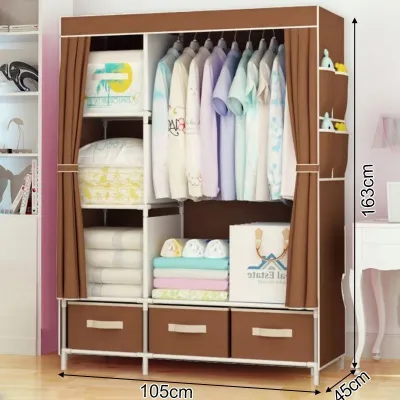
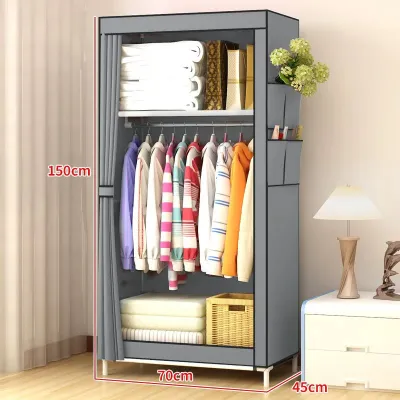
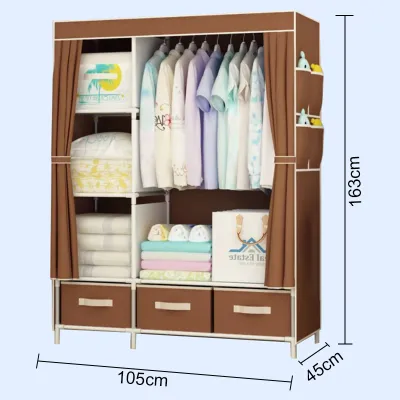
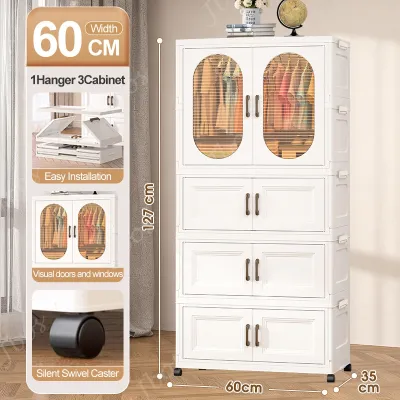
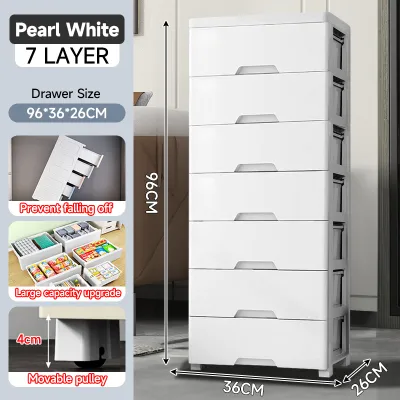
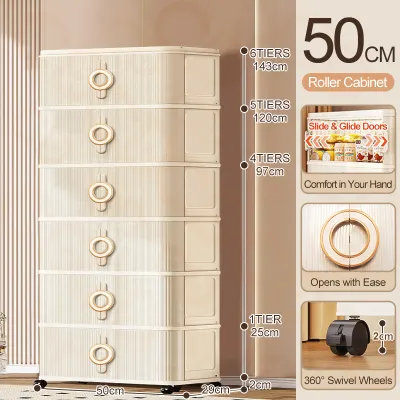
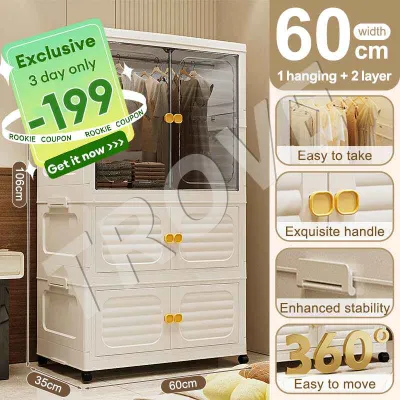
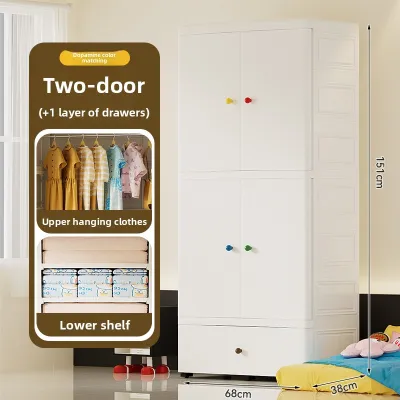
Prices are valid at publication and may change. Please refer to the product page for the latest price.
Your daily routine also dictates the ideal cabinet configuration. If you prefer to see all your options at a glance, open shelving or glass-front doors might suit your habits. However, if you prefer a clean, minimalist look or want to protect your clothes from ambient dust and light, fully concealed doors are a more practical choice. Drawers are highly beneficial for smaller items like socks, undergarments, and accessories, keeping them organized without cluttering main shelves.
Single-Door and Double-Door Cabinets: Best for Compact Spaces
A compact single-door or double-door clothes cabinet is highly efficient for rooms with limited floor space, such as studio apartments, guest bedrooms, or children’s rooms. These units are designed to provide essential storage without overwhelming the physical layout of a small room. They work exceptionally well for individuals with a streamlined, minimalist wardrobe or those who store their off-season clothes elsewhere.

When evaluating a smaller cabinet, pay close attention to the internal layout. Look for models that feature adjustable shelves, which allow you to customize the height of each compartment as your storage needs change. A sturdy primary hanging rail is essential, and it should have enough vertical clearance beneath it to prevent your everyday shirts and trousers from bunching at the bottom.
A common mistake with compact cabinets is ignoring vertical space. If your bedroom has a small footprint but high ceilings, a standard-height double-door cabinet might leave valuable vertical space completely unused. In such cases, look for taller units or cabinets designed with top-box extensions to maximize your storage capacity without taking up additional floor area.
Multi-Door and Sliding Wardrobes: Ideal for Shared or Growing Collections
As your clothing collection grows or when you share a bedroom with a partner, a multi-door wardrobe becomes a practical necessity. These larger cabinets, typically featuring three, four, or more doors, offer the expansive volume required to organize diverse clothing types. They provide the structure needed to keep shared spaces orderly, preventing one person’s wardrobe from encroaching on another’s.
When choosing a multi-door cabinet, the door mechanism is a critical decision point. Traditional hinged doors offer full access to the cabinet interior at once, but they require significant clearance space in front of the unit to swing open fully. If your bed is positioned close to the wardrobe, sliding doors are an excellent alternative, as they glide smoothly along a track parallel to the frame, saving valuable floor space.
Internal zoning is where multi-door wardrobes truly excel. You can dedicate specific sections to different users or categorize your clothing by function, such as separating formal workwear from casual weekend attire. Look for configurations that offer a balanced mix of double-hanging rails for shorter items, long-hanging sections for dresses, and integrated drawer units for personal accessories.
Walk-In Closets and Modular Systems: When to Upgrade for Maximum Capacity
A modular walk-in system or a dedicated walk-in closet is the ultimate storage solution for those with extensive clothing, shoe, and accessory collections. This option transitions your storage from a single piece of furniture into a fully integrated architectural feature. It is highly suitable for spacious master suites where dressing is treated as an organized, daily ritual.
Transitioning to a walk-in system requires careful spatial planning. You must ensure there is adequate walkway clearance—typically at least 60 to 90 centimeters—to move, bend, and reach comfortably within the space. Without this clearance, even a large walk-in closet can feel cramped and difficult to navigate, defeating its primary purpose of convenience and accessibility.
Modular systems allow for a high degree of personalization through specialized inserts. You can incorporate pull-out trouser racks that prevent creasing, velvet-lined jewelry drawers, dedicated shoe cubbies, and integrated LED lighting. These features not only protect high-value items but also make locating specific pieces effortless, saving time during busy mornings.
Space and Layout Checks Before You Buy
Before finalizing your purchase, precise physical measurements are non-negotiable. Measure the exact width, depth, and height of the wall space where the cabinet will stand. For hinged-door models, measure the distance from the front of the cabinet to nearby furniture to ensure the doors can open completely without striking the bed frame, nightstands, or entryways.
The placement of your clothes cabinet must also respect the room’s existing layout and airflow. Avoid positioning a large wardrobe where it blocks natural light from windows or obstructs the airflow from air conditioning units and wall fans. In tropical environments, maintaining unobstructed air circulation is essential for keeping both your room and your clothing fresh and free from dampness.
Finally, assess the structural conditions of your room. Tall, heavy cabinets require a perfectly level floor to prevent the frame from warping over time, which can cause doors to misalign or stick. For safety, especially with tall or top-heavy units, ensure the cabinet can be securely anchored to the wall to prevent accidental tip-overs, verifying that the wall material can support the anchoring hardware.
Frequently Asked Questions (FAQ)
How do I measure my room for a new clothes cabinet?
Start by measuring the total width, depth, and height of the designated wall area using a reliable tape measure. Be sure to account for architectural details such as baseboards, wall moldings, and window frames, which can reduce the actual usable space. Additionally, check the location of light switches, electrical outlets, and air conditioning vents to ensure the cabinet will not block access to these essential fixtures.
Is it better to buy a freestanding cabinet or a built-in wardrobe?
A freestanding clothes cabinet offers excellent flexibility, as it can be easily relocated if you rearrange your room or move to a new home, and it generally requires less initial installation effort. A built-in wardrobe, on the other hand, is custom-fitted to your space, maximizing every centimeter of vertical and horizontal wall area. The choice depends on whether you prioritize long-term flexibility or seamless, space-maximizing integration.
How much hanging space do I need for long garments?
Long garments like maxi dresses, long coats, and jumpsuits typically require a vertical hanging clearance of 130 to 150 centimeters to hang freely without touching the bottom of the cabinet. Shorter items like shirts, blouses, and folded trousers only need about 90 to 100 centimeters of vertical space. Before purchasing, measure the length of your longest garments and verify that the cabinet’s internal rail configuration can accommodate them without causing fabric to bunch.
Community discussion
Share your experience or ask a question. Comments are reviewed before publication.