
Selecting the right coffee cart for a small apartment or condominium requires balancing daily utility with open floor space. In compact living environments, a coffee cart often serves multiple purposes—functioning as a coffee station, a side table, or even a temporary workspace. However, choosing an oversized or poorly proportioned model can quickly disrupt the flow of your room, making your living area feel cramped and difficult to navigate.
To find the ideal size, you must evaluate your room’s physical layout, the height of your existing furniture, and the practical paths you walk every day. By focusing on precise dimensions and versatile design features, you can introduce a highly functional piece of furniture that complements your space instead of crowding it.
Measure Your Space and Traffic Flow Before Buying
Before browsing online catalogs or visiting furniture showrooms, you must establish the exact physical limits of your room. Relying on visual estimates often leads to buying furniture that dominates the space. Using painter’s tape to outline potential cart dimensions directly on your floor is a practical way to visualize how much area the piece will occupy.
Products mentioned in this guide
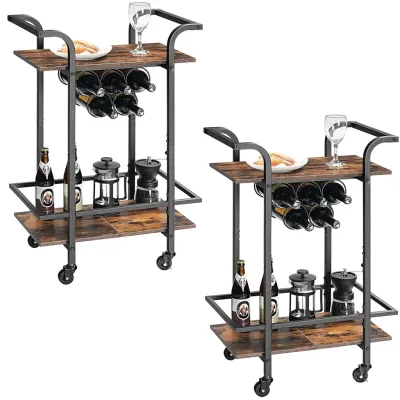
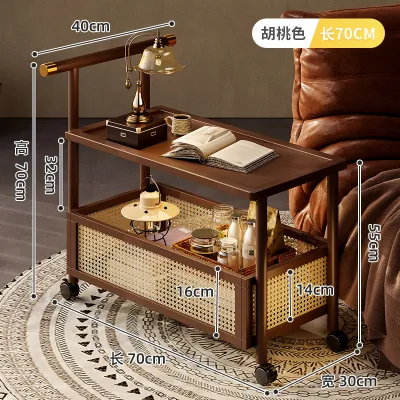
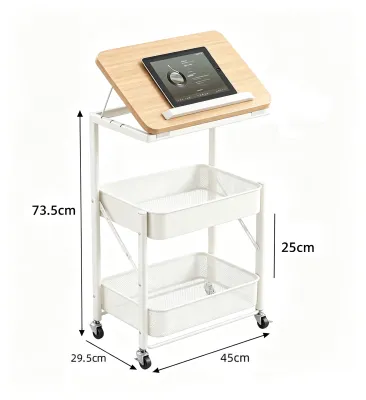
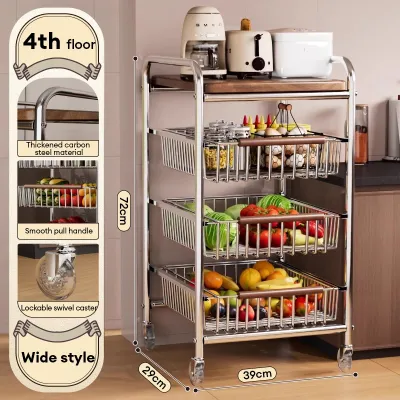
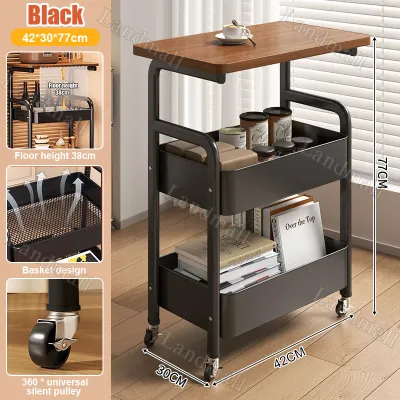
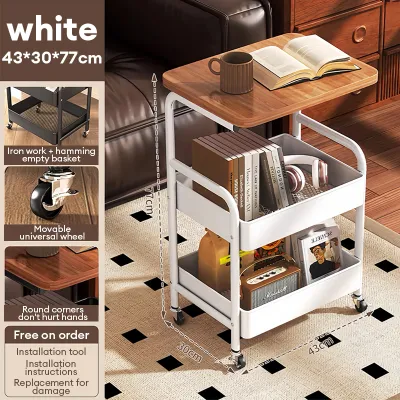
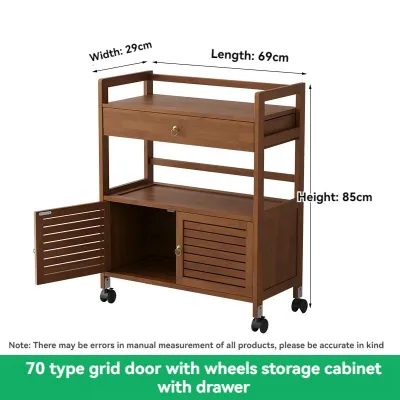
Prices are valid at publication and may change. Please refer to the product page for the latest price.
When mapping out the footprint, measure both the length and width of the designated area in both inches and centimeters. In tight Philippine condo layouts, every centimeter counts. You need to ensure the cart does not block access to balcony doors, built-in cabinets, or main walkways.
Walkway clearance is the most critical factor in maintaining a comfortable home environment. You should leave at least 18 to 24 inches (45 to 60 cm) of clear space around the coffee cart. This clearance allows you to walk past the cart comfortably without turning sideways, and ensures you have enough legroom when sitting on the sofa.
Height is another dimension that dictates both comfort and visual balance. The top surface of your coffee cart should ideally sit 1 to 2 inches (2.5 to 5 cm) lower than the top of your sofa or chair seat cushions. This height relationship makes it easy to reach for a cup or book while seated, and prevents the cart from feeling like a physical barrier in the middle of the room.
Finally, do not overlook the journey the furniture must take to reach your living room. Measure the height and width of your apartment’s main doorway, narrow hallways, stairwells, and especially condo service elevators. Many modern high-rise developments have strict elevator size limits, and verifying these dimensions beforehand prevents the frustration of a failed delivery.
Standard Coffee Cart Dimensions for Compact Layouts
Coffee carts come in several standard shapes and sizes, each suited to specific room configurations. Understanding these categories allows you to match the cart’s geometry to the shape of your seating arrangement.

Compact rectangular carts are highly efficient for narrow, elongated living rooms. These models typically measure 36 to 40 inches (91 to 101 cm) in length and 18 to 22 inches (45 to 55 cm) in width. Because of their elongated shape, they pair exceptionally well with standard three-seater sofas, providing a balanced look without extending too far into the room’s central walkway.
Square and round coffee carts offer a more centralized footprint, making them ideal for tight L-shaped sectional sofas or cozy two-seater setups. These models generally range from 24 to 30 inches (60 to 76 cm) in width or diameter. Round carts are particularly beneficial in high-traffic areas because their lack of sharp corners prevents painful bumps and allows for smoother foot traffic.
Vertical proportion is equally important when managing visual clutter. Standard coffee cart heights range from 16 to 18 inches (40 to 45 cm). Carts that stand taller than 20 inches (50 cm) tend to look bulky and disproportionate in apartments with standard or low ceilings, as they disrupt the low-slung sightlines that make small rooms feel larger.
| Cart Shape | Standard Dimensions | Ideal Room Layout | Recommended Seating |
|---|---|---|---|
| Compact Rectangular | 36"–40" L x 18"–22" W (91–101 x 45–55 cm) | Narrow or elongated living areas | 3-seater sofas or linear setups |
| Square / Round | 24"–30" W/Diameter (60–76 cm) | Small square rooms or corner nooks | 2-seater love seats or small sectionals |
| Slim Console Style | 30"–36" L x 12"–15" W (76–91 x 30–38 cm) | Multi-use entryways or wall placements | Accent chairs or modular seating |
Space-Saving Features for Compact Living
When floor space is limited, the functionality of your furniture must work twice as hard. Choosing a coffee cart with smart, space-saving design features allows you to adapt your living room for different activities throughout the day.
Casters, or wheels, provide invaluable mobility in a small apartment. A mobile cart can be easily rolled against a wall to clear space for home workouts, cleaning, or hosting guests. When shopping for a wheeled model, always verify that at least two of the casters feature reliable locking mechanisms to keep the cart stable when holding hot drinks or heavy appliances.
Drop-leaf or extendable tops offer excellent structural flexibility. These designs allow you to keep the cart in a slim, compact configuration for daily use, and then expand the surface area when you have guests over or need extra space to prep meals. This eliminates the need for a separate dining table in studio apartments.
Nested elements and integrated seating are also highly efficient. Some coffee carts are designed to house nested side tables or small, stackable stools directly underneath their main frame. This setup provides instant extra surfaces or seating for guests that can be tucked away completely out of sight when no longer needed.
Built-in storage solutions help reduce the overall furniture count in your apartment. Look for carts featuring lower shelves, deep drawers, or hidden compartments. Utilizing the lower half of your coffee cart for books, board games, or extra tableware removes the need for additional storage units, keeping your floor area open and clean.
Common Sizing and Placement Mistakes to Avoid
Avoiding common buying pitfalls can save you from the hassle of returning bulky items or living with a cramped layout. One of the most frequent mistakes is ignoring the visual weight of the furniture.
A solid, dark wood or heavy metal box-style cart can make a small room feel incredibly crowded, even if its physical dimensions are technically correct. To maintain open sightlines, prioritize carts made with open metal frames, thin legs, tempered glass, or clear acrylic tops. These materials allow light to pass through, creating the illusion of a more spacious room.
If you plan to use your cart to hold small kitchen appliances like a coffee maker, espresso machine, or air purifier, you must plan for clearance and safety. Ensure there is adequate vertical space between shelves for heat dissipation, and check that the cart can be positioned close to a wall outlet without stretching or pinching electrical cords.
Rug proportions also play a major role in how organized your living room looks. A coffee cart should either sit entirely on your area rug alongside the front legs of your sofa, or it should sit completely off the rug. A cart that sits half-on and half-off a thick rug will wobble, creating a tipping hazard for your drinks and looking visually cluttered.
Lastly, never skip checking the assembly requirements and delivery constraints. Some carts are delivered fully assembled in large, non-collapsible boxes. If you live in a high-rise building, confirm with your building administration that the delivery box can fit through the service entrance and elevator doors before finalizing your purchase.
Frequently Asked Questions (FAQ)
Can I use a bar cart instead of a coffee cart in a small apartment?
While both pieces of furniture offer mobility and storage, they serve different ergonomic purposes. Bar carts are typically designed to be stood next to, averaging 30 to 36 inches (76 to 91 cm) in height. Placing a tall bar cart directly in front of a standard sofa can block your view of the television, disrupt the room’s sightlines, and make it awkward to reach down for items while seated.
If you prefer the aesthetic of a bar cart, it is best placed in a dining nook, kitchen corner, or against an empty wall as a stationary beverage station. For the central seating area, stick to a dedicated coffee cart that sits at a comfortable, low-profile height of 16 to 18 inches (40 to 45 cm).
What is the best material for a coffee cart in a humid climate?
In humid, tropical environments like the Philippines, choosing the right material and finish is crucial for long-term durability. Untreated solid woods and low-grade medium-density fiberboard (MDF) are highly susceptible to absorbing moisture from the air, which can lead to warping, swelling, or mold growth over time.
To ensure your coffee cart lasts, look for models made with powder-coated steel frames, rust-resistant aluminum, tempered glass, or high-pressure laminates. If you prefer the warmth of wood, verify that the manufacturer has applied a moisture-resistant sealant or polyurethane topcoat. Always check the manufacturer’s care instructions and product specifications to confirm the materials are treated for humid conditions.
Community discussion
Share your experience or ask a question. Comments are reviewed before publication.