
Finding the right coffee table for a compact living room requires balancing functional surface area with comfortable physical movement. In smaller homes, such as urban condominiums and apartments, the most suitable coffee table is one that respects the natural flow of the room while remaining easily reachable from the sofa. Generally, a table that is roughly two-thirds the length of your sofa and sits at or slightly below seat cushion height provides a balanced proportion. Curved shapes like rounds and ovals excel at keeping tight walkways clear, while narrow rectangular options maximize surface area along straight seating arrangements.
How to Measure Your Space for a Coffee Table
Focus on measuring the floor area before browsing any furniture catalog. Start by mapping out the footprint of your existing seating. Measure the distance from the front edge of your sofa to the opposite wall, television console, or adjacent armchairs. In compact layouts, every centimeter counts, so using a physical tape measure rather than estimating is essential for a precise fit.
Next, calculate the necessary walkway clearance around the table. For comfortable passage, you need enough space to walk naturally without turning sideways. This is especially critical in high-traffic pathways where family members frequently move between the kitchen, entryway, and balcony.
Products mentioned in this guide
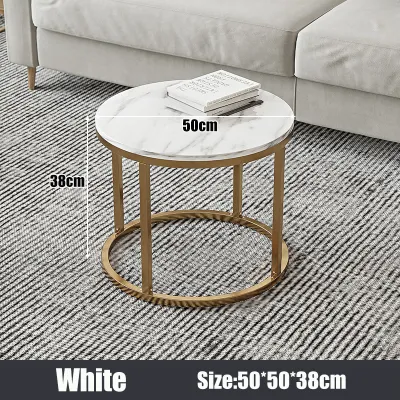
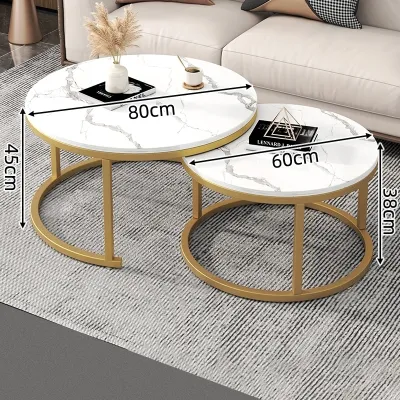
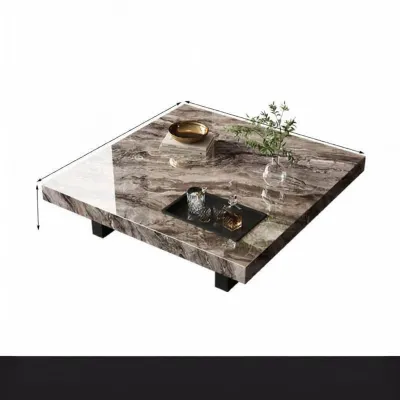
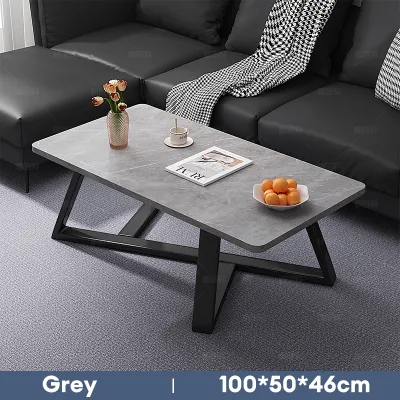
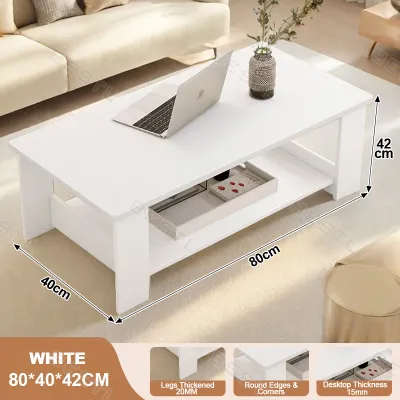
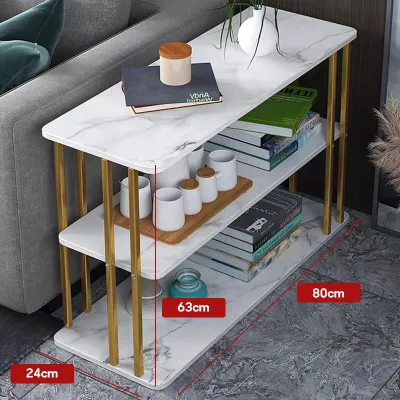

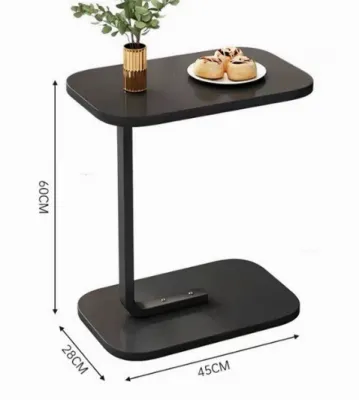
Prices are valid at publication and may change. Please refer to the product page for the latest price.
Do not forget to account for moving parts within the room. Measure the swing radius of nearby doors, storage cabinets, and balcony access points. In tropical climates like the Philippines, where balcony doors are often opened for natural ventilation, ensuring your coffee table does not obstruct these entryways is vital for both safety and daily convenience.
Finally, consider the logistics of getting the furniture into your home. Verify that the finished dimensions of the table can easily pass through your building’s lift doors, stairwells, and apartment doorways during delivery. A table that fits your living room is of little use if it cannot clear the entryway during installation.
Choosing the Right Coffee Table Shape for Compact Rooms
The shape of a coffee table dictates both its physical footprint and its visual weight, which is how heavy or bulky the piece appears in the room. A table with a large physical footprint can make a small room feel instantly crowded, while a piece with high visual weight can make the entire seating area feel dark and enclosed.

Evaluating how different shapes interact with your specific room layout allows you to select a design that preserves open floor space. Depending on whether your seating is arranged in a straight line, an L-shape, or a small conversational cluster, certain shapes will naturally complement the flow of your home better than others.
Round and Oval Coffee Tables
Round and oval coffee tables are highly practical choices for tight spaces and active households. Because they lack sharp corners, these curved designs allow for smoother, safer navigation through narrow walkways. You can move around the seating area without the risk of bumping into sharp edges, which is a common hazard in compact living rooms.
Visually, curved edges soften the overall look of a room. The absence of harsh angles helps to break up the rigid lines of standard sofas and rectangular walls, creating an organic flow that makes the living space feel more open and airy. This visual softening is particularly beneficial in studio apartments where multiple functional zones overlap.
However, there is a trade-off to consider when choosing a curved table. Round and oval shapes offer less usable flat surface area compared to their angular counterparts. If you frequently use your coffee table for dining, working, or displaying decorative items, you may need to balance this aesthetic openness with your daily practical needs.
Rectangular and Square Coffee Tables
Rectangular and square coffee tables work exceptionally well in small rooms that feature highly symmetrical layouts. A narrow rectangular table aligns efficiently with a standard straight sofa, mirroring its lines and maximizing the reachability of the surface from every seat. This alignment creates a clean, structured look that can make a small room feel more organized.
The primary challenge with angular tables in tight quarters is the risk of sharp corners protruding into main walkways. In a narrow room, a square or rectangular corner can easily block a path or catch on clothing. To mitigate this, look for designs with slightly rounded corners or ensure the table’s width is narrow enough to leave ample clearance on all sides.
A narrow rectangular table is particularly suitable when your living room is long and shallow. By choosing a model with a slim depth, you can enjoy a generous length of surface space for drinks and books without encroaching on the precious floor space between your seating and the media console.
Ideal Coffee Table Dimensions and Proportions
To ensure your coffee table complements your sofa rather than overwhelming it, you must pay close attention to height, length, and depth proportions. The height of the table surface should relate directly to the height of your sofa seat cushions. Generally, a table that sits at the same height as your cushions, or up to five centimeters lower, is comfortable for reaching items without straining.
The length of the table should also be proportional to your seating. A good guideline is to select a coffee table that is approximately one-half to two-thirds the total length of your sofa. A table that is too short will look lost and be difficult to reach from the ends of the sofa, while a table that is too long will make it difficult to get in and out of the seating area.
Finally, establish a clear clearance gap between the edge of the sofa cushions and the edge of the table. This gap should be wide enough to allow for comfortable legroom and easy standing, yet close enough that you do not have to lean forward excessively to set down a cup. Before finalizing your purchase, test this distance by placing temporary markers or boxes on your floor to simulate the table’s physical presence.
Space-Saving Coffee Table Features to Consider
When floor space is limited, choosing a coffee table with built-in functional features can significantly improve your room’s utility. Nested tables are an excellent option for flexible living. These sets consist of two or three tables of graduating sizes that slide completely underneath one another, allowing you to expand your surface area when hosting guests and tuck them away to reclaim floor space afterward.
Lift-top tables and designs with hidden storage compartments are also highly effective for reducing visual clutter. In small homes, keeping surfaces clear of remote controls, magazines, and chargers helps the room feel larger. A table with a lift-top mechanism can also double as a temporary work desk or dining surface, eliminating the need for extra furniture.
The materials you choose also play a major role in how spacious your room feels. Transparent materials, such as tempered glass or clear acrylic, allow light to pass through and keep the floor visible, which minimizes the table’s visual footprint. Conversely, solid opaque bases, such as heavy wood or metal drums, anchor the room more heavily and can make a small space feel more enclosed.
When selecting materials like wood, glass, or metal, remember that material names alone do not guarantee durability or moisture resistance. Always check the manufacturer’s care instructions and the quality of the protective finish, especially in humid tropical environments where moisture can affect joints and surfaces over time.
Common Sizing Mistakes to Avoid
One of the most frequent mistakes is choosing a coffee table that is too tall or too deep for the surrounding furniture. A table that rises significantly above your sofa cushions disrupts the visual line of the room and makes lounging uncomfortable. Similarly, a table that is too deep will restrict legroom and force you to squeeze past to sit down.
Another common error is blocking primary traffic routes or ignoring the boundaries of your area rug. Your coffee table should sit comfortably within the front legs of your seating arrangement and should never overlap onto high-traffic walkways or block access to balcony doors. If you must squeeze or turn sideways to walk past the table, it is too large for the space.
Lastly, do not ignore the visual weight of thick, solid bases. While a solid block table might look appealing in a showroom, it can act as a massive visual roadblock in a compact living room. Always consider how the base of the table interacts with the light and floor space in your home, opting for open frames or leggy designs when you need to maintain an airy feel.
Frequently Asked Questions (FAQ)
Can I use a large coffee table in a small living room?
While a large coffee table can easily overwhelm a small room and block essential walkways, it can work under specific conditions. If you have a large L-shaped sectional sofa that defines a clear, dedicated seating zone, a larger square or round table can fit neatly into the corner crook. However, you must ensure that the table does not obstruct the main pathways leading into and out of the living area.
What is the standard clearance between a sofa and a coffee table?
The standard recommended clearance between the edge of your sofa and the edge of the coffee table is typically between 35 and 45 centimeters. This distance provides enough legroom for comfortable sitting and standing while keeping the table within easy reach. To find the right distance for your home, check your specific sofa depth, cushion compression, and the table’s edge profile, and test the physical gap by sitting down and standing up before making a purchase.
Community discussion
Share your experience or ask a question. Comments are reviewed before publication.