
Finding the right side table for the bed in a compact bedroom requires balancing physical footprint with daily utility. When floor space is limited, a bedside table must do more than just hold a lamp; it needs to act as a centralized charging hub and an organized storage unit without overcrowding your sleeping area. By focusing on precise measurements, smart storage configurations, and integrated power management, you can select a piece that keeps your essentials within arm’s reach while maintaining a clean, spacious feel in your room.
Measure Your Available Space and Bed Height
Before browsing designs, you must establish the exact physical boundaries of your bedside layout. Start by measuring the available floor footprint next to your mattress, taking care to account for door swings, wardrobe doors, and walking pathways. In tight rooms, even a few centimeters of overhang can obstruct your daily movement or block access to closet drawers. If your bed is positioned near a window, ensure the table’s depth does not interfere with hanging curtains or window screens.
Next, measure the height of your mattress from the floor. For comfortable ergonomics, the top surface of your side table for the bed should sit roughly level with or a few centimeters above your mattress. A table that is too tall makes reaching for a glass of water awkward, while one that is too low increases the risk of knocking items over in the dark. If you use a thick mattress topper, remember to include its height in your final calculations.
Products mentioned in this guide

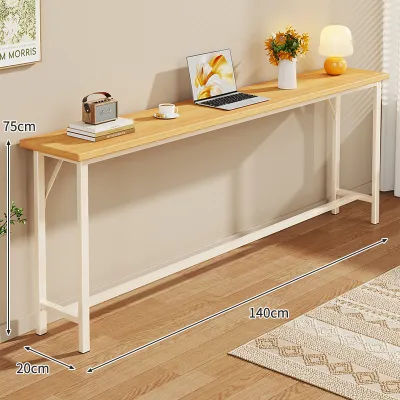
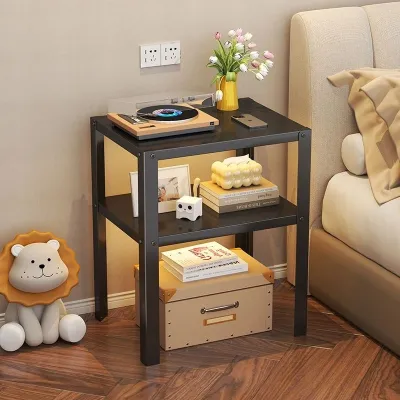
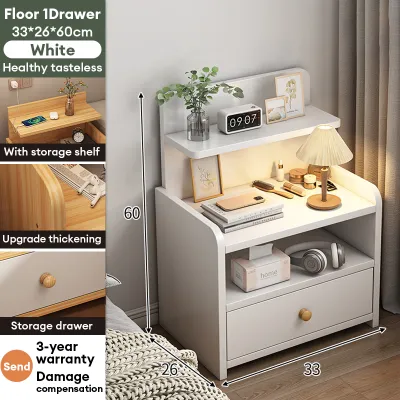
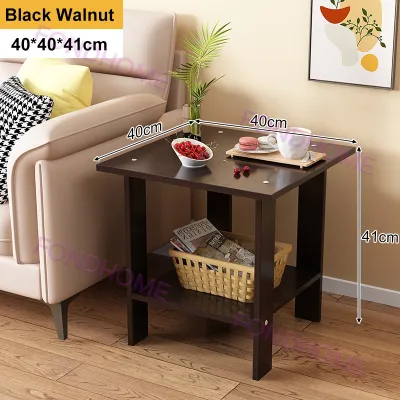
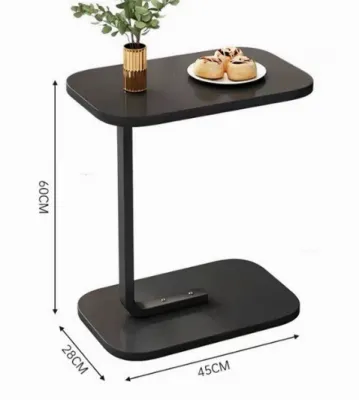
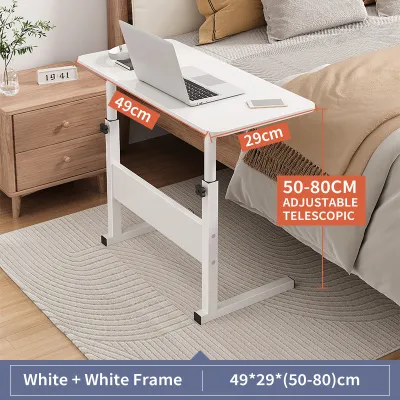
Prices are valid at publication and may change. Please refer to the product page for the latest price.
Finally, inspect the wall behind your bed. Note the location of baseboards, which can prevent a flush fit against the wall, and locate your electrical outlets. If your chosen table has a solid back panel, it might block access to the wall socket entirely, requiring you to plan for a gap or select a design with an open back. Additionally, check if the outlet is controlled by a wall switch, as this will affect how you power your bedside lamps and chargers.
Select the Right Storage Configuration
The ideal storage layout depends entirely on what you need to keep by your bed and how much visual clutter you are comfortable seeing. Open shelving offers quick, unobstructed access to books, tablets, or decorative items, making a small room feel lighter and more open. However, open shelves require constant tidying to prevent a messy appearance and can collect dust quickly in breezy, fan-cooled rooms.

Enclosed drawers or cabinets are better suited for hiding personal items, cables, and daily clutter. If you choose a drawer design, verify the clearance required to pull the drawer fully open without hitting your bed frame or nearby furniture. Some compact tables feature pull-out trays or sliding tops that temporarily extend your surface area without permanently consuming floor space, which is ideal for holding a morning cup of coffee.
When evaluating storage depth, check the internal dimensions of the drawers or shelves against your actual belongings. If you use specific devices, such as a CPAP machine, a thick journal, or large reading glasses cases, ensure the compartments are deep and wide enough to accommodate them comfortably. In humid tropical climates, look for ventilated compartments, breathable materials, or moisture-resistant finishes to prevent musty odors and mold buildup inside closed drawers.
Verify Charging Capabilities and Cable Management
A built-in charging station is highly convenient, but the electrical components must match your devices’ power requirements. Examine the integrated power strip or USB module to identify the types of ports provided, such as USB-A or USB-C. Check the wattage ratings listed on the product label; lower-wattage ports may charge modern smartphones and tablets very slowly, so look for fast-charging specifications if you rely on quick power-ups.
Cable management is crucial for keeping a small space looking organized. Look for tables with integrated routing channels, rear grommets, or recessed power bays that hide cords from view. A well-designed table will route the main power cable discreetly down one of the legs or through the back panel, preventing a tangled mess of wires on your floor. This also prevents cords from getting pinched between the table and the wall, which can damage the insulation over time.
Safety is paramount when dealing with furniture that houses electrical components. Ensure the power module carries recognized safety certification markings and features built-in surge protection to safeguard your expensive electronics from local power fluctuations. Additionally, measure the length of the table’s main power cord to confirm it can easily reach your wall outlet without requiring a daisy chain of extension cords, which can pose a tripping and fire hazard.
Compare Space-Saving Form Factors
When floor space is exceptionally tight, the structural design of your side table for the bed can make a significant difference. Floating or wall-mounted shelves are excellent options for ultra-small bedrooms because they completely free up the floor beneath them. This open space makes the room feel larger and allows for easy sweeping, mopping, or vacuuming, which is especially helpful for managing dust in warm climates.
If wall mounting is not an option, look for slim-profile tables with slender metal legs or pedestal bases. These designs can slide into narrow gaps between the bed and the wall, and some C-shaped bases are designed to slide partially under the bed frame to save even more space. Avoid bulky, solid-sided block tables that consume valuable visual and physical area and block airflow around your bed.
For multi-functional spaces, consider nesting tables or fold-out designs. These units allow you to tuck secondary surfaces away when they are not in use, providing extra tabletop space only when you need to work, eat, or host guests. This flexibility is particularly useful in studio apartments or shared bedrooms where every square meter counts and furniture must perform double duty.
Check Assembly, Weight Capacity, and Safety
Before making a final decision, confirm that the table can safely support your daily items and fits your installation capabilities. Review the manufacturer’s specified weight limits for both the top surface and any individual drawers or shelves. Overloading a lightweight table can cause it to wobble, sag, or tip over when drawers are pulled open, especially if the table is placed on a thick rug or uneven tile flooring.
For wall-mounted or floating designs, the weight capacity depends heavily on proper installation. Check if the unit requires mounting directly into wall studs or if it includes heavy-duty drywall anchors. If your walls are made of concrete or brick, as is common in many homes, you will need appropriate masonry anchors and a hammer drill to ensure a secure hold. Never rely on simple adhesive strips to hold a floating shelf, as the weight of your devices and books will eventually cause it to fall.
Finally, assess the assembly requirements. Review the instruction manual online if possible to see what tools are required and whether the process matches your skill level. Choosing a table with straightforward, pre-drilled components and clear instructions will save time and ensure the finished piece is stable, level, and safe for daily use. If the table is tall and narrow, check if it includes an anti-tip kit to secure it to the wall for added stability.
Frequently Asked Questions (FAQ)
Can I add charging ports to a standard side table for the bed?
Yes, you can retrofit an existing side table for the bed with charging capabilities. The simplest method is to mount a slim power strip with built-in USB ports to the back or underside of the table using heavy-duty double-sided mounting tape or adhesive hook-and-loop strips. Alternatively, you can install a recessed power grommet by drilling a hole through the tabletop using a hole saw attachment, provided the furniture material is safe to drill and will not splinter or crack.
How much weight can a floating bedside shelf typically hold?
The weight capacity of a floating bedside shelf varies widely and depends entirely on the bracket design, the wall material, and the anchors used. A shelf mounted directly into wooden studs or solid concrete can typically support significantly more weight than one secured only to drywall with standard plastic anchors. Always consult the manufacturer’s product manual for the exact weight rating, and avoid placing heavy electronics or leaning heavily on a floating shelf.
Community discussion
Share your experience or ask a question. Comments are reviewed before publication.