
Choosing the right corner shelf rack for your living room requires balancing spatial limits, weight capacity, material stability, and design style. To make the best choice, you must measure your corner’s exact dimensions, verify the manufacturer’s load limits, inspect the joint construction, and ensure the unit can be safely anchored to your wall. By focusing on these practical details, you can transform an underutilized corner into a secure, stylish storage hub that complements your home’s layout.
Quick Guide to Choosing a Living Room Corner Shelf
Finding the perfect corner shelf begins with a clear understanding of your room’s physical layout and storage needs. A rapid evaluation involves three primary steps: measuring the physical corner, checking the manufacturer’s weight limits, and verifying the unit’s structural stability.
It is essential to match the shelf’s footprint to your actual floor space. A unit that extends too far can block walkways, disrupt the flow of foot traffic, or interfere with nearby furniture. Prioritize compact designs that maximize vertical space while keeping your living room open and accessible.
Products mentioned in this guide
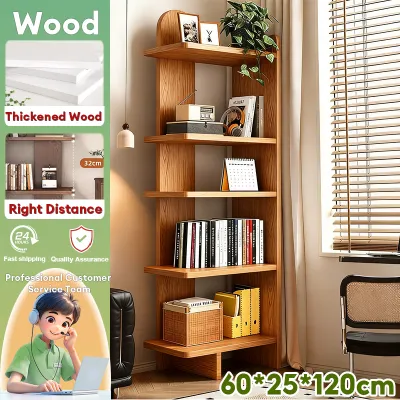
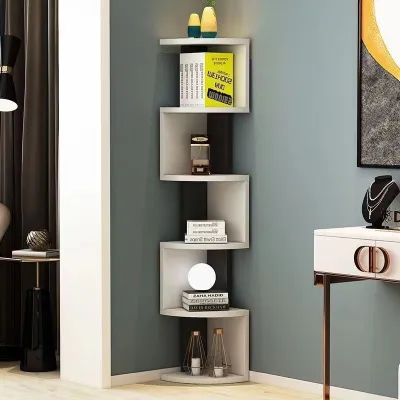
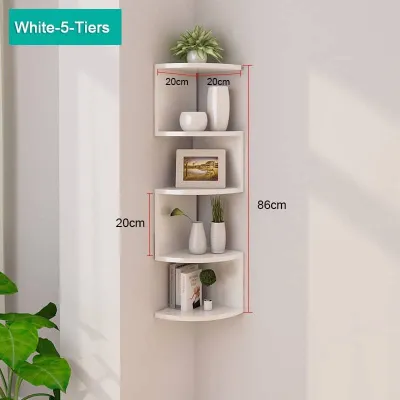
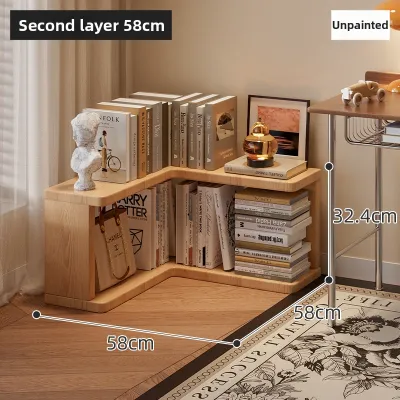
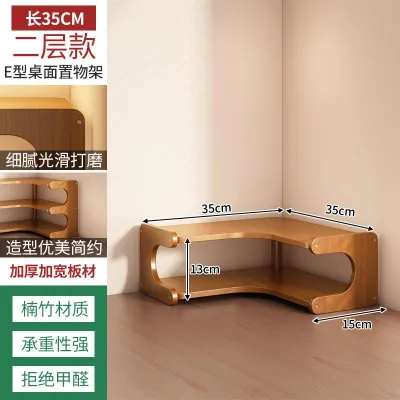
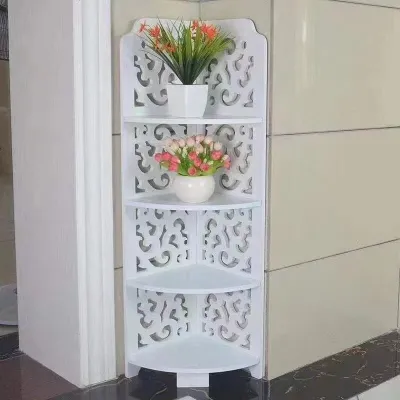
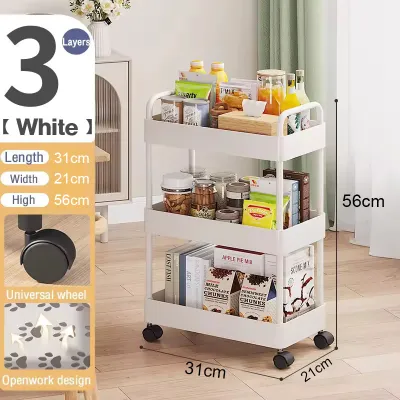
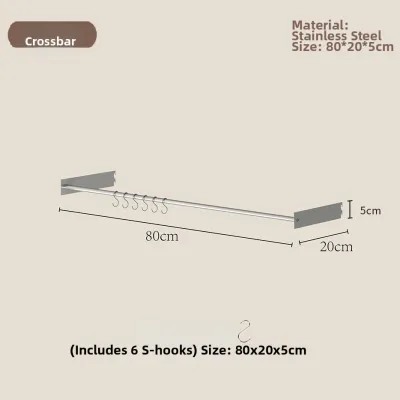
Prices are valid at publication and may change. Please refer to the product page for the latest price.
Measuring Your Corner Space and Clearance
Before browsing online marketplaces or visiting local showrooms, you must take precise measurements of your designated corner. Use a reliable measuring tape to record the depth, width, and height of the space. Do not assume your walls form a perfect 90-degree angle; measure at multiple heights to account for any structural irregularities.

Be sure to factor in permanent fixtures that might obstruct the shelf. Baseboards can prevent a flush fit against the wall, while electrical outlets, light switches, and window sills can restrict where the unit can stand. If the shelf blocks an outlet, you may lose access to essential power sources for lamps or electronics.
Clearance around the shelf is equally critical for daily comfort. Ensure there is sufficient space for walking paths, door swings, and the movement of adjacent furniture like sofas or armchairs. A shelf that sits too close to a doorway can become a constant bumping hazard.
Finally, consider the logistics of getting the product into your home. Check the packaged dimensions provided by the manufacturer against your entryways, staircases, corridors, and elevator doors. Ensuring the box can physically pass through these tight spaces prevents delivery headaches and assembly delays on arrival day.
Evaluating Weight Capacity and Tier Configuration
To ensure your corner shelf remains safe and functional, you must match its load-bearing capabilities to the items you plan to display. Always check the manufacturer’s stated weight capacity per tier, as well as the total weight limit for the entire unit. These specifications are typically found on the product label, packaging, or instruction manual.
Proper weight distribution is vital for maintaining structural balance. Place your heaviest items, such as large books, ceramic pots, or heavy electronics, on the lowest shelves. This lowers the unit’s center of gravity, making it significantly less prone to tipping. Reserve the upper tiers for lighter decorative pieces, framed photos, or small plants.
The number of tiers you choose should align with your ceiling height and the visual scale of the room. Tall units with five or more tiers utilize vertical space efficiently but can make a small room feel cramped if they are packed too tightly. Evaluate the visual balance of the room, opting for a tier configuration that offers ample storage without overwhelming the surrounding decor.
Comparing Materials and Structural Stability
When evaluating different corner shelves, look beyond basic material names like wood, metal, or engineered board. Instead, focus on the actual build quality, connection structures, and joint types. Inspect the product images or floor models for reinforced brackets, cross-bracing, and sturdy screw connections that indicate a robust frame.
Surface treatments play a major role in how well a shelf handles daily wear and environmental factors. In tropical climates with high humidity, moisture can affect unprotected surfaces. Check the manufacturer’s care labels to verify if the finish is rated for moisture resistance or if it requires specific protective coatings to prevent warping or rust over time.
The design of the base is another critical factor for overall stability. Look for units equipped with adjustable leveling feet. These allow you to compensate for uneven flooring, which is common in many homes, ensuring the shelf remains perfectly upright and stable without rocking.
Matching Design Styles to Your Living Room
A corner shelf should blend seamlessly with your existing living room aesthetic while fulfilling your storage goals. Open geometric frames offer a modern, airy feel that keeps the corner looking spacious. Enclosed ladder styles provide a more grounded, substantial look, while floating corner units free up floor space entirely, making them ideal for compact layouts.
Coordinate the shelf’s finish and color palette with your existing furniture pieces, such as your coffee table, TV console, or sofa frame. If your room features warm wood tones, look for a matching wood grain finish. For contemporary spaces, sleek black or white metal frames can create a clean, cohesive look.
Pay close attention to the visual footprint of the shelf. A massive, dark unit in a small corner can dominate the room and make it feel smaller. Choose a design that enhances your room’s aesthetics by acting as a complementary accent rather than a distracting focal point.
Installation and Safety Checks
Safe assembly is just as important as choosing the right design. Always read the manufacturer’s assembly instructions thoroughly before starting and use only the provided hardware. Substituting screws or omitting structural pins can severely compromise the shelf’s integrity.
Wall-anchoring is highly recommended for tall, narrow, or top-heavy corner shelves to prevent accidental tip-overs. Identify your wall type—such as concrete, drywall, or brick—to ensure you use the correct wall anchors and drill bits. Many manufacturers include standard anchoring kits, but you may need to purchase specialized hardware depending on your wall structure.
Once assembly is complete, perform a simple stability test by gently shaking the frame to ensure there is no wobbling. If you notice any structural instability, loose joints, or tilting, stop using the unit immediately. Do not load it with items until you have tightened all hardware or consulted a professional installer to resolve the issue.
Frequently Asked Questions (FAQ)
Can I use a freestanding corner shelf without anchoring it to the wall?
Whether you can safely use a freestanding corner shelf without wall anchors depends entirely on the unit’s height, base width, and weight distribution. However, tall or top-heavy designs generally require secure wall anchoring to prevent tipping, regardless of how heavy the base is. Always follow the manufacturer’s specific anchoring recommendations and warning labels to ensure a safe living environment.
How do I clean and maintain a corner shelf in a dusty living room?
To keep your corner shelf in top condition, always follow the specific care instructions provided on the product label for your unit’s surface finish. Use soft, non-abrasive cleaning tools like microfiber cloths to remove dust, and avoid using excess moisture or harsh chemical cleaners that could damage the protective coating. Additionally, perform periodic checks of the joints and hardware to ensure all screws remain tight and secure over time.
Community discussion
Share your experience or ask a question. Comments are reviewed before publication.