
Transforming an awkward living room corner into a functional and aesthetically pleasing space requires careful planning. When searching for a suitable corner shelves rack for your living room, it is easy to be overwhelmed by the sheer volume of options available on various e-commerce platforms and in physical stores. Rather than relying on generic rankings, this guide provides a systematic framework to help you evaluate spatial constraints, structural safety, and design compatibility. By applying these selection criteria, you can confidently identify a shelving unit that securely holds your belongings while enhancing your home’s interior.
In many Philippine homes, space is at a premium, especially in urban condominiums and traditional townhouses where living rooms serve multiple purposes. A corner shelves rack offers an excellent way to reclaim underutilized vertical space, turning a blank corner into a display for family photos, books, indoor plants, or decorative pieces. However, selecting the wrong unit can lead to a cramped layout, blocked walkways, or even safety hazards if the shelf is unstable. To make a successful purchase, you must look beyond attractive product photos and analyze how a shelf will actually fit and function within your specific living environment.
Measuring Your Corner Space and Clearance Requirements
Before browsing online marketplaces or visiting local furniture showrooms, you must obtain precise measurements of your target corner. Start by measuring the vertical height from the floor to the ceiling, as well as the width of both intersecting walls. Do not assume your walls meet at an exact 90-degree angle; older homes and rapidly constructed apartments often have slight structural variations that can prevent a rigid, pre-assembled shelf from sitting flush against the corner.
Products mentioned in this guide
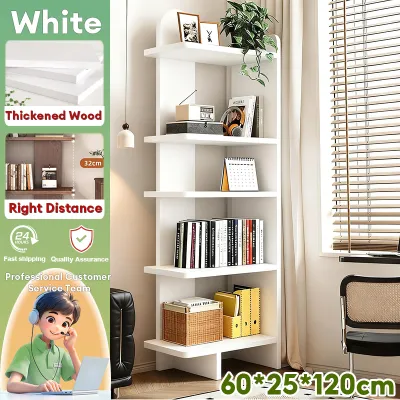
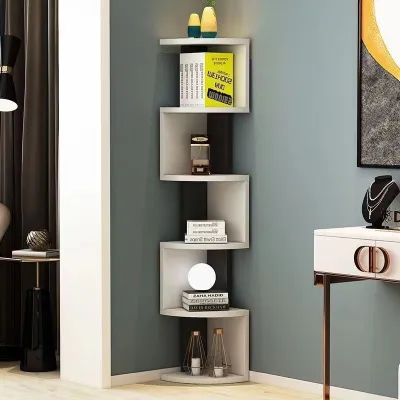
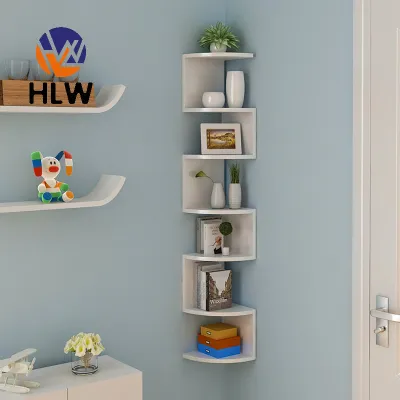
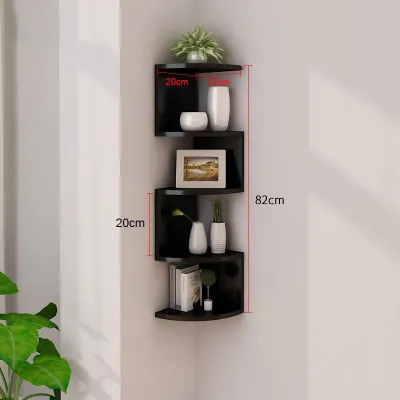
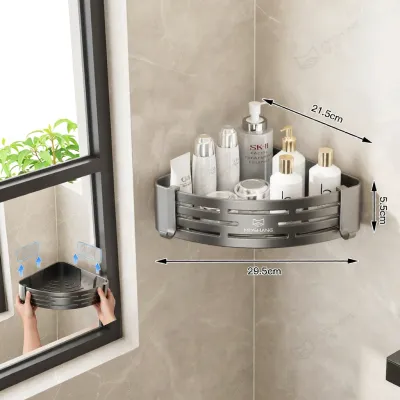
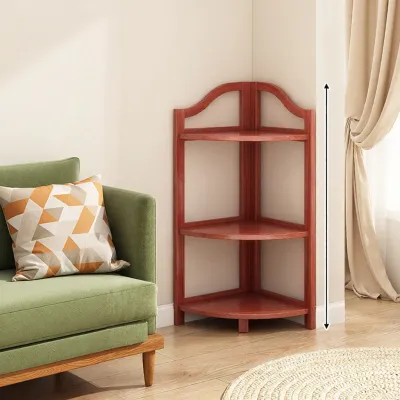
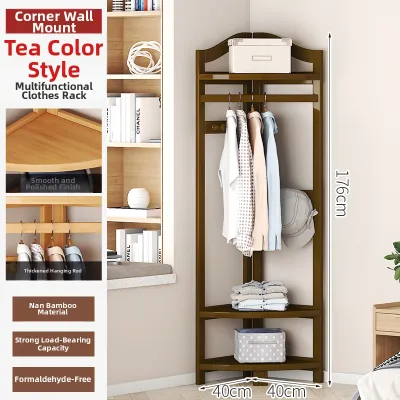
Prices are valid at publication and may change. Please refer to the product page for the latest price.
When measuring the floor area, pay close attention to fixed architectural features that might obstruct the shelf. Baseboards, electrical outlets, light switches, and wall-mounted air conditioning units can all interfere with how a corner shelf sits. For instance, if an outlet is located directly in the corner, a solid-backed shelf will block access to it, whereas an open-frame metal rack might allow you to run cords through easily. Additionally, check for nearby window frames, curtains, and door swings to ensure the shelf does not block natural light or impede the movement of doors.
Another critical step is verifying the delivery path from your building’s entrance to your living room. Many homeowners purchase beautiful, fully assembled corner units only to find they cannot fit through narrow hallways, tight stairwells, or standard elevator doors. Measure the height and width of every doorway, corridor, and elevator cabin that the delivery team or you will need to navigate. If your access routes are highly restricted, prioritizing flat-packed, modular, or easy-to-assemble corner shelves is the most practical approach.
Finalizing your measurements requires calculating safe clearance distances around the proposed shelving area to maintain a comfortable flow of foot traffic. A corner shelf that protrudes too far into a high-traffic zone can become a constant bumping hazard, particularly in busy households. Ensure there is at least 60 to 90 centimeters of clear walkway space between the outer edge of the shelf and any adjacent furniture, such as sofas, coffee tables, or television consoles. This clearance ensures that family members can move freely without having to squeeze past the unit.
Evaluating Structural Integrity and Weight Limits
A corner shelf must be structurally sound to support your belongings safely over the long term. Instead of relying on vague marketing terms like “heavy-duty” or “premium quality,” look for the manufacturer’s specified maximum weight capacity. This rating is typically divided into two categories: the maximum load limit for individual tiers and the overall weight capacity for the entire unit. Calculate the estimated weight of the items you plan to store—such as heavy hardcover books, ceramic potted plants, or glass ornaments—to ensure they do not exceed these limits.

The materials used in the construction of the shelf play a significant role in its overall stability and durability. While solid wood and powder-coated steel frames generally offer excellent structural integrity, engineered wood options like medium-density fiberboard (MDF) or particle board are also common and budget-friendly. If you choose engineered wood, inspect the product specifications to confirm the thickness of the panels and check if they feature a moisture-resistant laminate or veneer. In the humid tropical climate of the Philippines, unprotected engineered wood can absorb moisture from the air, leading to sagging, warping, or swelling over time.
Examine the connection structures and joint reinforcements of the shelving unit. High-quality corner racks utilize robust metal brackets, dowels, or cross-bracing on the back to prevent lateral swaying. If you are looking at a ladder-style or open-frame metal shelf, check if it includes adjustable leveling feet. These feet are essential for stabilizing the unit on uneven tiled floors or slightly sloped concrete surfaces, which are common in many residential properties. Avoid units that rely solely on thin glue joints or plastic connectors for load-bearing sections.
Surface treatments and care instructions are also vital indicators of how well a shelf will withstand its environment. If you plan to place the shelf near a window where it will receive direct sunlight, verify if the finish is UV-resistant to prevent fading or cracking. For shelves positioned near air conditioning vents, where temperature fluctuations can cause materials to expand and contract, look for finishes that resist moisture and temperature changes. Always follow the manufacturer’s cleaning guidelines, avoiding harsh chemical cleaners that could strip away protective sealants or paint.
Aligning Shelf Configurations With Your Storage Goals
The configuration of your corner shelf should match both your storage needs and the existing design of your living room. There are several common form factors to consider, each offering distinct advantages. L-shaped corner racks hug both walls tightly, maximizing storage capacity but presenting a larger visual footprint. Tiered ladder shelves taper toward the top, creating an airy, modern look that works well in smaller rooms. Fan-shaped units feature rounded front edges, which soften the sharp angles of a room and reduce the risk of painful bumps in tight spaces. Floating corner shelves offer a minimalist aesthetic by eliminating floor-contact entirely, though they generally support less weight.
Decide whether your storage goals are primarily decorative or functional. If you want to showcase curated items like travel souvenirs, art pieces, or small indoor plants, an open-display structure is ideal because it allows light to pass through and keeps the space looking open. However, if you need to store everyday household items, remote controls, or cables that tend to look cluttered, look for corner units that incorporate concealed storage, such as lower cabinets, drawers, or integrated baskets. A hybrid design with open upper shelves and closed lower compartments combines both benefits.
Aesthetics should not be overlooked when selecting a corner shelf. To maintain visual harmony, match the color, texture, and structural lines of the new shelf with your existing living room furniture. If your living room features a modern minimalist style with clean lines and neutral tones, a sleek black metal frame with light wood shelves will complement the space beautifully. For more traditional or rustic interiors, a rich, dark wood finish with classic molding details may be more appropriate. Pay attention to the hardware finishes as well; matching the metal accents of your shelf with your light fixtures or cabinet handles creates a cohesive, polished look.
Consider how the shelf’s design interacts with the natural and artificial light in your living room. Solid, dark-colored corner shelves can sometimes make a small room feel darker and more enclosed by casting deep shadows in the corner. If your living room has limited natural light, opting for a white, light gray, or natural wood finish can help bounce light around the room, making the space feel larger and more inviting. Glass-shelved units are another excellent option for maximizing light flow, though they require more frequent dusting to keep them looking pristine.
Finalizing Your Purchase and Ensuring Safe Installation
Once you have selected a corner shelf that meets your spatial, structural, and aesthetic requirements, there are a few final steps to take before completing your purchase. If you are buying from an online marketplace, carefully review the retailer’s return and exchange policies, especially regarding damaged or defective parts. Check if the product comes flat-packed and requires self-assembly, and verify whether all necessary assembly tools and hardware are included in the package. Some retailers offer professional assembly services for an additional fee, which can be a worthwhile investment if you lack the tools or confidence to assemble the unit yourself.
Take the time to analyze recent buyer reviews and ratings for the specific model you are considering. Look for detailed feedback regarding the ease of assembly, the accuracy of the product photos, and whether other buyers experienced issues with structural wobbling or missing hardware. Pay close attention to reviews from buyers who have owned the shelf for several months, as their feedback can provide valuable insights into the product’s long-term durability and resistance to wear and tear.
Safe installation is the most critical step in setting up your new corner shelf. Tall, narrow, or top-heavy shelving units pose a significant tipping hazard, especially in active households. Always plan to secure the shelf to the wall using the anti-tip kits, straps, or L-brackets provided by the manufacturer. Before drilling, determine your wall material; concrete, brick, drywall, and plasterboard all require different types of wall plugs and screws. If you are unsure about your wall type or if the included hardware does not match your wall structure, stop the installation immediately and consult a qualified professional or handyman.
After assembling and anchoring the shelf, perform a final stability check before placing any items on it. Gently shake the unit to ensure it is firmly secured to the wall and does not wobble. When loading the shelf, place the heaviest items, such as large books or heavy decorative bowls, on the bottom shelves to keep the center of gravity low. Lighter items, such as small photo frames or lightweight ornaments, should be reserved for the upper tiers. This thoughtful distribution of weight further enhances the stability of the unit and ensures a safe living environment for everyone in your home.
Frequently Asked Questions (FAQ)
How do I prevent a tall corner shelf from tipping over?
To prevent a tall corner shelf from tipping over, you must anchor it securely to the wall. Elevated centers of gravity make tall furniture inherently unstable, posing a serious risk of injury, particularly in households with children or pets who might climb on the shelves. Most manufacturers include anti-tip straps, cables, or metal L-brackets with the product. Ensure these brackets are installed exactly as instructed, attaching one end to the solid frame of the shelf and the other to a load-bearing wall. If you are mounting the shelf on concrete or solid masonry, use heavy-duty masonry plugs and screws. For drywall or plasterboard walls, use a stud finder to locate the wooden studs behind the wall and screw directly into them, or use high-quality toggle bolts designed for hollow walls.
Can I use a corner shelf rack to hold heavy electronics?
Standard decorative corner shelves are generally not engineered to support the concentrated weight, vibration, and heat output of heavy electronics like large televisions, gaming consoles, or heavy audio receivers. Placing heavy devices on a standard shelf can cause the shelves to sag, weaken the joints, and potentially lead to a structural failure. Before placing any electronic equipment on a corner shelf, verify the manufacturer’s specifications for explicit electronics load ratings and ensure there is adequate ventilation clearance around the devices to prevent overheating. If the product manual does not explicitly state that the shelf is rated for electronics, or if it lacks proper cable management and ventilation paths, it is highly recommended to use a dedicated media console or a specialized heavy-duty equipment rack instead.
Community discussion
Share your experience or ask a question. Comments are reviewed before publication.