
Choosing the right cube storage cabinet for your home office is more than just picking a stylish piece of furniture; it is about creating an efficient system that supports your daily workflow. In a tropical climate like the Philippines, where high humidity can affect paper documents, electronics, and wooden structures, selecting the right configuration requires careful planning. A well-thought-out setup keeps your workspace organized, protects your equipment, and maximizes your available floor area. By evaluating your specific storage items, measuring your room accurately, and understanding structural limitations, you can design a functional workspace that remains clutter-free and highly productive.
Assess Your Home Office Storage Needs
To build an effective storage system, start by cataloging every item that needs a home in your office. Home offices typically house a diverse mix of items, ranging from lightweight paper documents and heavy reference books to sensitive electronics and decorative personal touches. Group these items by size, weight, and frequency of use to understand what kind of storage environment they require. For instance, heavy reference manuals and binders need sturdy, open shelves for easy access, while loose office supplies, cables, and personal items are better suited for concealed storage.
Deciding between open display space and concealed storage is a critical step in your planning process. Open cubes are excellent for showcasing books, awards, or decorative plants that bring life to your study room. However, visible clutter can quickly become distracting during a busy workday. Integrating compatible inserts, such as pull-out drawers, cabinet doors, or fabric bins, allows you to hide messy paperwork, charging cables, and stationery. This hybrid approach keeps your office looking neat and professional, especially during video conferences where your background is visible.
Products mentioned in this guide
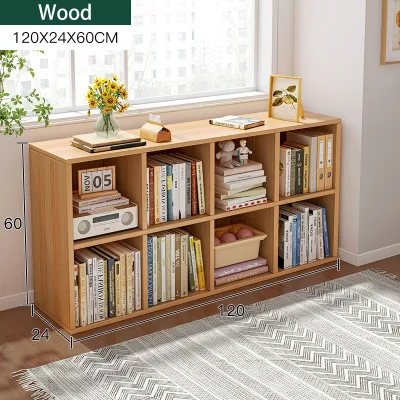
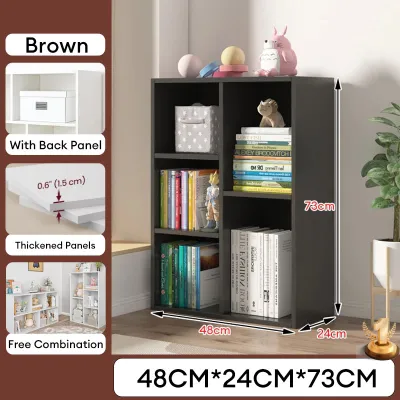
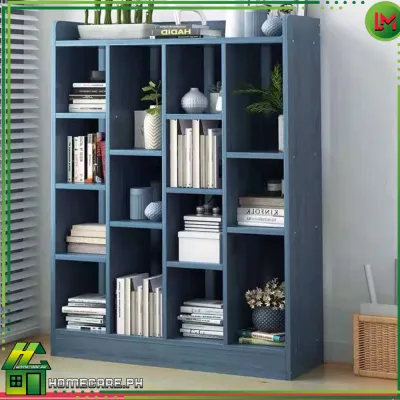
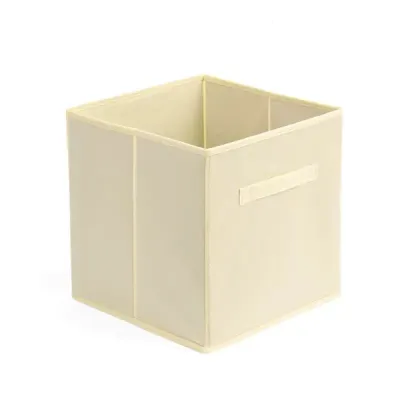
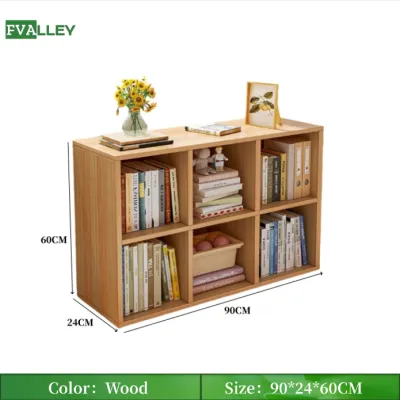
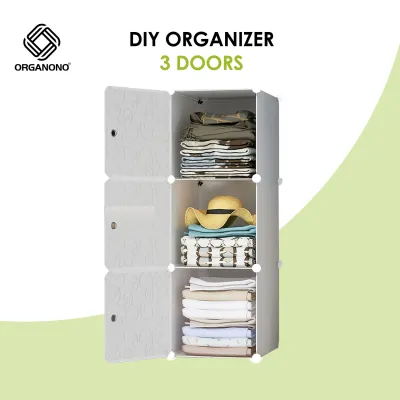
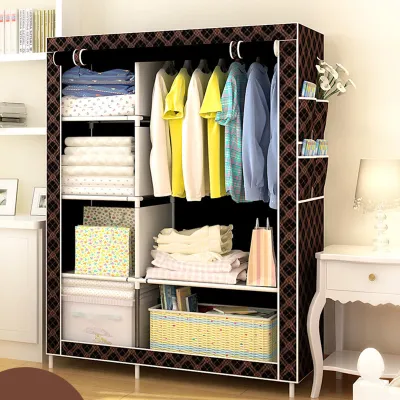
Prices are valid at publication and may change. Please refer to the product page for the latest price.
Once you have categorized your belongings, estimate the total volume of your items to calculate the minimum number of cubes required. A common mistake is choosing a cabinet that only fits your current inventory, leaving no room for future growth. If you plan to store standard storage bins, count how many you need and ensure you select a grid configuration that accommodates them comfortably. Planning for roughly twenty percent more storage space than you currently need will prevent your shelves from becoming overcrowded as your professional library and equipment collection expand over time.
Measure and Plan Your Available Floor Space
Before purchasing any furniture, you must accurately measure your designated floor area to ensure a seamless fit. Use a reliable measuring tape to record the width, depth, and height of the space where the cabinet will stand. Do not rely on visual estimates, as even a few centimeters of discrepancy can prevent a cabinet from fitting into a tight corner. Be sure to account for baseboards, which can push the back of the cabinet away from the wall, as well as electrical outlets that must remain accessible for your computer, printer, and desk lamp.

Vertical clearance is equally important, particularly if you plan to place the cube storage cabinet under a window, beneath a sloped ceiling, or near wall-mounted light fixtures. If you opt for a tall vertical layout, ensure it does not block natural light or interfere with air conditioning units and ceiling fans, which are vital for maintaining air circulation in warm tropical rooms. Additionally, check the height of light switches and thermostat controls to ensure they remain completely unobstructed and easy to reach.
Finally, verify the pathway widths and clearance zones around your desk and chair. A home office must remain highly functional, meaning you should be able to roll your office chair back, open desk drawers, and walk through the room without bumping into the storage unit. Leave a comfortable clearance zone of at least 75 to 90 centimeters between the cabinet and your desk. This ensures that even in smaller spare rooms or converted corner offices, the space feels open, comfortable, and conducive to long hours of focused work.
Select Cube Dimensions and Grid Layouts
Cube storage cabinets come in various sizes, so matching the internal dimensions of the individual cubes to your largest items is essential. Standard cubes often measure around 30 by 30 centimeters, which is ideal for standard novels, small storage baskets, and basic office supplies. However, if you need to store large ring binders, legal-sized documents, or specialized equipment, you will need to look for larger configurations, such as 33-centimeter or 38-centimeter cubes. Measure your largest items beforehand to ensure they can be placed inside and retrieved easily without forcing or bending.
The choice between a horizontal and a vertical grid layout depends heavily on your room’s layout and your storage priorities. A horizontal layout, such as a two-by-four grid placed on its side, offers a low profile that can double as a credenza or a printer stand. This setup keeps the room feeling spacious and allows you to utilize the top surface for active projects or office machinery. Conversely, a vertical layout, like a four-by-two or a five-by-five tower, maximizes vertical wall space, making it an excellent choice for compact rooms where floor space is at a premium.
If you anticipate that your professional needs or living arrangements might change, consider investing in modular or expandable configurations. Some systems allow you to stack individual units or connect them side-by-side as your storage requirements grow. This flexibility is particularly useful if you transition from a part-time remote work setup to a full-time home business. Choosing a modular system ensures that your initial investment remains useful, allowing you to adapt your office layout without needing to purchase entirely new furniture.
Verify Stability, Weight Capacity, and Assembly Requirements
Ensuring the structural safety of your cube storage cabinet is paramount, especially when storing heavy books, files, or electronics. Always check the manufacturer’s specified weight capacity for both the individual cubes and the overall unit. Overloading shelves can lead to sagging, joint separation, or structural failure over time. To maintain stability, place your heaviest items, such as thick manuals, printers, or paper reams, in the bottom row of cubes. This lowers the unit’s center of gravity and reduces the risk of accidental tipping.
For tall or vertically oriented layouts, installing an anti-tip kit is a critical safety measure. Many manufacturers include wall-anchoring hardware with their units, which secures the cabinet firmly to the wall studs or masonry. In regions prone to seismic activity or in homes with active pets and young children, anchoring your furniture is non-negotiable. Before assembly, inspect your wall type to determine if you need specialized wall plugs or heavy-duty anchors, ensuring the cabinet remains securely in place under all conditions.
Lastly, confirm the assembly conditions and delivery logistics before making your final decision. Review the required tools listed in the product manual, as some units may require a power drill, a hammer, or specific screwdrivers that you need to prepare in advance. Additionally, verify the packaged dimensions of the flat-pack boxes to ensure they can easily pass through your home’s doorways, narrow hallways, and staircases. Taking these precautions beforehand guarantees a smooth, stress-free installation process, allowing you to enjoy your newly organized home office right away.
Frequently Asked Questions (FAQ)
Can I combine different cube storage cabinets to create a custom wall unit?
Yes, you can combine multiple cube storage cabinets to create a larger, customized wall unit, provided you take the necessary safety precautions. When placing units side-by-side or stacking them, ensure they are perfectly aligned and resting on a completely level floor. Use specialized furniture joining brackets to secure the individual units to one another, preventing them from shifting or sliding apart. Most importantly, any stacked configuration must be securely anchored to the wall using heavy-duty anti-tip hardware to ensure the entire structure remains stable and safe.
What should I look for in a cube storage cabinet if I plan to use fabric bins?
If you plan to use fabric bins, pay close attention to the interior dimensions of the cubes and the quality of the cabinet’s finish. Even a minor discrepancy of half a centimeter can make fabric bins difficult to slide in and out, leading to premature wear and tear. Look for cabinets with smooth, well-finished interior edges and flush joints to prevent the fabric from snagging or tearing over time. Additionally, choosing bins with sturdy pull handles will make accessing your stored items much easier and keep your office looking neat.
Community discussion
Share your experience or ask a question. Comments are reviewed before publication.