
Selecting the right display rack divider for your home office shelves requires balancing the physical limits of your shelving unit with the specific items you need to organize. The right choice keeps your reference books upright, protects delicate decor, and maximizes vertical space without damaging your furniture. To find the right match, you must evaluate your shelf dimensions, compare material properties, and select a mounting style that aligns with your daily workflow.
Assess Your Shelf Dimensions and Item Weight
Before purchasing any organizing accessories, take precise measurements of your shelving unit. Use a reliable measuring tape to record the internal depth, height, and usable width of each shelf. Knowing the exact clearance height prevents you from buying dividers that are too tall to slide into the cabinet or too short to support your tallest binders. Additionally, inspect the shelf material. Solid wood and metal shelves can support heavier dividers and dense book loads, whereas particleboard or medium-density fiberboard (MDF) shelves may sag under excessive weight, especially in humid tropical climates where moisture weakens composite wood fibers over time.
Next, categorize the items you plan to store. Heavy reference manuals, legal binders, and thick catalogs exert significant lateral pressure on dividers, requiring robust support systems. Conversely, lightweight items like paper notebooks, envelopes, and small decorative plants require minimal structural support. Check the manufacturer’s specified weight capacity for your shelving unit. If you have adjustable shelves supported by small metal or plastic pegs, keep in mind that unevenly distributed weight can cause the shelf to tilt or slip. Fixed shelves offer more structural rigidity but limit the height of the dividers you can install.
Products mentioned in this guide
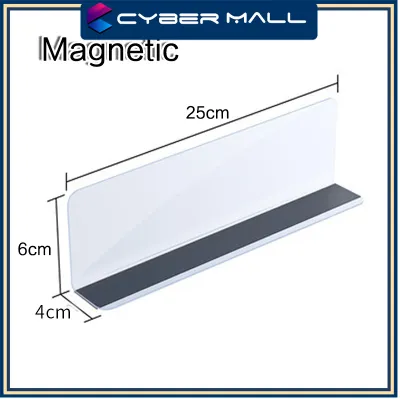
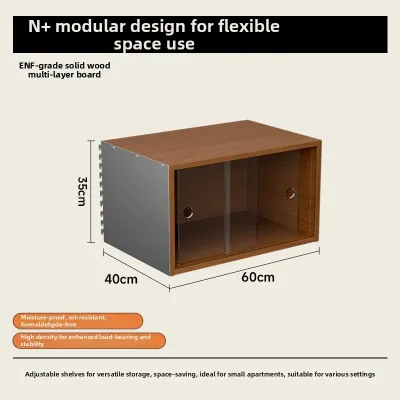
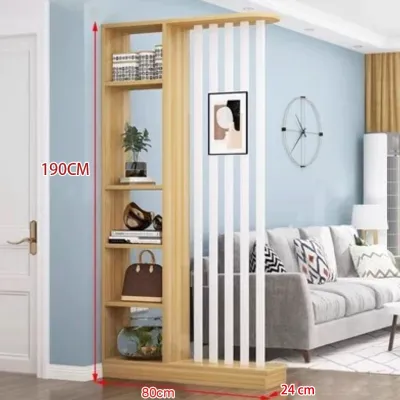
Prices are valid at publication and may change. Please refer to the product page for the latest price.
Do not forget to measure the thickness of the shelf board itself. This measurement is critical if you plan to use clip-on dividers, which rely on a snug fit to remain upright. A shelf that is too thick will prevent the clip from sliding on, while a shelf that is too thin will leave the divider loose and prone to tipping. Also, check if your shelves have a closed back or are open-backed, as open shelves require dividers with secure bases to prevent items from sliding off the rear edge.
Evaluate Divider Materials and Mounting Styles
Display rack dividers come in several materials, each offering distinct functional and aesthetic characteristics. Acrylic dividers are highly popular for modern home offices because their transparency maintains an open, uncluttered look, allowing you to see book spines and decorative items clearly. However, acrylic can scratch easily if dragged across rough surfaces, so look for options with polished edges. Metal dividers, typically made of steel or aluminum, offer exceptional load-bearing capacity and thin profiles that save valuable shelf space. In humid environments, ensure any metal divider features a powder-coated or rust-resistant finish to prevent corrosion. Wood dividers provide a classic, high-end aesthetic that complements traditional wooden bookcases, but they tend to be bulkier and heavier. Plastic dividers are lightweight and cost-effective, though they may flex or warp under heavy loads.

The mounting style determines how securely the divider stays in place and how easily you can reconfigure your layout. Freestanding dividers sit directly on the shelf surface without permanent attachment, making them incredibly easy to move when your storage needs change. Clip-on dividers slide directly onto the front or back edge of the shelf; you must measure your shelf thickness carefully, as most clips are designed for standard thicknesses like 15mm to 22mm. Adhesive-mounted dividers use double-sided tape to stick to the shelf surface, providing a secure hold but risking damage to paint, veneer, or wood finishes upon removal. Slotted dividers require specialized shelves with pre-cut grooves, offering a highly stable and integrated look but zero flexibility if you change shelving units.
Consider the structural shape of the divider as well. L-shaped dividers use the weight of the items placed on their flat base to anchor themselves in place, making them highly efficient for books and files. T-shaped dividers feature a central vertical partition with base wings extending on both sides, which is excellent for dividing a long shelf into equal sections. Base-weighted dividers rely on their own heavy construction to resist tipping, while traditional bookend-style dividers work in pairs to sandwich items from both ends.
Select the Right Divider for Your Office Items
Matching the divider to the specific items in your home office prevents organizational failure and protects your belongings. For heavy items like hardcover textbooks, professional manuals, and fully packed binders, prioritize structural strength. Opt for metal L-shaped dividers or heavy wood bookends with non-slip rubber pads on the bottom. The non-slip backing prevents the divider from sliding outward under the heavy lateral pressure of leaning books.
For light and mixed items, such as spiral notebooks, loose folders, and small office supplies, flexibility is key. Clear acrylic clip-on dividers or lightweight plastic freestanding units allow you to quickly adjust the width of each section as your project files expand or contract. These materials keep your workspace looking neat and organized without adding unnecessary weight to your shelving unit.
If you collect fragile decor, ceramic mugs, or valuable electronics on your office shelves, safety is the primary concern. Choose dividers with rounded, padded edges or those lined with soft felt contact surfaces. Avoid sharp metal dividers that could scratch delicate finishes. Placing a soft-surfaced divider between your tech gear and hardbound books ensures that items remain upright without suffering cosmetic damage from friction.
For mixed-media setups where you store tablets, charging cables, and notebooks together, consider multi-slot dividers. These units feature several closely spaced slots that keep thin items upright and separated, preventing them from sliding into a messy pile. This setup is particularly useful for maintaining a clean desk-side shelf where active work documents are kept.
Verify Installation Safety and Shelf Compatibility
Before installing any divider, cross-reference the manufacturer’s installation instructions with your shelf material to prevent accidental damage. For example, never use tight metal clip-on dividers on glass shelves, as the concentrated pressure can easily shatter or chip the glass. If you have delicate wood veneers or painted shelves, avoid adhesive mounts or tight-fitting clips that can peel away the finish when removed or adjusted.
Always check the center of gravity and overall stability of your setup. Once the dividers are in place, gently push against them to simulate the lateral pressure of leaning books. If the divider tips over easily or slides across the shelf, it is not suitable for that specific load. Ensure that the weight is distributed evenly across the shelf rather than concentrated in one spot, which helps maintain the structural integrity of the entire shelving unit.
Routine maintenance keeps your dividers looking professional and functioning safely. Dust acrylic dividers with a soft microfiber cloth to prevent fine scratches, and avoid using harsh chemical cleaners that can cause the plastic to cloud or crack. Periodically inspect metal dividers for any signs of paint chipping or rust, especially if your home office is located in a high-humidity area. Tighten any loose screws on adjustable or slotted dividers to ensure they remain rigid and secure over time.
Frequently Asked Questions (FAQ)
Can I use display rack dividers on glass shelves?
Yes, but you must select the correct type to avoid breaking the glass. Avoid clip-on or clamp-on dividers that exert direct mechanical pressure on the edges of the glass. Instead, opt for lightweight, freestanding acrylic or plastic dividers with soft silicone or rubber feet. These feet distribute the weight evenly, prevent sliding, and cushion the contact point between the divider and the glass surface.
How do I prevent acrylic dividers from scratching my wooden shelves?
To protect wooden shelves from scratches, apply small, self-adhesive felt pads or clear silicone bumper dots to the underside of the acrylic divider’s base. This creates a soft barrier between the hard plastic and the wood finish. When adjusting or moving the divider, always lift it completely off the shelf rather than sliding it across the wood grain.
Are adjustable dividers better than fixed ones for a home office?
Adjustable dividers are generally better for a home office because your storage needs change as projects evolve. They allow you to easily resize compartments for different book sizes, binders, or equipment. Fixed dividers are only preferable if you have a permanent, unchanging collection of books of identical size and require maximum structural rigidity.

Community discussion
Share your experience or ask a question. Comments are reviewed before publication.