
Choosing the right double deck bed for a small condo bedroom requires balancing the physical footprint of the frame against the room’s clearances, ceiling height, and traffic flow. The ideal choice matches standard mattress sizes with a frame configuration and ladder type that leaves enough room for doors to swing, air to circulate, and users to move safely. By measuring carefully and selecting the right layout, you can maximize your limited floor area without making your sleeping space feel cramped or dark.
In high-density urban areas where condo units often feature compact layouts, vertical space is your most valuable asset. A double deck bed is an excellent solution for shared kids’ rooms, guest rooms, or rental properties, but a hasty purchase can easily block essential pathways or create safety hazards. Taking a systematic approach to measuring, selecting, and placing your bed ensures a comfortable and functional bedroom environment.
Assessing Your Bedroom Layout and Clearances
Before browsing designs, you must establish the maximum allowable footprint for the bed frame. Start by measuring the exact floor area of the bedroom using a steel tape measure. Map out the entire room on paper, noting the location of electrical outlets, light switches, and wall-mounted fixtures. This prevents placing a large frame directly in front of a light switch or blocking access to power outlets that you need for daily use.
Products mentioned in this guide
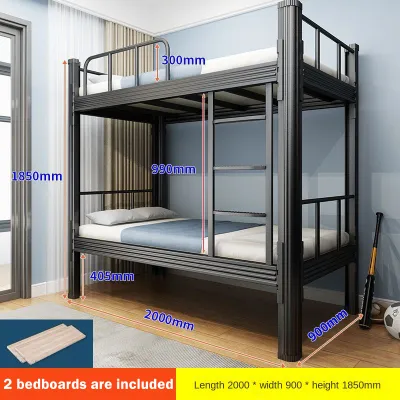
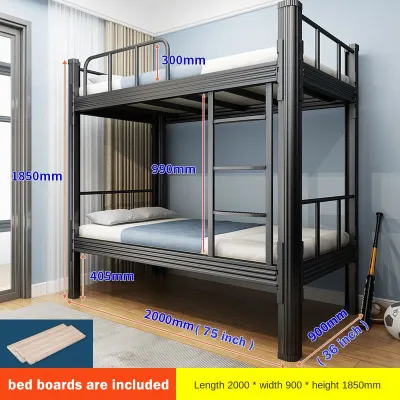
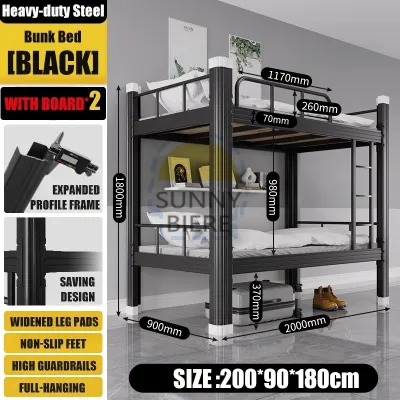
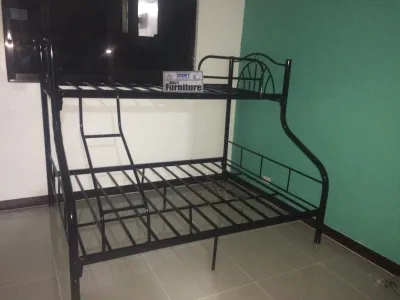
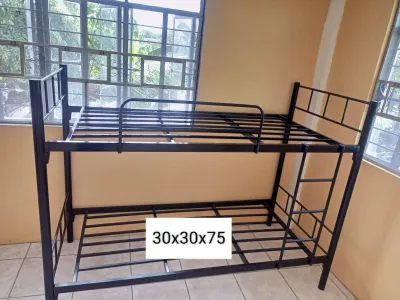
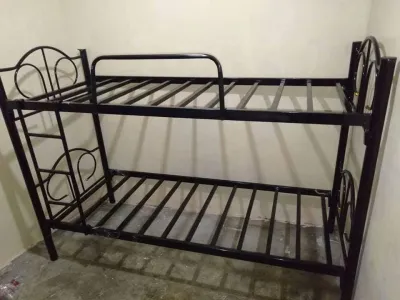

Prices are valid at publication and may change. Please refer to the product page for the latest price.
Next, account for all door swings and functional clearances. Measure the swing path of the bedroom entry door, wardrobe doors, and any windows. A double deck bed must not obstruct these paths. If your condo has built-in wardrobes with hinged doors, ensure there is enough clearance to open them fully without hitting the bed frame. If space is exceptionally tight, you might need to consider sliding wardrobe doors or positioning the bed along an opposite wall.
Vertical clearance is equally critical in condo bedrooms, which often have lower ceilings. Measure the height from the floor to the ceiling, and note the position of any ceiling fans, light fixtures, or wall-mounted air conditioning units. The top bunk user needs enough headroom to sit up comfortably without risk of bumping their head. As a general rule, verify that the distance between the top of the upper mattress and the ceiling allows for comfortable movement.
Finally, plan the pathway and traffic flow around the bed. Ensure that the remaining walkway allows for comfortable passage through the room. The bed should never block natural light from windows or restrict access to emergency exits and balcony doors. Proper airflow is also essential in tropical climates, so position the bed to allow air from windows or air conditioning units to circulate freely throughout the room.
Selecting the Right Mattress and Frame Dimensions
Matching standard mattress sizes to your measured room footprint is the next step. In the Philippines, standard mattress sizes typically include Single (36 inches by 75 inches) and Super Single (42 inches by 75 inches), ranging up to Double (54 inches by 75 inches). Compare these standard widths against your available floor space to determine which size fits comfortably without swallowing the entire room.

Always check the outer frame dimensions of the bed, as the actual frame is invariably larger than the mattress size. A wooden frame might add several centimeters to both the width and length due to posts, headboards, and footboards. Metal frames may have a slimmer profile but still extend beyond the mattress boundaries. Always refer to the manufacturer’s specification sheet for the total assembled outer dimensions rather than relying solely on the mattress size.
Evaluate the length options carefully, especially if you are placing the bed along a short wall. Standard mattress lengths are typically 75 inches (approximately 190 centimeters). If your room has limited wall space, even a few extra centimeters of frame overhang can prevent the bed from fitting into a designated alcove or block a doorway. Measure twice to ensure the total frame length fits comfortably within your target wall space.
Choosing the Ladder Type and Safety Features
The design of the ladder significantly impacts both the usable floor space in your bedroom and the ease of accessing the top bunk. You will generally choose from three primary ladder configurations:
- Straight or Vertical Ladders: These are attached directly to the side of the bed frame, flush with the structure. They consume zero extra floor space, making them the ideal choice for ultra-tight condo rooms, though they require a vertical climb.
- Angled Ladders: These lean outward from the bed frame to the floor. While they are easier and more comfortable to climb, they extend into the room's walking path and consume valuable floor area.
- Built-in Staircase Ladders: These feature actual steps, often with integrated storage drawers built into each step. They offer the easiest and safest climb but have the largest footprint, which may not fit in a compact condo layout.
Safety features must be verified before making a final decision. Check the height of the safety guardrails on the top bunk to ensure they extend sufficiently above the top of the mattress. If you plan to use a thick mattress on the top bunk, ensure the remaining guardrail height still provides adequate protection against accidental falls. Additionally, check that the gaps between the guardrail slats are narrow enough to prevent accidental slips.
Always check the manufacturer’s product label for the maximum weight capacity of both the top and bottom bunks. Frame stability is paramount, so look for sturdy joint construction and anchoring options. In areas prone to seismic activity or simply for peace of mind, anchoring the bed frame directly to a solid concrete wall can prevent tipping and minimize wobbling during use.
Evaluating Configurations and Built-in Storage
Double deck beds come in various configurations that can either solve your storage issues or contribute to visual clutter. Under-bed storage drawers are excellent for keeping extra linens, pillows, or seasonal clothing organized. However, you must verify that there is enough floor clearance to pull these drawers out fully. In high-humidity tropical climates, ensure that any under-bed storage has proper ventilation to prevent mold and mildew from developing on stored fabrics.
If you need the bedroom to serve multiple purposes, consider loft-style or L-shaped configurations. A loft bed elevates the sleeping platform, leaving the space underneath completely open for a study desk, a small wardrobe, or a cozy seating area. L-shaped double decks position the bottom bunk perpendicular to the top bunk, which requires more floor area but can fit neatly into a corner while offering a less enclosed feeling for the bottom sleeper.
Be mindful of the visual weight of the bed frame. Heavy, dark wood frames with massive built-in storage units can make a small condo bedroom feel dark and cramped. To maintain an airy, spacious feel, opt for frames with clean lines, open designs, and lighter finishes. Metal frames or light-colored wood can help reflect light and make the room appear larger than it actually is.
Common Sizing and Placement Mistakes to Avoid
One of the most common mistakes is ignoring the outer frame dimensions and only measuring for the mattress size. This often results in a bed that is too tight for the room, blocking wardrobe doors or extending past door frames. Always use the total assembled dimensions provided by the manufacturer when planning your layout.
Another frequent error is placing the bed too close to ceiling fixtures. Positioning the top bunk directly under or adjacent to a ceiling fan, light fixture, or air conditioning unit is a serious safety hazard. Ensure there is a safe distance between the top bunk and any moving parts or heat-emitting bulbs, and position the bed so that air conditioning airflow is comfortable rather than blowing directly onto the sleeper’s face.
Finally, do not overlook the physical space required to assemble the frame inside your condo. Condo elevators, narrow hallways, and tight doorways can make transporting a fully assembled or large flat-pack bed frame incredibly difficult. Verify the delivery box dimensions beforehand, and ensure you have enough physical space inside the bedroom to maneuver tools and assemble the frame safely.
Frequently Asked Questions (FAQ)
Can I use a double deck bed in a room with a low ceiling?
Yes, you can use a double deck bed in a room with a low ceiling, but you must calculate your vertical clearances with extra care. Measure the total height from the floor to the ceiling, then subtract the height of the bed frame’s top platform and the thickness of your chosen mattress. The remaining space must allow the top bunk user to sit upright comfortably without hitting their head. If your ceiling is particularly low, look for low-profile double deck frames or low loft beds designed specifically for tighter vertical spaces.
Is it better to buy a ready-made or custom-built double deck bed for a small condo?
Ready-made double deck beds are generally more budget-friendly, readily available for quick delivery, and easier to disassemble if you plan to move to a new home in the future. However, if your condo bedroom features awkward alcoves, structural pillars, or highly specific dimensions, a custom-built frame can maximize every square inch of your space. Weigh the higher cost and longer production lead times of custom carpentry against the convenience and immediate availability of standard retail options.

Community discussion
Share your experience or ask a question. Comments are reviewed before publication.