
Selecting the right ergonomic study chair for your daughter’s back-to-school desk setup requires balancing precise body measurements, mechanical adjustability, and climate-appropriate materials. Rather than picking a generic seat based solely on aesthetics or favorite colors, the ideal chair must adapt specifically to her current physical proportions to support a developing spine. Finding a properly scaled chair for kids girl setups ensures that she can study comfortably without slouching, fidgeting, or experiencing premature fatigue during long homework sessions.
A child’s physical needs differ significantly from those of an adult. While an adult-sized chair might seem like a convenient long-term purchase, it often causes ergonomic issues that affect concentration and physical health. By focusing on targeted back support and proper alignment, you can create a dedicated learning space that fosters productivity and healthy physical development.
Why Ergonomics Matter for a Growing Girl's Study Posture
Children spend a significant portion of their day sitting, whether they are attending online classes, completing homework, or engaging in creative hobbies. During these formative years, their bones and muscles are growing rapidly, making them highly susceptible to the physical strains of prolonged sitting. Standard adult chairs are designed for larger skeletal frames; when a young girl sits in one, her feet typically dangle, her knees press against the hard edge of the seat pan, and her lower back is left unsupported.
Products mentioned in this guide
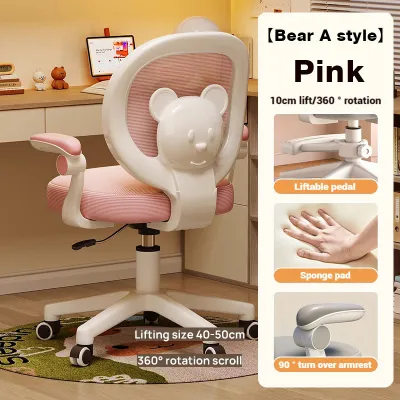
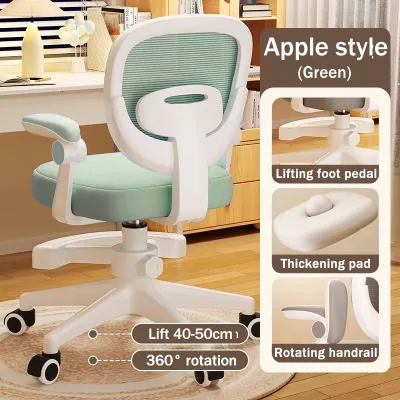
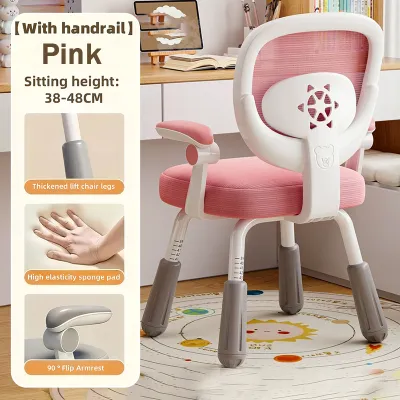

Prices are valid at publication and may change. Please refer to the product page for the latest price.
To compensate for this lack of support, children naturally slouch forward or lean to one side, placing immense strain on their developing spines and neck muscles. Over time, these poor posture habits can lead to chronic back pain, shoulder tension, and reduced lung capacity due to a hunched chest. Investing in a properly proportioned chair for kids girl setups addresses these developmental needs directly, providing the necessary lumbar support and encouraging active, upright sitting. By ensuring her body is correctly aligned, you not only protect her physical health but also improve her focus, as physical discomfort is one of the primary drivers of restlessness and distraction during study hours.
Step 1: Measure Your Child and Her Current Desk
Before browsing online catalogs or visiting local furniture showrooms, you must gather precise measurements of both your child and her existing study space. Relying on age recommendations is rarely sufficient, as children grow at vastly different rates. To begin, have your daughter sit on a flat surface with her knees bent at a 90-degree angle and use a flexible measuring tape to record her popliteal height, which is the distance from the floor to the crease behind her knee. This measurement represents her ideal seat height and will guide you in choosing a chair with a compatible adjustment range.

Next, measure her thigh length—specifically the distance from the back of her pelvis to the back of her knee. This measurement determines the maximum seat depth she requires; if the seat pan is too deep, she will be unable to sit all the way back to utilize the lumbar support without the edge of the seat digging into the back of her knees. Once you have her personal measurements, turn your attention to the study environment. Measure the finished dimensions of her desk, focusing on the height of the desktop and the clear height of the opening underneath it.
You must ensure that the chair’s armrests and overall frame can slide completely under the desk when not in use, which is especially important in compact bedrooms or shared study corners. Consider the available space in the room and verify that there is enough clearance for her to pull the chair out and sit down comfortably without hitting nearby walls or furniture. If you live in an apartment or a multi-story home, also check the doorway and lift access dimensions to guarantee that the fully assembled chair can be easily delivered and moved into the room. Additionally, take note of the flooring in her study corner; if you plan to use a thick protective desk mat or a decorative rug, factor in its thickness, as it can slightly alter the final seating height and affect how smoothly the chair’s wheels glide.
Step 2: Check the Essential Ergonomic Adjustments
Adjustability is the absolute hallmark of a true ergonomic chair. Because children grow rapidly, a static chair that fits perfectly today may become uncomfortable and unsupportive within a few months. When evaluating different chair models, prioritize those that offer a wide range of mechanical adjustments, allowing the chair to evolve alongside your daughter’s changing proportions.
Adjustable Seat Height and Depth
The ability to adjust the seat height is fundamental to achieving proper posture. The chair’s gas lift or mechanical adjustment mechanism should allow the seat to be lowered or raised until your daughter’s feet rest completely flat on the floor or a dedicated footrest, with her knees bent at a clean 90-degree angle. If the seat is adjusted too high, her legs will dangle, putting pressure on the undersides of her thighs and restricting blood circulation. Conversely, if the seat is too low, her knees will be positioned higher than her hips, tilting her pelvis backward and forcing her lower spine into a slouched position.
Seat depth adjustment is equally critical but often overlooked in children’s furniture. A high-quality ergonomic chair should allow you to slide the seat pan forward or backward, or feature a naturally short seat depth designed specifically for kids. When she sits with her lower back firmly against the backrest, there should be a gap of approximately two to three fingers (about 3 to 5 centimeters) between the front edge of the seat cushion and the back of her knees. This gap ensures that the seat does not compress the sensitive blood vessels and nerves in her popliteal area, preventing leg numbness and discomfort during extended study sessions.
Backrest Curve and Lumbar Support
A flat, rigid backrest is highly detrimental to a child’s posture because it fails to support the spine’s natural curvature. Look for a chair with a backrest that mimics the gentle S-curve of a healthy spine, providing continuous support from the upper shoulders down to the lower back. The lumbar support area should curve slightly forward to nestle into the small of her back, maintaining the natural inward curve of her lower spine.
Ideally, the lumbar support should be height-adjustable, allowing you to position the supportive curve precisely where her lower back requires it as she grows taller. Proper lumbar support prevents the pelvis from tilting backward when she leans back, which is the primary cause of slouching. By keeping her spine in neutral alignment, the backrest reduces the workload on her back muscles, allowing her to sit upright comfortably for longer periods without experiencing muscle fatigue.
Footrests and Armrests
In many homes in the Philippines, children use standard adult-sized desks that stand around 75 centimeters high. If you pair a child-sized chair with a standard desk, you will likely need to raise the seat height significantly so she can reach the desk surface comfortably. When this happens, her feet will no longer reach the floor. To solve this, look for a chair equipped with a built-in, height-adjustable footring or a stable, detachable footrest. This provides a solid platform for her feet, preventing dangling and maintaining the essential 90-degree angle at her knees.
Armrests are another important consideration; they should ideally be height-adjustable or designed to fold away entirely. When adjusted correctly, armrests support the weight of her arms, reducing strain on her shoulders and neck. However, if the armrests are fixed and too high, they will collide with the desk edge, forcing her to sit too far away from her books or computer. This gap causes her to lean forward, completely defeating the purpose of the ergonomic backrest. If adjustable armrests are not available, choosing a model with removable armrests is often the best solution to ensure she can sit close to her work.
Step 3: Evaluate Materials and Stability for Daily Use
When selecting a chair for daily use, you must carefully evaluate the build quality, material composition, and overall stability of the frame. In the warm and humid tropical climate of the Philippines, material selection directly impacts daily comfort. Solid plastic seats or heavy faux-leather upholstery can trap heat and sweat, leading to discomfort and skin irritation during long study sessions. A breathable mesh backrest is highly recommended, as it allows air to circulate freely, keeping your daughter cool and comfortable even during warm afternoons.
For the seat cushion, look for high-density molded foam rather than soft, plush padding. While a very soft cushion might feel comfortable initially, low-density foam quickly bottoms out under weight, leaving her sitting on the hard structural frame of the chair. High-density foam retains its shape, distributes weight evenly, and provides firm, consistent support over years of use. Beyond comfort, pay close attention to the structural joints and finishes. Inspect the chair’s base and connection points; metal or reinforced nylon components are far more durable than thin, brittle plastics.
Stability is also a critical safety factor, especially for younger children who may fidget or shift their weight suddenly. Look for a chair with a wide, weighted 5-star base that provides a low center of gravity to prevent tip-over accidents. Check the manufacturer’s specified load capacity to ensure the chair can easily support her weight and remain stable even when she leans back. Finally, verify that the chair’s casters are suitable for your specific flooring. If her study corner features hardwood, laminate, or ceramic tiles, choose non-scratching polyurethane (PU) wheels to protect the floor’s finish. For carpeted areas, standard hard nylon casters are acceptable. Always review the manufacturer’s care instructions to ensure the materials can be easily cleaned and maintained in a humid environment.
Step 4: Verify the Fit Using the 90-90-90 Posture Rule
Once the chair is delivered and assembled in your home, you must verify the fit to ensure all ergonomic adjustments are set correctly. The most reliable method for testing the setup is the 90-90-90 posture rule. Have your daughter sit all the way back in the chair, with her spine resting firmly against the backrest. Adjust the seat height (or the footrest) until her feet are flat, creating a 90-degree angle at her ankles. Her knees should also be bent at a 90-degree angle, with her thighs resting parallel to the floor. Finally, her hips should be positioned at a 90- to 100-degree angle, ensuring her pelvis remains upright and neutral.
Next, observe her upper body. Her shoulders should be relaxed and down, not hunched upward toward her ears when her forearms rest on the desk surface. If her shoulders are raised, the desk is too high or the chair is too low. Her elbows should rest at a comfortable 90-degree angle, close to her sides. Additionally, check her eye alignment; the top third of her computer monitor or her book stand should be at eye level, encouraging her to keep her head upright rather than tilting her neck downward.
To ensure the setup is truly comfortable for daily use, have your daughter sit in the fully adjusted chair for 10 to 15 minutes while she completes a light task, such as reading a book or drawing. During this time, quietly observe her behavior. If you notice her sliding forward, crossing her legs, resting her chin on her hand, or fidgeting constantly, it indicates that the chair’s settings are not yet optimized or that the chair is not providing adequate support. Make incremental adjustments to the seat height, depth, or lumbar support until she can maintain the 90-90-90 posture naturally and comfortably.
Common Mistakes to Avoid When Buying a Kids' Chair
One of the most common mistakes parents make is purchasing an adult-sized chair with the expectation that their daughter will “grow into” it over time. While this approach might seem economical, it immediately compromises her current posture and safety. An oversized chair will prevent her from reaching the backrest while keeping her feet supported, forcing her to choose between dangling her legs or sitting on the edge of the seat without any lumbar support. This defeats the entire purpose of investing in an ergonomic setup.
Another frequent pitfall is prioritizing aesthetics, such as bright pastel colors, cartoon character themes, or cute novelty shapes, over functional adjustability and structural integrity. While it is important to include your daughter in the selection process to ensure she likes her study space, a visually appealing chair that lacks height adjustment, lumbar support, or a stable base will quickly lead to physical discomfort and poor posture. Look for models that balance a clean, appealing design with robust ergonomic features.
Finally, always check the return policy, assembly requirements, and warranty details before making a purchase, especially when buying from online marketplaces or e-commerce platforms where you cannot test the chair beforehand. Ensure the seller provides clear assembly instructions and that all necessary hardware is included. A generous return window allows you to assemble the chair and test the fit using the 90-90-90 rule in your own home, giving you the peace of mind that you can exchange the chair if it does not perfectly support your daughter’s ergonomic needs.

Community discussion
Share your experience or ask a question. Comments are reviewed before publication.