
To fit a small apartment balcony in the Philippines, a folded table should typically have a depth of 30 to 45 centimeters for casual drinks and coffee, or 60 to 70 centimeters if you plan to use it for dining or remote work. The ideal width ranges from 50 to 80 centimeters depending on your available wall or railing space. Crucially, you must maintain a clear clearance of at least 70 to 80 centimeters around the table to allow for comfortable movement and chair placement without blocking doors or pathways.
Measure Your Balcony Space and Clearances
Before purchasing any outdoor furniture, you must accurately map the physical limits of your balcony. Apartment balconies in high-rise developments across Manila, Cebu, and other urban hubs are often highly compact, meaning even a few missing centimeters can make a table unusable.
Start by clearing the balcony floor completely to measure the absolute width and depth. Use a metal measuring tape to capture the distance from the exterior wall to the inside of the railing. Be sure to note any structural pillars, protruding utility pipes, or built-in ledges that reduce the flat, usable floor area.
Products mentioned in this guide
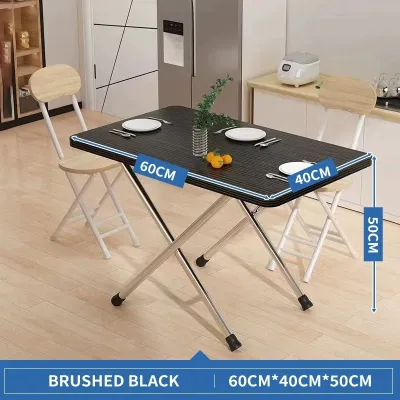
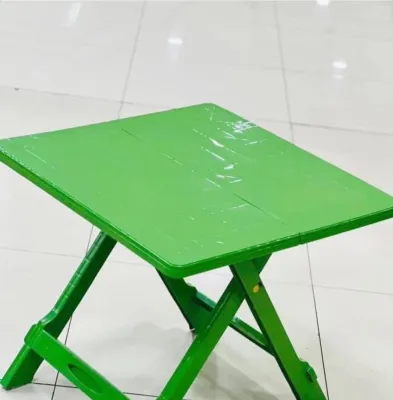
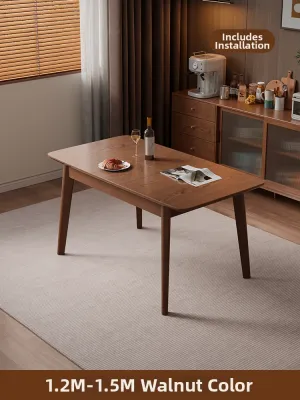
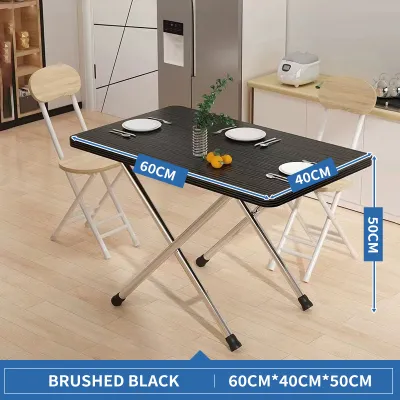
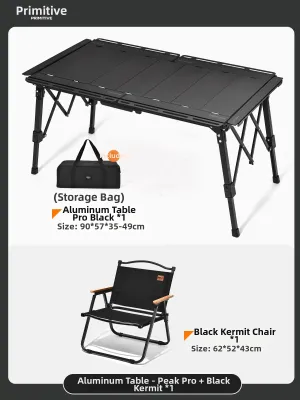
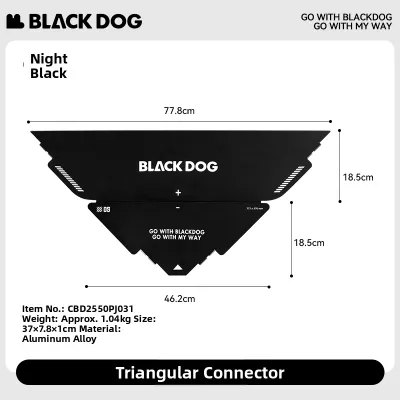
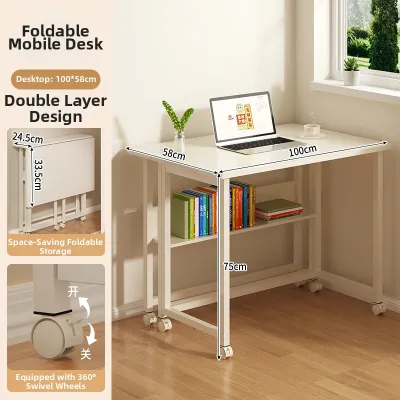
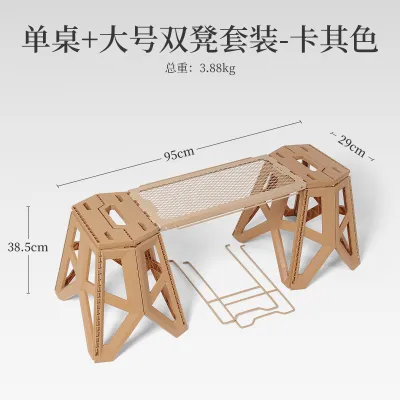
Prices are valid at publication and may change. Please refer to the product page for the latest price.
Next, calculate the clearance required for your balcony doors. If you have a traditional swing door, measure its full swing radius and mark this path on the floor; this area must remain completely clear of furniture. For sliding glass doors, note the width of the sliding track to ensure the table frame does not obstruct the opening or scratch the glass frame.
Subtract a primary walking path from your total measurements. To move safely between the indoor living space and the balcony railing, you need an unobstructed pathway of at least 60 to 70 centimeters. If the balcony serves as a pathway to a fire escape or utility area, this clearance is a non-negotiable safety requirement.
Always consult your condominium administration or building association rules before choosing a table style. Many residential towers enforce strict guidelines regarding exterior modifications. Drilling into structural concrete walls for wall-mounted fixtures is frequently prohibited, and hanging heavy objects over railings may violate safety policies.
Do not forget to assess the vertical space. Look upward to check for sloped ceilings, overhead structural beams, low-hanging laundry lines, or wall-mounted light fixtures that could interfere with a table when it is folded upward.
Finally, consider how you will transport the table to your unit. Measure your building’s elevator doors, corridor widths, and your apartment’s main entryway. Even a folding table must fit through these tight spaces during delivery and assembly.
Match Folded Table Dimensions to Your Intended Use
Your daily routine determines the ideal surface area of your balcony table. A table that is too small will cause frustration when trying to balance a plate and a cup, while an oversized model will crowd the balcony and restrict your movement.

To avoid buyer’s remorse, perform a simple physical test before browsing online marketplaces. Cut a piece of cardboard to the exact dimensions of the table you are considering, or use masking tape to outline the footprint on your balcony floor. Place your planned outdoor chairs or stools within this boundary to see if you can sit comfortably without your knees hitting the railing or the wall.
Compact Tables for Drinks and Quick Coffee
For residents who simply want a quiet spot to enjoy a morning coffee, read a book, or set down a cold drink in the evening, a small bistro or side-table design is highly efficient. These compact models typically feature a narrow depth of 30 to 45 centimeters and a width of 50 to 60 centimeters.
When selecting a compact table, prioritize models with a pedestal base or a single-leg support system. This structural design allows you to tuck stools or small folding chairs completely underneath the tabletop when they are not in use. This keeps the floor space open and prevents tripping hazards in narrow walkways.
Wider Tables for Dining and Remote Work
If you plan to use your balcony as an outdoor dining area or a remote workspace, you will require a significantly larger surface. A standard laptop, mouse, and notebook, or a full dinner plate with serving dishes, requires a minimum table depth of 60 to 70 centimeters and a width of 70 to 80 centimeters.
When planning for this setup, you must calculate the total seating footprint rather than just the table’s physical dimensions. A standard dining chair or desk chair requires an additional 50 to 60 centimeters of clearance behind the table so you can pull the chair out, sit down, and stand up comfortably. Ensure your balcony depth can accommodate both the unfolded table and this active seating zone without pushing your chair dangerously close to the safety railing.
Space-Saving Folded Table Designs for Compact Balconies
Choosing the right folding mechanism allows you to maximize your limited balcony floor space without sacrificing functionality. Modern space-saving designs offer various mounting and freestanding options tailored for compact apartment living.
Wall-Mounted Drop-Leaf Tables These tables are anchored directly to your balcony wall and feature a hinged top that folds flat against the wall when not in use. This design is highly effective for narrow balconies because it leaves the floor entirely free of legs. Before purchasing, verify your balcony wall material. Solid concrete walls provide excellent support for heavy-duty masonry anchors, whereas hollow concrete blocks or exterior cladding may require specialized toggle bolts or might not support a load-bearing table safely. Always refer to the manufacturer’s installation instructions to ensure secure anchoring.
Railing-Hung Tables Railing-hung tables hook directly over the top of your balcony railing, completely eliminating the need for floor legs. This style is excellent for very narrow spaces, but you must measure your railing’s exact thickness and profile (whether it is round, square, or a wide concrete parapet) to ensure a secure fit. Additionally, check your condominium’s safety guidelines. Some high-rise properties strictly prohibit railing-hung items due to the risk of objects falling during high winds or typhoons.
Fold-Down Console Tables If your building administration prohibits both wall-drilling and railing attachments, a freestanding fold-down console table is a versatile alternative. These tables stand on their own legs and feature one or two drop-leaves. When fully folded, they function as a very narrow console—often only 15 to 20 centimeters deep—that can sit flat against the wall. They offer the added benefit of mobility, allowing you to easily carry them indoors through standard doorways when bad weather approaches.
Hardware and Structural Stability Regardless of the design you choose, carefully inspect the table’s structural joints, locking mechanisms, and weight capacity. Outdoor folding tables are subject to frequent movement, so the hinges and locking pins must be robust and easy to operate. Look for models with positive locking mechanisms that prevent the table from accidentally collapsing if bumped. Verify that the frame is stable and does not wobble when light pressure is applied.
Common Sizing and Placement Mistakes to Avoid
Avoiding common sizing and placement errors ensures your balcony remains a safe, comfortable, and functional extension of your apartment.
Ignoring Chair Clearance The most frequent mistake is measuring only the table’s physical dimensions and assuming it will fit. A table might fit perfectly against the wall, but if there is no room to pull out a chair and sit down without your back pressing against the railing, the setup is unusable. Always include the active seating footprint in your initial space calculations.
Blocking Emergency Exits or Drainage Safety must always be your top priority. Never position your folding table in a way that blocks the swing path of the main balcony door or obstructs access to fire escape routes. Furthermore, avoid placing table legs or heavy bases directly over the balcony floor drain. Heavy tropical downpours can quickly accumulate water, and a blocked drain can lead to localized flooding that damages your balcony floor or leaks into your living room.
Overlooking Weather Exposure The tropical climate in the Philippines presents severe challenges for outdoor furniture. High humidity, intense UV exposure, and heavy seasonal rains will rapidly degrade materials that are not properly treated. Do not assume a material name like wood or metal automatically guarantees durability. Check the manufacturer’s product label to verify if the wood has been treated with a marine-grade sealant or if the metal has a rust-resistant powder coating. Inspect the joints regularly for water retention, as trapped moisture can lead to rot or rust.
Assuming Standard Sizes Fit All Balconies often contain hidden space-stealers that are easy to overlook. Air conditioning compressor units, large built-in planters, structural pillars, and exterior utility pipes can significantly reduce your actual floor area. Always measure the clear, unobstructed space rather than the nominal wall-to-wall dimensions of your balcony.
Frequently Asked Questions (FAQ)
Can I use a regular indoor folded table on my balcony?
Using an indoor folded table on an apartment balcony is generally not recommended unless you plan to bring it inside immediately after every use. Indoor tables typically lack the UV-resistant coatings, rust-proof hardware, and waterproof adhesives required to withstand tropical humidity and rain. Exposure to the elements can cause wood to warp or split, MDF to swell and crumble, and standard steel frames to rust rapidly. If you must use an indoor table temporarily, check the manufacturer’s care label and store the item in a dry, indoor space when not in use.
How do I secure a folded table against strong winds?
To prevent your folded table from tipping over or becoming a safety hazard during strong winds and typhoons, secure it properly. For wall-mounted or railing-hung tables, use heavy-duty locking pins, safety straps, or brackets to lock the frame flat against the wall or railing when folded. For freestanding tables, choose designs with a heavier steel or cast-iron base, or plan to move the table completely indoors when high-wind warnings are issued. Regularly check all mounting hardware and joints to ensure they remain tightly secured.
Community discussion
Share your experience or ask a question. Comments are reviewed before publication.