
Finding the perfect center table for a sala folding design in the Philippines requires balancing space-saving utility with structural durability. In compact living rooms, such as those found in urban condominiums, apartments, or traditional row houses, floor space is at a premium. A folding center table offers a highly adaptable solution, transforming from a low-profile coffee table into a temporary workspace, dining area, or open floor space within seconds.
Making the right choice involves analyzing your room’s physical limits, evaluating the mechanical integrity of folding joints, and selecting materials that can withstand tropical humidity. By focusing on practical measurements and verified product specifications, you can find a versatile piece of furniture that enhances your daily living experience without cluttering your home.
Measure Your Sala Space and Table Clearances
To ensure your new folding center table fits seamlessly into your living room, you must measure both the static floor area and the dynamic clearance zones. Start by measuring the distance between the front edge of your sofa and the opposite wall or TV console. For comfortable movement, a standard walking path requires at least 30 to 45 centimeters of clearance between the table and adjacent furniture. When the table is fully extended or unfolded, this clearance must still exist to prevent the space from feeling cramped or impassable.
Products mentioned in this guide
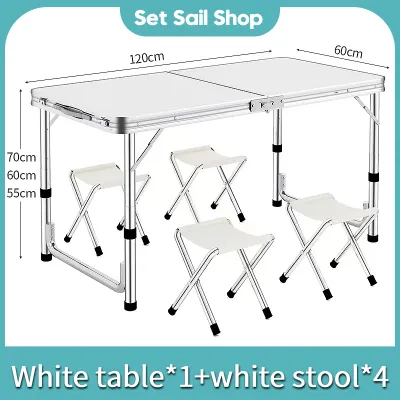
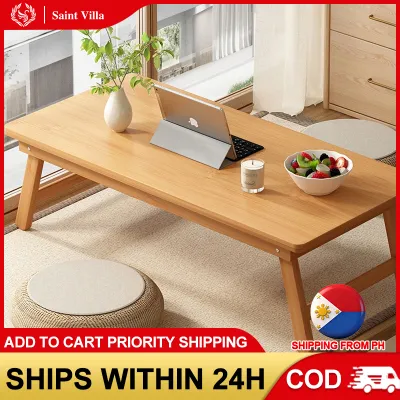
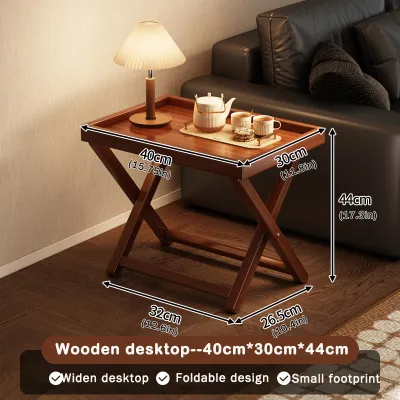
Prices are valid at publication and may change. Please refer to the product page for the latest price.
Using painter’s tape to outline the table’s fully expanded dimensions on your floor can help you visualize the remaining walking space before making a purchase. This simple step allows you to physically walk around the simulated table to ensure it does not block natural traffic paths through your sala.
Beyond the living room itself, you must plan the delivery route from the entrance of your building to the final setup spot. Measure the clear width and height of your main doorway, narrow hallways, stairwells, and elevator doors. Many folding tables are shipped fully assembled or in large, flat-packed boxes that require an ample turning radius in tight corners. Verifying these dimensions beforehand prevents the frustration of receiving a package that cannot physically pass through your front door or fit inside a condominium elevator.
Finally, account for the specific swing radius and operational clearance of the table’s folding mechanisms. Drop-leaf tables require clear space on either side for the panels to swing upward, while lift-top or slide-out designs expand vertically and horizontally toward the seating area. If your sofa has deep cushions or low seats, a table that lifts or slides might collide with your knees or the sofa frame during transition. Check that the path of the moving parts is completely clear of rugs, floor cushions, and nearby side tables to ensure smooth, daily operation.
Identify the Most Useful Folding Mechanisms
Selecting the right folding mechanism depends heavily on how you plan to use your living room on a daily basis. Drop-leaf extensions are ideal for households that occasionally need extra surface area for dining or hosting guests. These tables feature hinged side panels that hang vertically when folded, keeping the footprint compact, and swing upward to lock into place when needed. While highly convenient, drop-leaf tables require sturdy support brackets underneath to remain stable when fully extended.

In contrast, flip-top and lift-top designs are excellent for those who require integrated storage alongside surface versatility. A lift-top table uses mechanical spring or gas-strut hinges to raise the tabletop upward and forward, bringing the surface closer to sofa height for comfortable laptop use or casual dining. Beneath the lifting top, these tables typically feature a hidden compartment perfect for storing remote controls, chargers, books, and coasters. This dual functionality helps keep the surface clutter-free, which is essential for maintaining an organized look in a small sala.
For homes that experience frequent transitions between quiet lounging and active entertaining, nested or expandable sliding tables offer a modular alternative. Nested tables consist of two or three separate units of graduating sizes that slide completely underneath one another when not in use. Expandable sliding tables utilize internal tracks to pull the main surface apart, allowing an extra leaf to be inserted or unfolded from the center. These designs provide maximum flexibility, allowing you to scale the table surface up or down depending on the number of guests in your home.
Regardless of the mechanism you choose, always check the manufacturer’s specified weight capacity for the extended sections. Folding joints and cantilevered leaves are inherently more vulnerable to stress than the solid center of the table. A high-quality mechanism should clearly state how many kilograms the extended leaves can safely support. If you plan to use the table for heavy items, such as laptop setups, large serving trays, or multi-course meals, verify that the support arms and hinges are rated to handle that specific load without bending or sagging over time.
Evaluate Materials for Humid Environments
The tropical climate of the Philippines presents unique challenges for wooden and metal furniture, making material selection a critical factor in long-term durability. High relative humidity can cause low-grade wood products to absorb moisture from the air, leading to swelling, warping, and joint separation. When browsing product specifications, look for engineered wood or medium-density fiberboard (MDF) that features a moisture-resistant rating or is specifically treated for tropical environments. Solid wood options, such as rubberwood or acacia, generally offer superior structural stability, provided they have been properly kiln-dried and sealed.
Metal components, including hinges, brackets, screws, and slide rails, are highly susceptible to rust and corrosion in humid conditions, especially in coastal areas. Inspect the product details to verify that all folding hardware features a protective finish, such as powder coating, zinc plating, or stainless-steel construction. Uncoated iron or low-grade steel hardware will quickly stiffen, squeak, and rust, compromising both the smooth operation of the folding mechanism and the overall stability of the table.
The protective surface finish of the table must also be resilient enough to handle daily wear and tear, including moisture from cold drinks. In the Philippines, condensation from iced glasses can easily ruin a table’s surface if it is not properly sealed. Review the manufacturer’s care labels to confirm that the tabletop features a water-resistant barrier, such as a high-pressure melamine laminate, a polyurethane topcoat, or a specialized wood veneer. These finishes allow you to wipe away spills and condensation easily without worrying about the wood bubbling, staining, or peeling over time.
Verify Product Details on Online Marketplaces
Shopping for furniture on online marketplaces requires a critical eye to ensure the product you receive matches your expectations. Lifestyle images in product listings are often styled using forced perspective, miniature decor, or digital rendering, which can make a small table appear significantly larger than it actually is. To avoid sizing errors, ignore the stylized photos and locate the seller’s official dimension diagrams and specification tables. Compare these exact measurements—both folded and fully expanded—against the physical clearances you measured in your living room.
Before finalizing your purchase, carefully read the seller’s return policy and warranty terms, paying close attention to how they handle mechanical components. A standard return policy might cover transit damage, but a comprehensive warranty should cover defects in the folding hinges, gas lifts, or locking pins for a set period. Because folding tables rely on moving parts, having a clear path for returns or replacement parts is essential if a mechanism fails shortly after assembly.
User reviews and buyer feedback are invaluable resources for assessing the real-world quality of a folding table. Look for reviews that specifically mention the ease or difficulty of assembly, the clarity of the instruction manual, and whether all necessary hardware was included in the package. Pay close attention to comments regarding the stability of the table when fully extended; buyers will often note if the leaves wobble, sag, or feel flimsy under normal use. Checking customer-uploaded photos can also give you a more accurate representation of the table’s true color, texture, and overall build quality.
Assemble and Maintain Your Table Safely
Assembling a folding center table requires patience and strict adherence to the manufacturer’s instructions to ensure structural safety. Because these tables contain moving parts and hinges, incorrect alignment during assembly can cause the mechanism to bind, wear out prematurely, or fail under load. Lay out all components on a soft surface, such as a rug or cardboard packaging, to prevent scratching the finish. Follow the specified assembly sequence step-by-step, and avoid tightening screws completely until all parts are aligned and partially secured.
Once assembled, proper weight distribution is key to preventing tipping accidents and mechanical strain. Avoid placing heavy objects, such as large serving bowls or heavy books, on the extreme outer edges of extended leaves or lift-top surfaces. Concentrating weight on these cantilevered sections creates a lever effect that can tip the table forward or put excessive stress on the hinges and mounting screws. Keep heavier items centered over the main support legs to maintain optimal balance and stability.
Routine maintenance will keep the folding mechanisms operating smoothly for years to come. Clean the table surfaces using only the mild cleaning agents and soft cloths recommended on the product care label. Avoid using abrasive scrubbers or harsh chemical solvents, which can strip away protective sealants and rust-resistant coatings on the metal hardware. Periodically check the tightness of all screws and bolts, as the repetitive motion of folding and unfolding can naturally loosen hardware over time.
Frequently Asked Questions (FAQ)
Can a folding center table double as a primary dining table?
A folding center table can serve as an occasional dining surface, but using it as a primary dining table presents ergonomic and structural challenges. Standard coffee tables are typically 40 to 45 centimeters high, which is far too low for comfortable dining when seated on a standard chair. While lift-top tables can raise the surface to a more comfortable height of around 60 to 65 centimeters, they still fall short of a standard 75-centimeter dining table. Additionally, you must strictly observe the manufacturer’s weight limits for the extended leaves, as heavy serving dishes and the pressure of leaning elbows can strain the hinges and cause the table to wobble or tip.
How do I fix a stiff or squeaky folding hinge?
If a folding hinge becomes stiff or begins to squeak, always consult the manufacturer’s manual first to identify approved lubricants. Applying the wrong type of household oil can attract dust, pet hair, and grit, which will eventually grind down the mechanism and make the stiffness worse. If the manual permits, apply a small amount of silicone-based spray or light machine oil directly to the hinge pivot points, wiping away any excess immediately to protect the wood finish. If you notice visible metal fatigue, cracks, bent brackets, or severe misalignment, stop using the folding feature immediately and consult a professional furniture repair service to avoid structural failure.
Community discussion
Share your experience or ask a question. Comments are reviewed before publication.