
Glass kitchen cabinets offer a beautiful way to open up your cooking space, making even a compact kitchen feel bright, airy, and sophisticated. In Philippine homes, where kitchens are often bustling hubs of activity and subject to tropical humidity, choosing the right glass cabinet requires a thoughtful balance of style, durability, and practicality. Whether you want to showcase your finest dinnerware or simply want to make a small kitchen feel larger, selecting the perfect cabinet involves evaluating how the unit will handle daily wear, moisture, and your specific storage habits. By focusing on structural integrity, glass safety, and spatial flow, you can find a cabinet that enhances your home’s functionality while standing up to the local climate.
Assessing Your Kitchen Space and Storage Needs
Before browsing styles, you must accurately assess the physical footprint of your kitchen. Start by measuring the available wall space, ceiling height, and the surrounding clearance area. In many Philippine homes, especially modern condominiums or townhouse layouts, kitchen space is at a premium. You need to ensure that cabinet doors can swing open fully without hitting refrigerators, dining tables, or countertops. If you are opting for a freestanding unit or a mobile kitchen cart with glass doors, map out its placement on the floor using painter’s tape to visualize how it affects the traffic flow during meal preparation.
Next, take a close look at what you plan to store inside the cabinet. If your goal is to display a curated collection of heirloom porcelain, fine glassware, or decorative bowls, a cabinet with clear glass panels and integrated interior lighting is an excellent choice. However, if the cabinet will hold everyday items like mismatched plastic containers, spice jars, and packaged dry goods, clear glass will likely make your kitchen look cluttered. In this case, opting for textured, ribbed, or frosted glass allows you to enjoy the light-reflective qualities of glass while keeping daily clutter neatly hidden from view.
Products mentioned in this guide
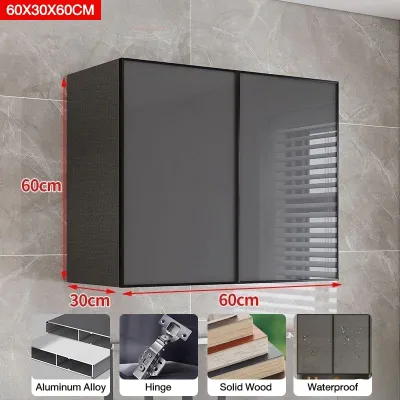
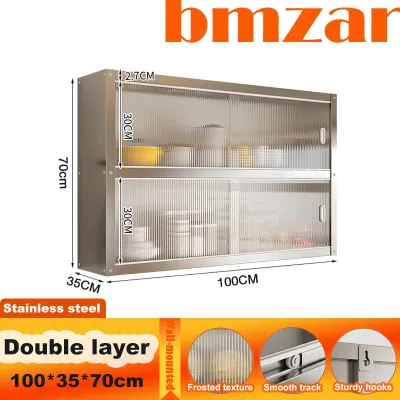
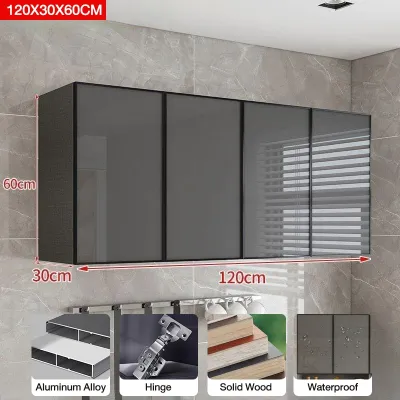
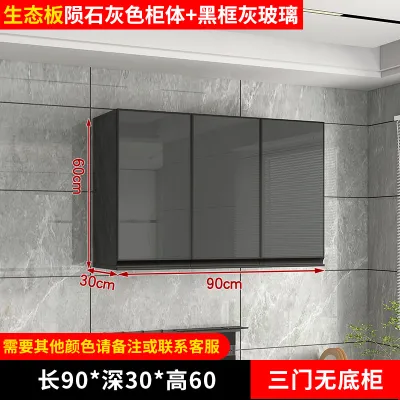
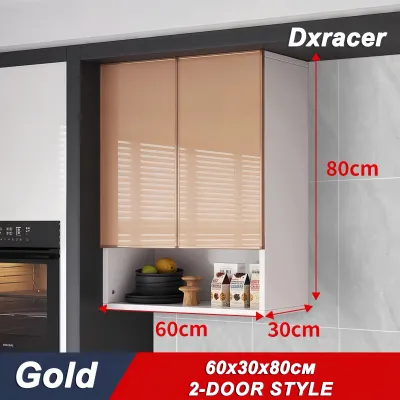
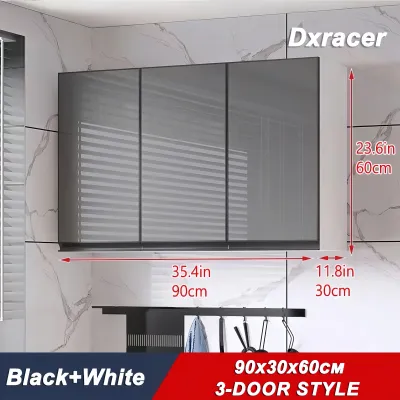
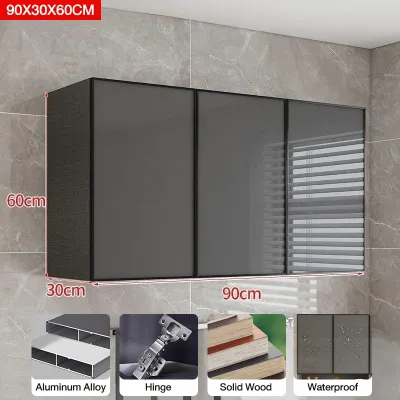
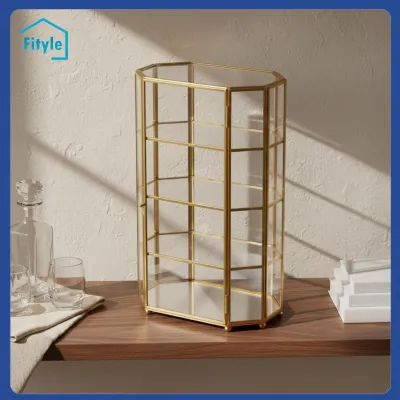
Prices are valid at publication and may change. Please refer to the product page for the latest price.
Finally, do not overlook the logistics of getting the cabinet into your home. Many homeowners purchase beautiful, pre-assembled modular units only to find they cannot clear tight stairwells, low-ceilinged hallways, or narrow condominium elevators. Measure every doorway, elevator entry, and tight corner along the delivery path before making a purchase. If your home has challenging access points, look for flat-packed or modular glass cabinets that can be assembled directly inside your kitchen, ensuring a stress-free delivery and setup process.
Choosing the Right Glass Type and Finish
The type of glass you select determines not only the visual impact of your kitchen cabinets but also how much time you will spend cleaning them. Clear glass is a classic option that offers maximum visibility, making it perfect for creating an open, gallery-like feel. The trade-off is that clear glass shows every fingerprint, water spot, and speck of dust, requiring frequent wiping to maintain its pristine look. It also demands that you keep the interior meticulously organized, as every item is on full display to anyone who enters the room.

For a more forgiving option, consider frosted, ribbed, or textured glass. Frosted glass undergoes an acid-etching or sandblasting process that diffuses light, offering a high level of privacy for your stored items while still allowing soft shapes and colors to filter through. Ribbed or fluted glass features vertical grooves that create a sophisticated, mid-century modern aesthetic; these grooves distort the view of the cabinet’s contents, effectively hiding clutter while adding a tactile texture to your kitchen. Textured glass, such as seeded or rain glass, offers a vintage charm and is highly effective at masking minor smudges and dust.
Safety should always be a primary consideration when choosing glass for kitchen furniture. Standard annealed glass can break into sharp, dangerous shards if accidentally struck by a heavy pot or pan. To minimize this risk, look for cabinets that feature certified tempered glass. Tempered glass is heat-treated to be significantly stronger than standard glass, and in the rare event that it does break, it crumbles into small, blunt pieces rather than sharp fragments. Always verify the manufacturer’s specifications to confirm that the glass panels are tempered, particularly for lower cabinets or high-traffic zones.
| Glass Type | Best Use Case | Privacy Level | Maintenance Effort |
|---|---|---|---|
| Clear Glass | Displaying curated dinnerware and decorative items | None (Fully visible) | High (Shows smudges and dust easily) |
| Frosted Glass | Hiding everyday clutter while maintaining a bright feel | High (Obscures contents) | Low to Medium (Resists visible smudges) |
| Ribbed / Fluted Glass | Modern kitchens seeking texture and subtle concealment | Medium (Distorts shapes) | Medium (Grooves may require detailed dusting) |
| Textured / Seeded Glass | Rustic or vintage kitchens wanting character | Medium (Softens outlines) | Low (Masks dust and fingerprints well) |
Selecting Cabinet Styles and Configurations
The way your cabinet doors open and how the unit is positioned can dramatically affect your kitchen’s daily workflow. Hinged doors are the most common configuration, offering complete access to the cabinet’s interior when fully opened. However, they require a clear radius of space in front of the cabinet to swing open. In narrow galley kitchens or tight dining areas, open hinged doors can block walkways and create safety hazards. For these compact spaces, sliding glass doors are an excellent alternative, as they glide smoothly along a track without projecting outward, though they do limit you to accessing only one side of the cabinet at a time.
You must also decide between wall-mounted cabinets and base cabinets with glass inserts. Wall-mounted glass cabinets are highly effective at breaking up heavy blocks of solid cabinetry, lifting the eye upward and making the room feel more spacious. However, because they are elevated, you must be mindful of what you store in them, keeping heavier items lower and lighter glassware higher. Base cabinets or freestanding sideboards with glass doors add a furniture-like elegance to the kitchen or dining boundary, but they require sturdy kickboards and durable frames to withstand accidental kicks or vacuum cleaner bumps near the floor.
Another design choice is the balance between open shelving with glass backing and fully enclosed glass cabinets. Open shelves with a glass back panel allow light to pass through from adjacent windows, creating a stunning, floating effect. However, they offer no protection against airborne grease, cooking steam, and dust, which are common in active kitchens. Fully enclosed glass cabinets, on the other hand, provide a protective barrier that keeps your dishes clean and dust-free, reducing the frequency of washing items before you use them.
Evaluating Frame Materials and Structural Support
While the glass panels draw the eye, the frame material and structural hardware determine the lifespan of your cabinet. In the Philippines, high humidity levels and seasonal temperature shifts can cause certain materials to warp, swell, or degrade. Solid wood frames, such as mahogany or teak, offer exceptional strength and classic beauty, but they must be treated with high-quality, moisture-resistant sealants to prevent warping. Engineered woods, like medium-density fiberboard (MDF) or particleboard, are common in budget-friendly modular furniture; if you choose engineered wood, verify that it features a moisture-resistant laminate or veneer finish to protect the core from swelling in humid conditions. Metal frames, particularly powder-coated steel or aluminum, provide a sleek, industrial look and are highly resistant to moisture, making them an incredibly durable choice for tropical climates.
The structural support of the shelves inside the cabinet is equally critical. Glass shelves must be thick enough to support the weight of stacked plates, bowls, and serving platters without bowing or cracking. Check the manufacturer’s specifications for the maximum weight rating per shelf. If you plan to store heavy ceramic or stoneware items, look for cabinets with adjustable wooden or metal shelves that feature glass-fronted doors, rather than solid glass shelves. If the shelves themselves are glass, ensure they are made of thick, tempered glass and are supported by heavy-duty metal brackets with rubber or silicone cushions to prevent slipping and scratching.
Finally, pay close attention to the door hardware. Glass-fronted doors are heavier than standard wooden doors, placing extra stress on hinges and tracks. Look for cabinets equipped with high-quality, soft-close hinges or smooth-gliding rollers. Soft-close mechanisms prevent the doors from slamming shut, which protects the glass panels from structural shock and reduces the risk of hairline fractures over time. Check that the hinges are adjustable, allowing you to realign the doors easily if they begin to sag under their own weight after years of use.
Pre-Purchase Checklist and Installation Requirements
Before finalizing your purchase, run through a comprehensive checklist to ensure a seamless installation. Double-check your physical measurements against the product’s official specifications. Do not rely solely on visual estimates; measure down to the millimeter, taking into account the thickness of baseboards, the projection of window sills, the location of light switches, and the placement of electrical outlets. If you are installing a wall-mounted cabinet, ensure that the wall structure can support the combined weight of the cabinet, the glass doors, and the items stored inside. Wall-mounted units should always be anchored directly into wall studs or solid concrete walls using appropriate heavy-duty wall anchors, rather than relying on simple drywall or plasterboard fixings.
Consider whether you have the tools and expertise required for assembly and installation. Large glass cabinets can be heavy and awkward to handle, making professional installation a wise investment to ensure the unit is perfectly level and securely anchored. A cabinet that is not level will put uneven stress on the glass doors, causing them to swing open on their own or bind against the frame, which can lead to damage over time. If you choose to assemble the unit yourself, always work with a partner, lay the glass panels on a soft blanket during assembly to prevent scratching, and follow the manufacturer’s step-by-step instructions carefully.
Lastly, review the manufacturer’s care and maintenance guidelines. Different frame finishes and glass coatings require specific cleaning approaches to avoid damage. For instance, some frosted or coated glass panels can be permanently stained or stripped of their finish if cleaned with harsh, abrasive chemicals or ammonia-based sprays. Note the recommended cleaning agents and prepare to use gentle, non-abrasive cloths to keep your new cabinet looking beautiful and functioning safely for years to come.
Frequently Asked Questions (FAQ)
How do I keep glass cabinet doors free of fingerprints and smudges?
To keep your glass cabinet doors looking pristine, clean them regularly using a soft microfiber cloth and a mild, manufacturer-approved glass cleaner or a simple solution of water and white vinegar. Avoid using paper towels, which can leave lint and static behind, attracting more dust. To minimize direct skin contact with the glass, install sleek metal handles, knobs, or edge pulls. This encourages family members to open and close the doors using the hardware rather than pushing directly on the glass panels, significantly reducing the occurrence of oily smudges and fingerprints.
Can I install glass cabinets in a high-humidity kitchen environment?
Yes, you can install glass cabinets in humid environments, but you must select your materials carefully. While glass itself is completely impervious to moisture and humidity, the surrounding frame and hardware are susceptible to damage. Avoid untreated solid woods or low-grade engineered woods without protective laminates, as they can warp or swell. Instead, look for cabinets with powder-coated aluminum frames, rust-resistant stainless steel hardware, or engineered wood specifically rated for high-moisture areas. Ensure your kitchen has adequate ventilation, such as an exhaust fan or open windows, to help manage humidity levels.
Are glass cabinets safe for homes with young children or pets?
Glass cabinets can be perfectly safe for households with children or pets, provided you take a few key precautions. Always choose cabinets made with certified tempered glass, which is highly impact-resistant and breaks into small, harmless granules rather than sharp shards. For lower cabinets or freestanding sideboards, install magnetic child-safety locks to prevent curious toddlers from opening the doors. Additionally, ensure that all freestanding cabinets are securely anchored to the wall using anti-tip safety straps, preventing the unit from accidentally tipping over if a child or pet attempts to climb on it.
Community discussion
Share your experience or ask a question. Comments are reviewed before publication.