
To choose the right hammock size for your balcony or garden, you must match the hammock’s total length to the horizontal distance between your anchor points while ensuring adequate vertical clearance and a safe swinging radius. In tropical environments like the Philippines, where outdoor lounging is a year-round pleasure, understanding these spatial limits prevents buying a hammock that either sags to the floor or cannot be hung at all. By measuring your physical space first and verifying structural load capacities, you can select a single, double, or chair-style hammock that fits your layout.
Measure Your Available Space and Clearance
Accurately measuring your physical space is the first step to ensuring your hammock can be safely deployed and enjoyed. Begin by using a tape measure to find the exact linear distance between your two planned anchor points, whether they are trees, posts, or walls. This measurement dictates the maximum length of the hammock you can accommodate, including its suspension straps or chains. Next, measure the vertical height of these anchor points; generally, higher anchor points allow for a deeper, more comfortable sag without letting the hammock touch the ground.
You must also account for the hammock’s natural sag and the required bottom clearance from the floor. When occupied, the lowest point of the hammock should sit roughly 18 to 24 inches off the ground, which is a comfortable height for sitting down and standing up. In humid tropical climates, keeping the fabric well clear of damp ground, wet grass, or balcony tiles is essential to prevent moisture absorption, mold, and fabric degradation. Finally, ensure there is adequate surrounding clearance. A hammock is dynamic; it moves when you enter, exit, or swing. Clear away potted plants, outdoor tables, and decorative items to create an unobstructed zone.
Products mentioned in this guide

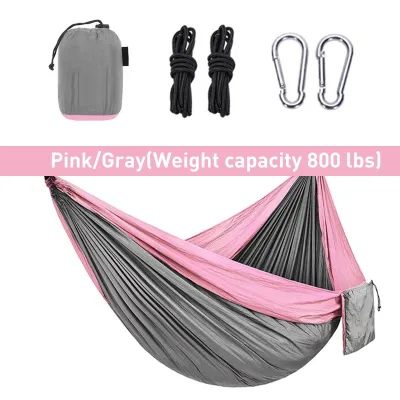
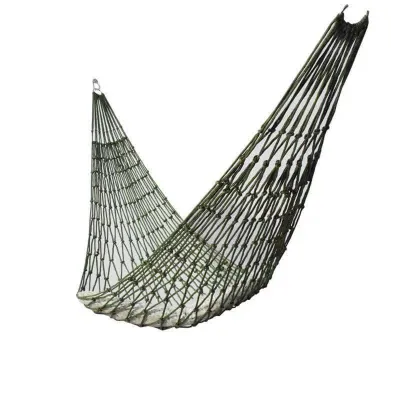
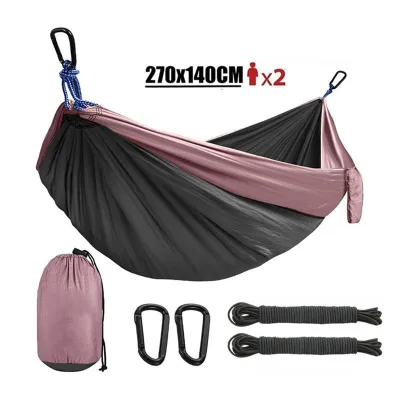
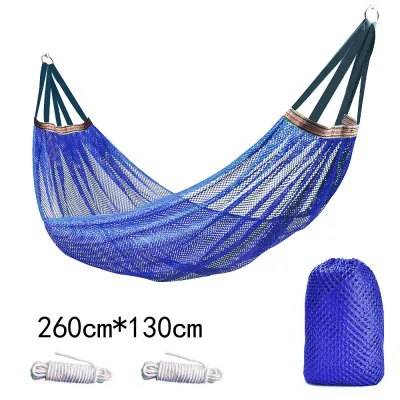
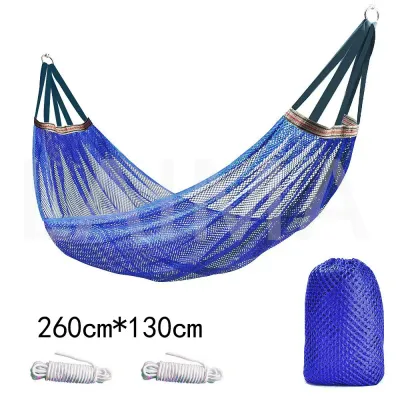
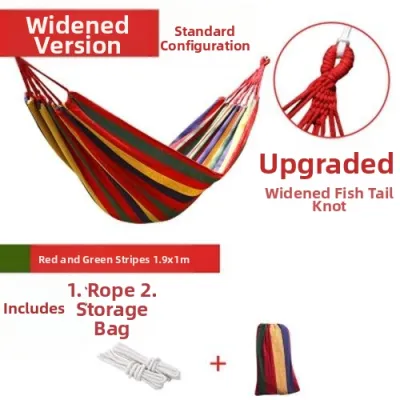
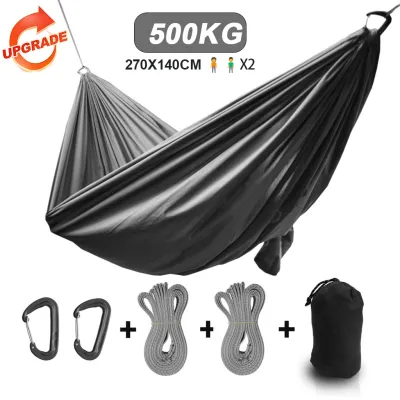
Prices are valid at publication and may change. Please refer to the product page for the latest price.
Check Structural Support and Weight Capacity
Before installing any hardware, you must evaluate the load-bearing capacity and structural safety of your chosen anchor points. A swinging hammock exerts dynamic forces that are significantly higher than your static body weight, meaning your anchors must be exceptionally robust. Look for load-bearing concrete walls, solid wooden beams, or mature, healthy trees with a trunk diameter of at least six inches. In many homes, concrete hollow block walls are common, but these are often non-structural and can crumble under lateral tension; always ensure you are drilling into solid poured concrete or structural steel.

Verify the rated weight capacity of both the hammock fabric and the mounting hardware before use. Most manufacturers specify a weight limit, which should comfortably exceed the combined weight of the intended users. Avoid anchoring to non-structural elements such as decorative wooden posts, glass balcony railings, thin drywall, or weak tree branches. If you are unsure about the structural integrity of a wall or beam, consult a local contractor or structural engineer before drilling. Taking the time to verify these supports prevents structural damage and potential injuries.
Match Hammock Dimensions to Your Space Type
Aligning specific hammock styles and sizes with the measured dimensions of your outdoor area ensures both comfort and functionality. Different spaces demand different configurations, and choosing the wrong style can make your outdoor area feel cramped or unusable.
Compact Balconies and Small Patios
For restricted outdoor spaces, such as high-rise condo balconies in urban areas, space-saving designs are highly recommended. Prioritize hammock chairs or hanging nest chairs, which suspend from a single overhead anchor point or a compact, vertical stand. These designs drastically reduce the horizontal footprint required, leaving plenty of room for walkways and other balcony furniture.
If you prefer a traditional horizontal hammock in a tight space, consider a diagonal hanging layout. Hanging the hammock diagonally from one corner of the balcony to the opposite side maximizes the available linear distance, allowing you to fit a longer hammock than would be possible if hung parallel to the wall. Additionally, look for lightweight, compact models made of breathable nylon or cotton blends that can be easily unhooked and stored indoors during heavy tropical rains or typhoons.
Spacious Gardens and Open Yards
In expansive outdoor environments where space is less constrained, you can explore wider family-sized hammocks and spreader-bar designs. Spreader-bar hammocks use wooden or metal bars at each end to keep the fabric flat and taut, requiring a longer horizontal hanging distance and a wider footprint to prevent tipping. These models are excellent for sunbathing or open-air lounging in large yards.
When placing a hammock in a large garden, balance its visual proportion against the surrounding landscape. A tiny single hammock might look lost in a vast lawn, whereas a double-wide model suspended between two mature mango or coconut trees creates an inviting focal point. Ensure the placement accounts for changing sun patterns throughout the day, perhaps positioning it under a canopy of leaves to provide natural shade during hot afternoons.
Evaluate Hanging Hardware and Installation Requirements
Selecting the correct installation accessories is just as important as choosing the hammock itself. For garden trees, always use wide, tree-friendly polyester straps. These straps distribute the weight over a larger surface area, protecting the tree’s bark and cambium layer from friction damage. Never use bare ropes, wires, or nails on living trees, as they can girdle and kill the tree over time.
For concrete walls or solid wooden beams on a veranda, heavy-duty stainless steel eye bolts or specialized wall anchors are required. In highly humid or coastal environments, opt for marine-grade stainless steel hardware to resist rust and corrosion. Use adjustable suspension ropes, chains, or carabiners to fine-tune the hanging height and tension, allowing you to adjust the sag as the fabric stretches over time. Always consult the specific product manual and structural guidelines before drilling or altering any surface.
Common Sizing and Installation Mistakes to Avoid
One of the most frequent errors is forgetting to add extra length for the suspension hardware, knots, and the optimal hanging angle. If your anchor points are exactly the length of the hammock, you will not have room for the straps or chains needed to hang it. Always allow for an extra foot or two of clearance on each end to accommodate the suspension system.
Another mistake is ignoring the primary user’s height. A hammock that is too short forces you to lie straight down the middle, which causes the fabric to wrap around you like a cocoon, restricting your view and airflow. For optimal comfort, you should lie diagonally across the hammock, which flattens the fabric and keeps your body level. This requires a hammock that is significantly longer than your height. Finally, failing to leave a sufficient swing radius near hard surfaces, glass doors, or high-traffic pathways can lead to painful collisions or blocked access.
Frequently Asked Questions (FAQ)
Can I hang a hammock on a standard apartment balcony railing?
No, you should not hang a hammock from a standard apartment balcony railing. Most residential railings are engineered to withstand vertical loads and minor outward pressure for fall prevention, but they are not designed to handle the intense, dynamic lateral forces exerted by a swinging hammock. Attaching a hammock to these railings can bend the metal, compromise the structural integrity of the balcony, or cause a catastrophic failure. Instead, opt for a freestanding hammock stand or a ceiling-mounted hammock chair anchored directly into a structural concrete slab.
How much extra space do I need around the hammock for safe swinging?
As a general rule, you should maintain a clear buffer zone of at least three to four feet on both sides of the hammock’s centerline to allow for safe swinging. This prevents you from hitting walls, glass doors, columns, or sharp garden ornaments. Additionally, ensure there is at least two feet of clearance at both ends of the hammock to accommodate the suspension hardware and prevent your head or feet from bumping into the anchor posts or trees during entry and exit.
Community discussion
Share your experience or ask a question. Comments are reviewed before publication.