
Adding a high-quality hammock spring to your balcony or garden setup is the easiest way to transform a stiff, rigid hang into a gentle, cloud-like experience. A dedicated hammock spring acts as a specialized shock absorber, smoothing out sudden movements and reducing the structural stress placed on your ceiling mounts, tree straps, or metal stands. To choose the right one, you must match the spring’s weight capacity to your dynamic load, select corrosion-resistant materials capable of surviving high tropical humidity, and verify that your mounting surface can safely support the tension.
Evaluate Your Balcony or Garden Space and Hammock Type
Before purchasing any suspension hardware, you must carefully evaluate the physical boundaries of your designated relaxation spot. Grab a tape measure and document the exact vertical clearance from your proposed anchor point to the floor, as well as the horizontal distance between your support structures. Remember that a hammock spring adds several inches of length to your overall suspension chain, which will lower your seating height. For tight spaces like a typical high-rise condo balcony in Manila, every centimeter counts; a spring that is too long or stretches too far under weight might leave you bottoming out on the hard concrete floor.
When planning your setup, also consider how you will transport your hammock or hanging chair frame into your home. Ensure you measure your building’s lift doors, stairwells, and balcony doorways to guarantee the furniture pieces can actually reach your balcony. While the hammock spring itself is compact, the overall dimensions of the stand or frame must fit through your entryways without causing damage.
Products mentioned in this guide
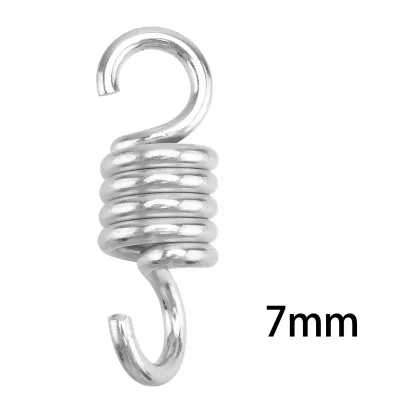
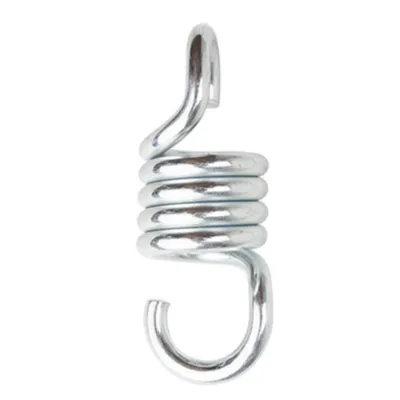
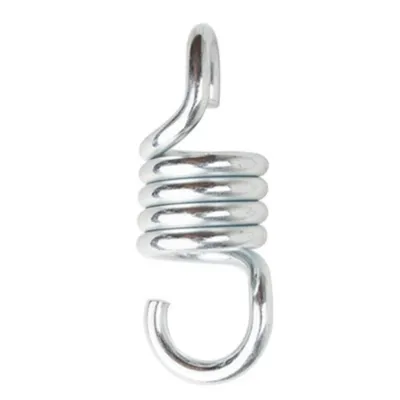
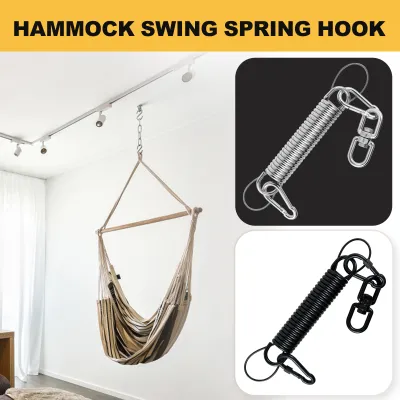
Prices are valid at publication and may change. Please refer to the product page for the latest price.
Next, identify the specific design of your hammock or hanging chair, as this dictates how the assembly moves and distributes weight. A traditional gathered-end hammock or a spreader-bar design creates a wide, sweeping swing arc that places significant lateral pull on your anchors. In contrast, a teardrop-shaped hanging pod or nest chair moves in a tighter, more vertical fashion, requiring a spring that excels at up-and-down compression. Knowing these movement patterns helps you determine if you need a spring primarily for a soft, elastic bounce or simply as a heavy-duty shock absorber to protect your walls and ceiling from sudden jolts.
Key Specifications to Check Before Buying a Hammock Spring
Not all metal coils are engineered to support human weight safely. When shopping at local hardware outlets or online marketplaces, you must scrutinize the manufacturer’s specification sheet rather than relying on generic product titles. Focus on three critical performance pillars: weight ratings, material integrity, and physical dimensions.

Weight Capacity and Dynamic Load
Calculating your weight requirement involves more than just adding your body weight to the weight of the hammock fabric. You must calculate the dynamic load, which is the force exerted when you sit down, shift positions, or gently swing. As a rule of thumb, multiply the total static weight (your weight plus the weight of the hammock and any cushions) by at least 1.5 to 2.0 to find your required dynamic capacity. For instance, if the static weight is 100 kilograms, look for a hammock spring rated for at least 150 to 200 kilograms. Always check the manufacturer’s labeled weight limit on the packaging; never exceed this rating, and avoid unlabeled, unbranded springs that do not explicitly state their weight limits.
For weight capacity, always look for a certified rating. If you plan to share a double hammock with a partner, combine both of your weights, add the weight of the hammock, straps, and any decorative pillows, and then apply the dynamic safety factor. In the Philippines, where family gatherings on the veranda are common, it is wise to size up your hardware to accommodate multiple users safely.
Material and Rust Resistance
In the Philippines, the combination of intense tropical heat, high relative humidity, and salt-laden coastal breezes will rapidly destroy unprotected metal. Standard raw steel or basic iron springs will rust within weeks, leading to squeaking, structural degradation, and eventual failure. To prevent this, prioritize springs made from high-grade stainless steel (such as 304 or 316 grade) or heavy-duty galvanized steel.
Alternatively, look for carbon steel springs finished with a thick, baked-on outdoor powder coating. Always inspect the spring’s finish for any chips or exposed metal before installation, and apply a thin layer of marine-grade silicone grease to the coils and joint loops to add an extra barrier against moisture. A material name alone does not guarantee long-term durability; you must check the quality of the joints and follow the manufacturer’s care instructions, such as wiping down the spring after heavy rain.
Spring Length and Tension
The physical length of an uncoiled spring directly impacts your overall suspension geometry. A typical hammock spring ranges from 15 to 25 centimeters in length; you must subtract this length from your total available hanging distance to ensure your hammock does not sag too low. Additionally, consider the spring’s tension or stiffness, which determines the “feel” of the bounce.
A highly stiff spring provides subtle shock absorption but very little vertical bounce, making it ideal for heavy hanging chairs or structural protection. A more flexible, closely coiled spring offers a softer, more elastic bounce, but it will stretch significantly more under load, requiring higher initial mounting points to keep you off the ground.
Match the Spring to Your Mounting Surface
The safety of your setup is only as strong as the connection between your spring and the mounting surface. Different environments require distinct anchoring strategies and hardware configurations to distribute weight safely and prevent structural damage.
Balcony Ceilings and Concrete Beams
If you are installing a hanging chair on a concrete condo balcony, you must anchor directly into solid, load-bearing structural concrete. Never attempt to mount hardware into hollow concrete blocks, decorative plaster drop ceilings, or wooden soffits, as these materials cannot support dynamic human weight. Use heavy-duty, expansion-shield concrete anchors or sleeve anchors rated for overhead suspension. Integrating a high-quality hammock spring into this rigid concrete setup is highly beneficial; the spring absorbs the sudden impact forces of sitting down, preventing those vibrations from transferring into the concrete beam and loosening your anchor bolts over time.
If you are renting a condo in urban centers like Metro Manila or Cebu, always check your building’s property management guidelines before drilling into any concrete beams. Many condominiums prohibit permanent structural alterations. In such cases, a heavy-duty freestanding metal stand paired with a high-quality shock-absorbing spring is the perfect non-invasive alternative.
Garden Trees and Freestanding Stands
For a lush garden setup, your suspension must respect the health of your trees and the stability of your hardware. When hanging from a sturdy tree branch, never wrap bare metal chains, S-hooks, or the spring itself directly around the wood, as this can slice through the bark and slowly kill the tree. Instead, loop wide, heavy-duty polyester tree-saver straps around the branch, and hook your spring into the designated loops of the strap using a locking carabiner.
If you are using a freestanding metal hammock stand, ensure the stand’s frame is placed on flat, level ground to prevent tipping. Verify that your spring’s attachment hooks or carabiners fit perfectly into the stand’s pre-drilled eyelets without slipping or binding, which can cause uneven wear on the metal frame. High-quality, weather-resistant hammock springs typically range from ₱300 for basic single-person options to ₱1,500 or more for heavy-duty, marine-grade stainless steel suspension kits.
Step-by-Step Guide to Selecting and Installing Your Spring
Follow this systematic workflow to ensure your hammock or hanging chair is perfectly balanced, secure, and ready for use.
- Step 1: Measure your space. Use a tape measure to find the height of your anchor points and the distance between them. Account for the length of the hammock, the extension straps, and the spring itself to ensure your seat sits roughly 45 to 50 centimeters off the ground when occupied.
- Step 2: Verify the specifications. Select a spring that features a certified weight rating exceeding your calculated dynamic load, made from stainless steel or powder-coated galvanized steel to withstand the tropical climate.
- Step 3: Secure the primary anchors. Install your concrete expansion bolts into a solid beam, or wrap your tree-saver straps securely around a healthy, thick tree branch.
- Step 4: Connect the hardware. Attach your hammock spring to the anchor using load-rated, locking carabiners or heavy-duty S-hooks. Ensure all carabiner gates are fully closed and threaded locks are turned to the secure position.
- Step 5: Perform a gradual weight test. Do not jump straight into the hammock. Instead, apply weight slowly—first by pressing down with your hands, then by sitting carefully while keeping your feet on the ground. Observe the spring's stretch, listen for any unusual creaks, and check that the anchors remain firmly seated before reclining fully.
Critical Safety Boundaries and When to Seek Professional Help
Your physical safety must always come first. If you have any doubts about the load-bearing capacity of your balcony’s concrete ceiling, or if you cannot identify which beams are structural, stop immediately and consult a licensed structural engineer or a professional contractor. Do not guess or rely on visual assumptions when dealing with overhead concrete suspension.
Additionally, establish a routine inspection schedule for your outdoor hardware. At least once every three months—especially after heavy monsoon rains or periods of intense humidity—inspect your spring for signs of metal fatigue, hairline cracks, permanent elongation, or deep rust. If you notice the spring no longer returns to its original tightly coiled shape when empty, or if the protective coating has flaked off to reveal corroded orange metal, replace the spring immediately. Never attempt to weld, stretch, or repair a damaged spring, as compromised metal can fail suddenly and cause serious injury.
Frequently Asked Questions (FAQ)
Can I use a regular hardware extension spring instead of a dedicated hammock spring?
No, you should never substitute a dedicated hammock spring with a generic utility or garage door extension spring. Generic hardware springs are manufactured for industrial or mechanical tension and are rarely rated or tested for dynamic human loads. They lack the safety margins, specialized end-loops, and corrosion-resistant coatings required for safe suspension, posing a severe risk of sudden snapping and fall injuries.
How often should I replace my hammock spring in a tropical climate?
In a high-humidity tropical environment like the Philippines, you should rely on physical and visual inspections rather than a strict calendar schedule. While a high-quality stainless steel spring can last several years, salt-air exposure or frequent rainfall can accelerate wear. Inspect your spring regularly, and replace it immediately if you observe persistent rust, visible deformation, or a loss of tension that causes the spring to sag permanently.
Community discussion
Share your experience or ask a question. Comments are reviewed before publication.