
To maximize a compact Philippine kitchen, a hanging kabinet kitchen must balance vertical storage capacity with structural safety and environmental resilience. In typical local homes, where space is at a premium and humidity levels run high, choosing the right wall-mounted cabinet involves more than just picking an attractive design. You must carefully evaluate your wall’s load-bearing capacity, select space-saving door mechanisms that do not block narrow walkways, and verify that the materials can withstand moisture and heat. By focusing on these practical dimensions, you can transform your cooking area into an organized, highly functional space without compromising safety or accessibility.
Assessing Your Space and Wall Capacity for Mounted Cabinets
Before purchasing any wall-mounted storage, you must conduct a thorough assessment of your kitchen walls. Begin by measuring the available vertical and horizontal wall space with a reliable tape measure. It is crucial to account for existing fixtures that cannot be easily moved, such as windows, door frames, electrical outlets, and light switches. Additionally, map out the clearance zones for your range hood, refrigerator door swing, and any countertop appliances that emit steam, as these will dictate where your cabinets can safely hang.
The structural composition of your wall is the most critical factor in determining how much weight your hanging cabinets can safely support. In the Philippines, residential walls are commonly constructed from concrete hollow blocks (CHB), solid poured concrete, or drywall over metal or wood studs. Solid concrete offers high load-bearing capacity but requires specialized masonry drill bits and heavy-duty anchors for installation. Concrete hollow blocks are also highly durable but contain hollow pockets, meaning you must align your mounting hardware with the solid portions of the block or use specialized hollow-wall anchors. Drywall, often found in modern condominium units, has very limited load-bearing capacity on its own; cabinets mounted on drywall must be anchored directly into the underlying wall studs to prevent the entire structure from tearing away from the wall.
Products mentioned in this guide
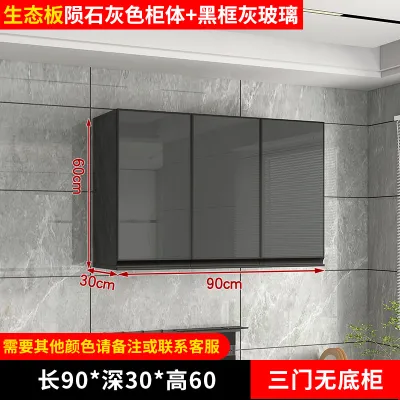
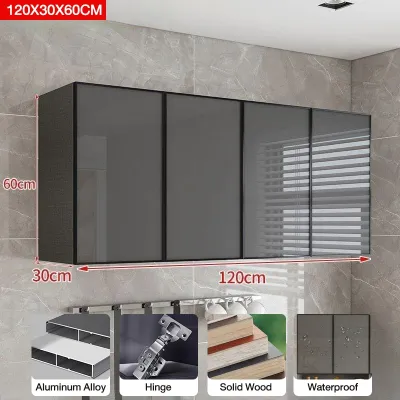
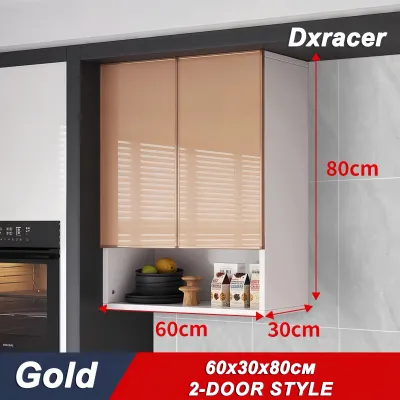
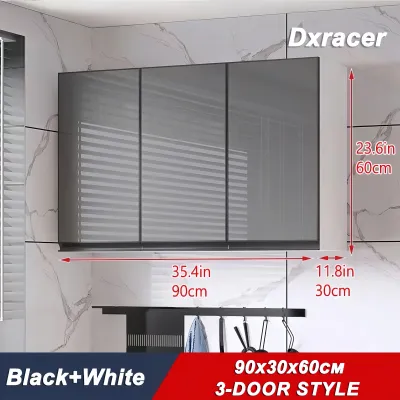
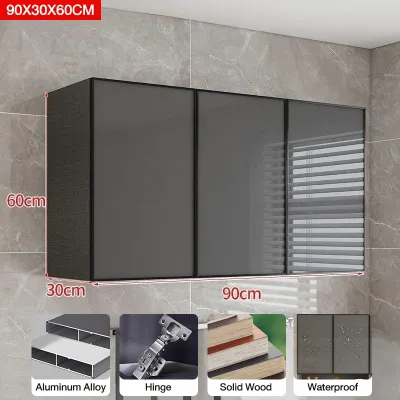
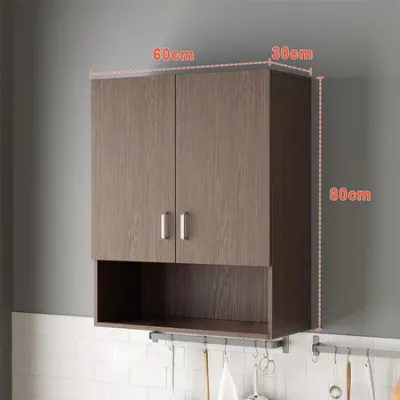
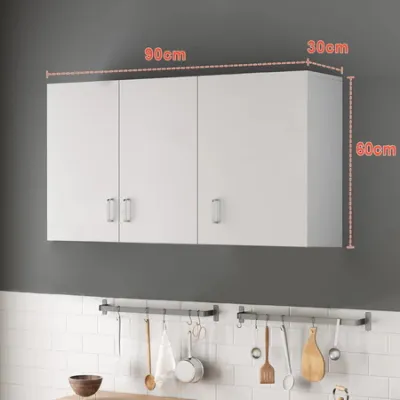
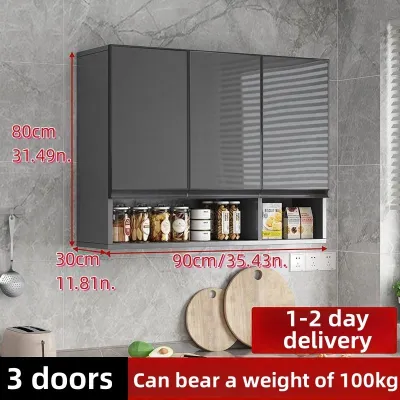
Prices are valid at publication and may change. Please refer to the product page for the latest price.
Once you have identified your wall type, estimate the total weight your cabinets will need to carry. This calculation must include the dead weight of the cabinet itself plus the live load of the items you plan to store inside. Heavy ceramic dinnerware, cast-iron cookware, and bulk pantry items like sacks of rice or large bottles of cooking oil can quickly exceed standard weight limits. For safety, plan to store your heaviest items in base cabinets or on lower shelves, reserving the upper hanging cabinets for lighter items such as glassware, plastic containers, and dry packaged goods.
Space-Saving Features to Look for in Compact Cabinets
In a small kitchen, every centimeter of clearance matters, especially in narrow galley layouts or single-wall kitchen setups. Standard cabinet doors that swing outward require a significant amount of clearance, which can easily block walkways or collide with adjacent appliances and walls. To keep your kitchen functional while doors are open, consider alternative door mechanisms. Sliding cabinet doors, whether made of solid wood, engineered panels, or glass, slide horizontally within the cabinet frame, requiring zero clearance in front of the unit. This allows you to keep the cabinet open while prepping meals without obstructing the flow of traffic.

Another excellent option for tight spaces is the lift-up door mechanism, which utilizes gas struts or hydraulic hinges to lift the door panel vertically. This design keeps the open door completely out of your workspace and head-height path, reducing the risk of accidental bumps. If you prefer traditional hinged doors, look for compact cabinet designs with multiple narrow doors rather than a single wide door, as smaller doors have a much shorter swing radius and project less into the room when opened.
Internal organization is equally vital for maximizing the utility of a compact hanging cabinet. Look for units that feature adjustable shelving tracks, which allow you to customize the height of each shelf based on the specific items you need to store. This prevents wasted vertical space above short items like spice jars or canned goods. Additionally, consider the depth of the cabinet; while standard upper cabinets are typically 30 to 35 centimeters deep, shallower cabinets can make a small kitchen feel much more open and are ideal for storing single rows of mugs, spices, and small pantry items.
Evaluating Materials and Finishes for High Humidity
The tropical climate of the Philippines, characterized by high relative humidity and seasonal temperature fluctuations, demands careful consideration of cabinet materials. Kitchens are naturally damp environments due to steam from cooking rice, boiling water, and washing dishes. If your hanging cabinets are made from materials that cannot handle moisture, they will quickly warp, sag, or develop mold, compromising both their appearance and structural integrity.
When shopping for cabinets, check the manufacturer’s specifications for moisture-resistant (MR) ratings. While solid wood and marine-grade plywood offer excellent natural durability when properly sealed, many budget-friendly cabinets are constructed from engineered woods like medium-density fiberboard (MDF) or particleboard. If you select engineered wood, verify that the panels are fully sealed with a high-quality finish, such as high-pressure laminate (HPL) or melamine. These synthetic overlays act as a protective barrier against moisture, preventing water vapor from penetrating the porous wood fibers beneath.
Pay close attention to the quality of the edge banding, which is the thin strip of material used to seal the exposed edges of the cabinet panels. The seams where the edge banding meets the panel face are the most common entry points for moisture. Inspect these joints closely for any signs of peeling, gaps, or uneven glue lines. High-quality cabinets utilize polyurethane (PUR) adhesives or laser-fused edge banding, which create a highly water-resistant seal that prevents delamination and swelling over time. Finally, review the manufacturer’s care instructions and warranty terms; reliable products should outline clear guidelines for cleaning and maintenance, specifically regarding exposure to heat from nearby stoves and moisture from sinks.
Layout Strategies to Maximize Vertical Storage
An effective kitchen layout balances accessibility, safety, and visual appeal. When planning the placement of your hanging cabinets, start by considering the height and reach of the primary user. The bottom shelf of your hanging cabinets should be easily reachable without the aid of a step stool, while the top shelves can be reserved for items you only use occasionally. If your ceilings are exceptionally high, extending your cabinets all the way to the ceiling can maximize your storage capacity and eliminate the dust-gathering void often left on top of standard-height cabinets.
Do not overlook challenging areas like corners or the space directly above your sink and refrigerator. Corner walls can be fully utilized by installing specialized L-shaped corner cabinets or diagonal units equipped with rotating lazy Susans, which bring items from the back of the cabinet directly to your fingertips. The area above the sink is an ideal spot for an open-bottom dish drying cabinet; this clever design allows freshly washed plates and bowls to drip-dry directly into the sink basin, freeing up valuable countertop space that would otherwise be occupied by a bulky dish rack.
To prevent your small kitchen from feeling dark and cramped, aim for a balanced mix of closed and open storage. A solid wall of heavy, dark-colored closed cabinets can visually shrink a room. By incorporating open shelves, wire racks, or glass-front cabinet doors, you can break up the visual weight of the wall and create a more open, airy feel. Use open shelves for items you use daily, such as coffee mugs and dinner plates, to keep them within easy reach while keeping less attractive pantry items hidden behind solid cabinet doors.
Installation Requirements and Safety Checks
Installing hanging kitchen cabinets is a precise task where safety must be your top priority. A poorly installed cabinet poses a significant hazard, as the weight of the cabinet combined with heavy kitchenware can cause the entire unit to pull away from the wall and collapse. Before beginning the installation, verify that you have the correct mounting hardware for your specific wall type. Standard plastic wall plugs and basic wood screws are often insufficient for securing heavy cabinets to concrete hollow blocks or drywall.
For concrete and masonry walls, use heavy-duty sleeve anchors, concrete screws, or specialized nylon wall plugs designed to expand securely inside the masonry. If you are mounting cabinets onto a drywall surface, you must locate the vertical wall studs using a stud finder and secure the cabinet’s mounting rail or brackets directly into these studs using heavy-duty wood screws. Never rely on drywall anchors or toggle bolts alone to support the weight of a hanging cabinet, as drywall lacks the structural strength to hold heavy loads over time.
During the installation process, always use a spirit level to ensure the cabinets are perfectly level and plumb. Uneven mounting puts unequal stress on the joints and mounting brackets, which can lead to structural failure or cause the cabinet doors to swing open on their own. If you encounter unexpected resistance while drilling, such as hitting a steel reinforcing bar in a concrete wall, or if you suspect that electrical conduits or water pipes run through the installation area, stop immediately. In these situations, or if you feel unsure about your ability to secure the cabinets safely, it is highly recommended to consult a qualified professional installer or carpenter to complete the job.
Frequently Asked Questions (FAQ)
Can I install hanging cabinets on a hollow block wall?
Yes, you can install hanging cabinets on a concrete hollow block (CHB) wall, but you must take specific structural precautions. First, inspect the wall to ensure the mortar joints are solid and the blocks themselves are not crumbling, cracked, or damaged by moisture. Because hollow blocks have empty cavities inside, standard wall plugs may not grip securely. You must use specialized masonry anchors, such as sleeve anchors or heavy-duty nylon toggle plugs, which expand inside the hollow core to create a secure hold. Always verify that the weight capacity of your selected anchors matches or exceeds the total calculated weight of your loaded cabinets, and avoid drilling too close to the edges of the blocks to prevent cracking.
What is the standard distance between the countertop and hanging cabinets?
The standard distance between a kitchen countertop and the bottom of hanging cabinets typically ranges from 45 to 60 centimeters (18 to 24 inches). This clearance provides ample space for comfortable food preparation and allows you to place common countertop appliances, such as rice cookers, blenders, and coffee makers, without obstruction. However, you should adjust this height based on your personal needs. If the primary cook in your home is shorter, lowering the cabinets slightly can make the upper shelves more accessible. Conversely, if you have a high ceiling or use exceptionally tall countertop appliances that release steam, mounting the cabinets slightly higher will protect them from heat damage while maintaining a comfortable workspace.
Community discussion
Share your experience or ask a question. Comments are reviewed before publication.