
Selecting the ideal hanging shoe rack size is a balancing act between your available closet space and the physical dimensions of your footwear. To find the perfect fit, you must look beyond simple pocket counts and analyze your closet rod’s weight capacity, vertical clearance, wardrobe door depth, and the specific profiles of your shoes. A poorly sized organizer will either crowd your hanging clothes, prevent your closet doors from closing, or sag under the weight of your collection, especially in humid environments where moisture can weaken certain materials.
By taking precise measurements of your storage space and categorizing your shoes by height and bulk, you can select an organizer that maximizes vertical space without sacrificing accessibility. This guide will walk you through the essential measurements, capacity assessments, and structural considerations required to choose a hanging shoe rack that keeps your footwear organized and protected.
Measure Your Closet Rod Space and Door Clearance
Before purchasing a hanging shoe rack, you must verify that your closet can physically support and accommodate the organizer by measuring weight, height, width, and depth.
Products mentioned in this guide
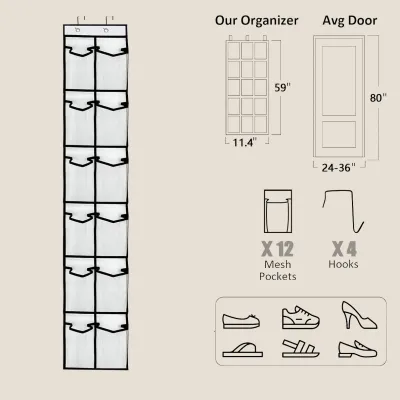
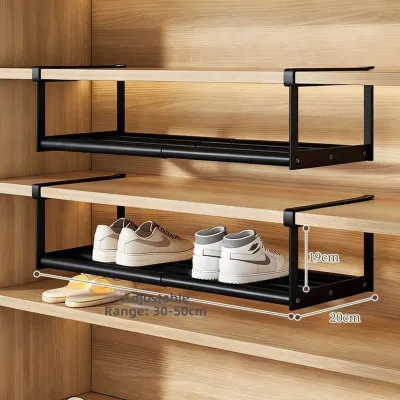
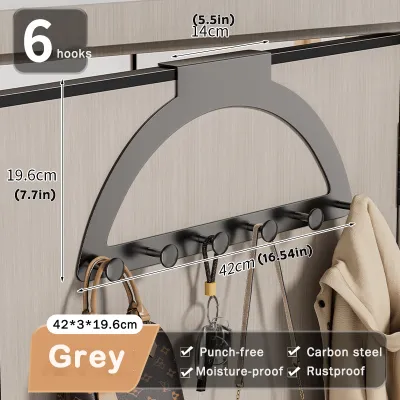
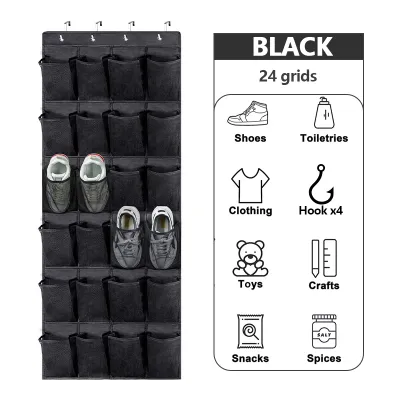
![Pomely [COD&Local]Large Over 24 Pocket Hanging Shoe Rack Organizer Mesh Shoe Box Shoes Organizer Storage Wall Mounted](https://img.lazcdn.com/g/p/006214228ec61162099f5d8fd61adbd0.jpg_400x400q80.jpg_.webp)
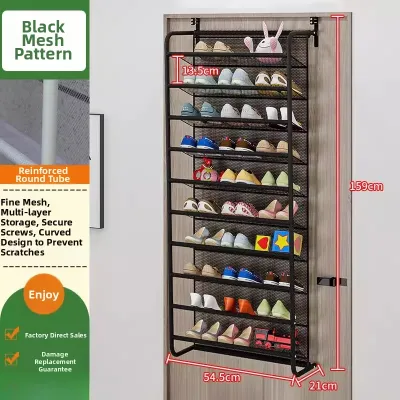
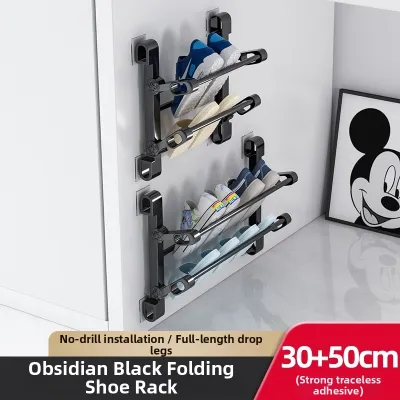
Prices are valid at publication and may change. Please refer to the product page for the latest price.
Rod Diameter and Weight Capacity Evaluate the structural integrity of your closet rod first. Hanging shoe organizers concentrate significant weight onto a narrow section of the rod. Check whether your rod is made of solid wood, steel, or aluminum, and inspect the mounting brackets. A standard metal rod securely anchored into wall studs can typically handle the added dynamic weight of eight to ten pairs of shoes (about 5 to 8 kilograms). If your rod is made of thin plastic or relies on weak tension mounts, it may bow or collapse. Ensure the hanger attachment—whether steel hooks or a wide hook-and-loop wrap—is compatible with your rod’s diameter (typically 2.5 to 4 centimeters).
Vertical Clearance Measure the vertical distance from the top of the closet rod down to the floor or the nearest lower shelf. This determines the maximum height your hanging shoe rack can be. Standard hanging organizers range from 80 to over 130 centimeters in length. Ensure that the bottom of the rack clears the floor or low-lying bins by at least 5 to 10 centimeters. This clearance prevents the bottom tier from dragging, gathering dust, or absorbing floor-level moisture, which is crucial in tropical climates where ground-level humidity encourages mold growth.
Horizontal Space Measure the total horizontal width of your closet rod to determine how much space you can dedicate to shoe storage. Hanging shoe racks generally occupy between 15 and 30 centimeters of horizontal rod space. Squeezing a wide organizer into a packed rod will crush adjacent garments, leading to wrinkles and restricted airflow. Allocate a dedicated zone for the rack, leaving a buffer of at least 5 centimeters on either side to let clothes hang naturally.
Closet Depth and Door Clearance The depth of your closet is critical but frequently overlooked. Measure the distance from the back wall to the inside face of the closed door. Most standard wardrobes have an interior depth of 55 to 60 centimeters, while a typical hanging shoe rack has a depth of 30 to 35 centimeters. When you insert large sneakers, they may protrude past the shelf edge. Ensure the total depth of the rack, plus the protrusion of your largest shoes, is at least 3 to 5 centimeters less than your closet’s interior depth to prevent shoes from scraping against sliding door tracks or blocking doors.
Assess Your Shoe Collection for Capacity and Tier Needs
With your closet measurements in hand, analyze your shoe collection. The physical characteristics of your footwear dictate the number of tiers, pocket sizes, and structural support your hanging organizer needs.

Inventory Count Begin by gathering all the shoes you plan to store and taking an exact count. Separate your footwear into daily essentials, activewear, and specialty pairs. A hanging shoe rack is highly efficient for everyday footwear like sandals, flats, sneakers, and casual slip-ons. Heavy boots or delicate heels that you only wear occasionally are better off stored in stackable plastic boxes on a shelf. This limits the hanging rack to frequently used pairs, reducing physical strain on your closet rod.
Shoe Profile Categorization Sort your selected shoes into low-profile and high-profile categories. Low-profile shoes, such as flip-flops, leather flats, and thin sandals, require very little vertical space; you can often fit a complete pair into a single narrow pocket. High-profile shoes, including chunky running sneakers, platform heels, and high-top basketball shoes, require significantly more vertical and horizontal clearance. Grouping your shoes by height and width helps you identify whether you need a uniform pocket layout or a multi-sized shelf configuration.
Matching Profiles to Rack Design Standard hanging shoe organizers feature either individual fabric pockets or open, horizontal shelves. Individual pocket designs are highly space-efficient for flat, flexible shoes, holding each shoe securely in its own compartment. However, these pockets are often too tight for structured shoes or high heels. If your collection consists mostly of bulky sneakers, wedges, or ankle boots, look for an open-shelf design that allows you to place shoes side-by-side without crushing their uppers.
Capacity Buffer When selecting a rack size, always build in a small capacity buffer. If you currently have eight pairs of everyday shoes, do not buy an organizer with exactly eight slots. Overstuffing a hanging rack to its absolute limit stretches fabric seams and warps internal supports. Choosing a 10-tier rack for an eight-pair collection provides empty slots for future purchases or shoe care accessories, ensuring the rack maintains its shape over years of daily use.
Match Hanging Shoe Rack Dimensions to Your Measurements and Shoes
Now you can match your spatial limits and shoe profiles to the retail dimensions of a hanging shoe rack. Finding the right balance of width, depth, and material quality ensures long-term durability.
Width Selection Hanging shoe organizers are generally categorized into narrow (15 to 20 centimeters) and wide (25 to 35 centimeters) configurations. Narrow models are ideal for compact wardrobes where rod space is at a premium, making them perfect for sandals, flats, and children’s shoes. Wide models are necessary if you need to store athletic shoes, wide-soled trainers, or structured heels side-by-side on open shelves. Choose the width that fits your dedicated rod zone without compressing hanging clothes.
Depth and Protrusion Standard pocket depths range from 28 to 33 centimeters. If you wear larger shoe sizes (such as men’s US size 10/EU size 44 and above), a shallow 28-centimeter rack will cause shoes to stick out significantly, potentially interfering with your closet doors. For larger footwear, look for organizers with a depth of 33 to 35 centimeters. If you primarily store flats or children’s shoes, a shallower depth of 30 centimeters is highly efficient and preserves walk-around space.
Tier Count and Vertical Spacing The number of tiers directly correlates with the vertical clearance you measured earlier. Common configurations include:
- 6-Tier Racks: Typically measuring 80 to 90 centimeters in height, these are ideal for double-rod closets where the rack hangs from the top rod and must clear a lower hanging rod.
- 8-Tier Racks: Ranging from 100 to 110 centimeters, these offer balanced capacity for standard single-rod wardrobes.
- 10-Tier Racks: Measuring 120 to 130 centimeters or more, these maximize vertical space in tall closets but require a sturdy rod to handle the heavy load.
If your collection is diverse, prioritize organizers with adjustable shelves. Some models feature dividers that allow you to convert two standard tiers into one double-height compartment, perfect for taller boots or high heels.
Material and Structural Integrity The materials used in a hanging shoe rack determine how well it holds its shape under load. Look for models featuring thick non-woven fabric, heavy-duty polyester canvas, or breathable nylon mesh. Crucially, verify that shelves are reinforced with rigid inserts, such as thick cardboard, MDF, or lightweight plastic boards. In high-humidity environments, untreated cardboard inserts can absorb moisture from the air, causing them to sag, warp, and develop musty odors. For tropical climates, look for organizers with plastic-reinforced shelves and breathable mesh side panels to prevent moisture buildup, allow air to circulate, and resist sagging.
Common Sizing and Installation Mistakes to Avoid
To ensure your hanging shoe rack remains a functional, safe, and long-lasting addition to your closet, steer clear of these common purchasing and installation pitfalls.
Overloading the Closet Rod The most common mistake is failing to calculate the total weight of the loaded organizer. While a fabric rack itself is lightweight, filling a 10-tier shelf with heavy leather boots, thick-soled sneakers, and wedges can easily create a load of 10 kilograms or more. This concentrated weight puts immense stress on a single point of your closet rod. Over time, this can cause metal rods to sag permanently, wooden rods to splinter, or wall anchors to pull out. Always distribute heavy items across your closet, and consider reinforcing your rod with center support brackets if you hang a high-capacity organizer.
Ignoring Door Mechanics Many shoppers measure their closet rod but forget to account for how closet doors operate. If you have sliding bypass doors, a hanging shoe rack that is too deep or placed too close to the front of the closet will constantly rub against the doors as they slide. This friction can scuff shoes, fray the fabric of the organizer, and eventually derail sliding doors. For bi-fold or hinged doors, an oversized rack can prevent doors from sealing completely, letting in dust and pests. Always leave a clear physical gap between the front of your stored shoes and the closed door line.
Blocking Airflow and Wrinkling Clothes Hanging a shoe rack directly flush against delicate garments like silk blouses or linen shirts is a recipe for damage. Shoes naturally carry dust, outdoor dirt, and moisture. Pressing them directly against clean clothes can transfer stains and odors. Furthermore, packing items too tightly restricts natural airflow within the wardrobe. In humid regions, stagnant air traps moisture, creating an ideal breeding ground for mold and mildew. Always maintain a physical buffer zone of at least 5 to 10 centimeters between your shoe rack and your hanging garments.
Assuming One-Size-Fits-All Never assume that any standard hanging shoe organizer will accommodate your entire shoe collection. Purchasing a rigid, narrow-pocket rack when you primarily wear chunky trainers, platform heels, or ankle boots will leave you with several unusable compartments. This results in wasted vertical space and forces you to cram shoes into pockets that are too small, damaging the structural shape of both shoes and the organizer. Always match the specific pocket or shelf dimensions to the widest and tallest shoes in your collection before making a decision.
Frequently Asked Questions (FAQ)
Can I hang a shoe rack on a tension rod?
It is generally not recommended to hang a fully loaded shoe rack on a standard spring-loaded tension rod. Tension rods rely solely on friction against the closet walls to stay in place. While they can easily support lightweight shirts, the concentrated, dynamic weight of multiple pairs of shoes—often exceeding 5 to 10 kilograms—creates a high risk of the rod slipping and collapsing. If you must use a tension rod, ensure it is a heavy-duty model with a rated weight capacity that comfortably exceeds the combined weight of the organizer and your shoes, and verify that the wall surfaces provide adequate grip.
How do I keep a hanging shoe rack from swinging?
Hanging shoe racks can swing or shift when you pull shoes out, which can be noisy and annoying. To stabilize the rack, place your heaviest shoes, such as boots or thick sneakers, in the bottom tiers. This lowers the center of gravity and naturally reduces swaying. Additionally, you can use simple, non-damaging methods to secure the bottom of the rack. Try applying self-adhesive hook-and-loop (Velcro) strips to the back corners of the bottom shelf and the closet wall, or loop a small bungee cord or strap around the bottom of the rack and secure it to a nearby shelf bracket or wall hook.
Community discussion
Share your experience or ask a question. Comments are reviewed before publication.