
To choose the right hydraulic bed frame size for a compact condo bedroom, you must balance your sleeping comfort with the physical limitations of your floor plan. A hydraulic bed frame is an exceptional space-saving solution, turning the footprint of your bed into a highly accessible storage chest. However, selecting the wrong size can quickly make a small room feel claustrophobic, block wardrobe doors, or prevent you from opening the lift mechanism safely. The ideal choice requires precise measurements of your room’s dimensions, a clear understanding of clearance zones, and a careful evaluation of how the frame’s outer dimensions—which are often larger than the mattress itself—interact with your layout.
In compact urban residences, every square inch counts. A bed that is too large will restrict movement, while one that is too small might not provide the storage capacity or sleeping comfort you require. By analyzing your room’s layout, understanding standard mattress dimensions, and evaluating how the lift mechanism operates, you can select a hydraulic bed frame that maximizes both floor space and storage efficiency.
Measure Your Bedroom and Clearance Requirements
To avoid purchasing a bed frame that dominates your entire room, start by taking detailed measurements of your bedroom’s physical boundaries. Use a reliable tape measure to record the exact length and width of the room, as well as the ceiling height. Do not rely on developer floor plans, as finished walls can vary slightly due to plastering, baseboards, or structural columns. Sketching a quick layout on paper will help you visualize where the bed will sit and where potential obstacles lie.
Products mentioned in this guide
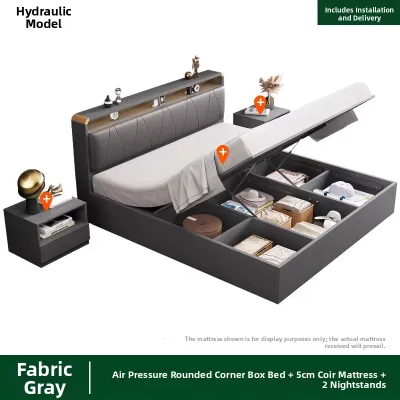

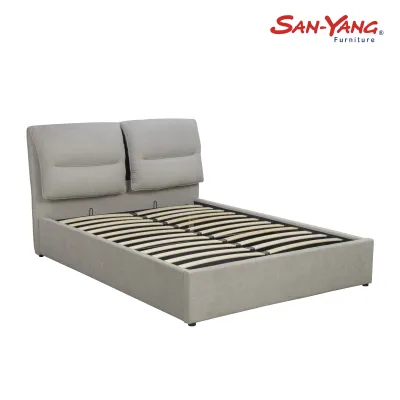

Prices are valid at publication and may change. Please refer to the product page for the latest price.
Next, account for the swing paths of all doors and drawers in the room. This includes the main bedroom entry door, built-in wardrobe doors, and any dresser drawers. If your wardrobe has hinged doors, measure how far they extend when fully opened. You must ensure there is enough clearance between the edge of the bed frame and these doors to allow comfortable access. If space is exceptionally tight, consider replacing hinged wardrobe doors with sliding panels to reclaim valuable floor area.
Walking paths, or circulation zones, are critical for a functional bedroom. Aim for a minimum clearance of 60 centimeters around the sides and foot of the bed. This provides enough space to walk comfortably, change bedsheets, and clean the floors. If the bed is pushed against a wall, ensure the open side has ample clearance for easy entry and exit.
Finally, calculate the vertical and side clearance required when the hydraulic base is fully lifted. When you raise the platform, the frame pivots upward and outward. Verify that the lifted platform, mattress, and headboard will not strike low-hanging light fixtures, ceiling fans, wall-mounted air conditioning units, or wall art. Measure the maximum height the bed reaches and compare it to your ceiling height.
Match Bed Dimensions to Sleep and Storage Needs
Selecting the right bed size is a compromise between sleeping comfort and available floor space. In the Philippines, standard mattress sizes typically include Single (36″ x 75″), Double (54″ x 75″), and Queen (60″ x 80″). For solo condo dwellers, a Single or Double frame provides the perfect balance, leaving room for other furniture. Couples generally require at least a Queen-size bed, which demands careful layout planning in compact condo units.

Align your storage expectations with the depth and layout of the under-bed compartment. Hydraulic bed frames offer varying storage depths, typically ranging from 25 to 40 centimeters. If you plan to store bulky items like hard-shell luggage, thick winter coats for travel, or spare pillows, you will need a deeper frame. For smaller items like bed linens, shoes, or seasonal clothing, a shallower frame is sufficient and keeps the overall profile of the bed lower, which helps maintain an airy feel in a small room.
Avoid the temptation to buy an oversized frame just to get more storage. A King-size hydraulic bed might offer massive storage, but if it leaves only 30 centimeters of walking space, it will make your bedroom feel cramped and stressful. A cramped room also restricts airflow, which can exacerbate humidity issues. Choose a size that accommodates your body comfortably while preserving the room’s flow and functionality.
Evaluate the Lift Mechanism and Frame Structure
The direction in which your hydraulic bed opens significantly impacts how you arrange your bedroom furniture. Hydraulic frames generally come in two configurations: end-lift (opening from the foot) and side-lift (opening from either side). End-lift mechanisms are the most common and work best when the bed is centered in the room. Side-lift mechanisms are ideal if the bed is positioned against a wall or in a corner, allowing you to access the storage compartment from the open side.
It is vital to distinguish between mattress dimensions and the frame’s actual outer dimensions. Many modern hydraulic beds feature thick upholstered headboards, padded side rails, or wide wooden borders. These design elements can add 10 to 20 centimeters to both the length and width of the bed. Always check the manufacturer’s specifications for the overall footprint of the frame, rather than relying solely on the standard mattress size, to ensure it fits within your measured boundaries.
The heart of a hydraulic bed frame is its gas strut system. These struts are rated in Newtons (N) to indicate their lifting capacity. It is crucial to verify that the struts are properly matched to the weight of your mattress. If the struts are too weak, the bed will be difficult to lift and may not stay open safely. If they are too strong, the platform may spring up too quickly or prove difficult to push down. Check the manufacturer’s guidelines to ensure the frame can support your specific mattress type, whether it is a lightweight foam or a heavy pocketed-spring model.
Plan for Delivery, Assembly, and Maintenance
Before finalizing your purchase, you must plan for the logistics of getting the bed frame into your condo unit. High-rise developments often have strict rules regarding delivery times and elevator usage. Measure the height, width, and depth of your condo’s service elevator, as well as the width of hallway turns and stairwells. Hydraulic bed frames often come in large, heavy flat packs or pre-assembled metal bases that may not fit through tight corners or low-clearance doorways.
Assembly requires its own planning. A hydraulic bed frame is a complex piece of furniture with multiple moving parts, heavy steel frames, and high-tension gas struts. Ensure you have enough clear floor space in your bedroom to lay out the parts and perform the assembly safely. If your bedroom is too small, you may need to clear your living room temporarily to assemble the frame. Hiring professional assembly services is highly recommended to ensure the lift mechanism is calibrated correctly.
Long-term maintenance is essential to keep your hydraulic bed operating smoothly. Periodically inspect the metal frame, hinges, and fasteners to ensure nothing has worked loose. Tighten any loose bolts to prevent squeaking and instability. Avoid operating the lift mechanism without a mattress in place, as the sudden release of tension can damage the struts. If the struts lose their lifting power over time, contact the manufacturer for compatible replacements.
Frequently Asked Questions (FAQ)
Can I use a thick mattress on a hydraulic bed frame?
Yes, you can use a thick mattress, but you must pay close attention to its weight and how it affects the frame’s operation. Heavy, thick mattresses—especially those made of dense memory foam or hybrid pocket springs—require gas struts with a higher Newton rating to lift safely. Additionally, an exceptionally thick mattress will sit higher on the frame, which can reduce the visual clearance in your room and potentially block headboard details or wall fixtures. Always verify the manufacturer’s maximum weight limit for the lift mechanism before pairing it with a premium, heavy mattress.
Do hydraulic bed frames require a box spring?
No, hydraulic bed frames do not require a box spring. These frames are designed with a built-in support system, typically consisting of a sturdy slatted wooden platform or a solid metal-reinforced board that attaches directly to the hydraulic lift arms. Adding a box spring would not only add unnecessary height and weight, making the lift mechanism difficult or dangerous to operate, but it would also defeat the purpose of the under-bed storage by blocking access to the compartment below.
How do I prevent the storage compartment from smelling musty?
In tropical climates with high humidity, under-bed storage compartments can easily trap moisture and develop a musty odor. To prevent this, place moisture absorbers, silica gel packs, or charcoal dehumidifying bags inside the compartment and replace them regularly. Avoid storing damp items, such as recently washed linens that are not completely dry, or wet shoes. It is also beneficial to leave the bed lifted open for a few hours every couple of weeks to allow fresh air to circulate through the storage space, keeping your stored belongings fresh and dry.
Community discussion
Share your experience or ask a question. Comments are reviewed before publication.