
Selecting a highly compatible inflatable pillow for a camping hammock requires finding a compact, ergonomically contoured, and highly adjustable air pillow that cradles the neck without pushing the head forward. Unlike ground sleeping where a flat, high-loft pillow is preferred, hammock sleeping requires a low-profile, flexible support system that conforms to the natural curve of a suspended fabric bed. In the warm, humid climate of the Philippines, where hammock camping is a popular way to stay cool and elevated off the damp ground, choosing the right pillow can make the difference between a restorative night under the stars and waking up with a stiff neck. The ideal pillow must balance compact packability with specialized structural features that prevent it from slipping out from under your head as the hammock sways.
Why Hammock Sleeping Changes Your Pillow Needs
Sleeping in a suspended hammock is fundamentally different from sleeping on a flat mattress or a ground pad. When you lie in a hammock, the fabric naturally wraps around your body, creating a curved cocoon. To achieve a comfortable, flat posture, experienced campers use the diagonal lay method, positioning their body at an angle across the center line of the hammock. While this diagonal position flattens the fabric under your back, it still creates unique ergonomic challenges for your head and neck. The rising sides of the hammock fabric compress your shoulders slightly, which naturally elevates your upper torso but leaves a distinct, unsupported gap directly behind your cervical spine.
A standard camping pillow designed for ground use often fails in this environment because it is too thick. On a flat ground pad, your pillow must fill a deep vertical gap between your ear and the floor. In a hammock, the fabric is already suspended and curved upward, meaning your head is already partially elevated. Placing a fully inflated, high-loft pillow under your head in a hammock will force your neck into an unnatural, forward-bending angle. This chin-to-chest positioning restricts your airway, causes muscle strain along the back of your neck, and can lead to tension headaches by morning.
Products mentioned in this guide
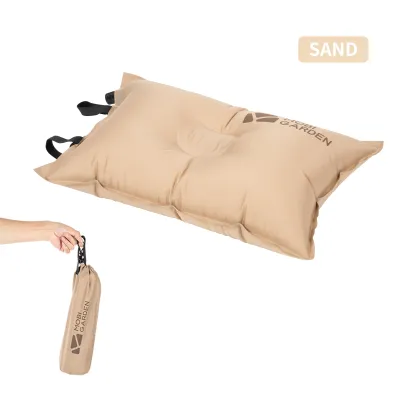

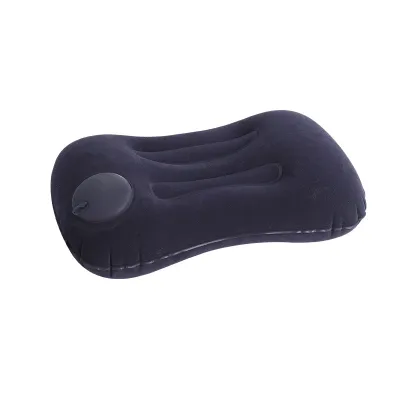
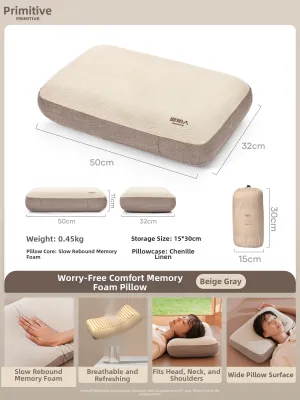
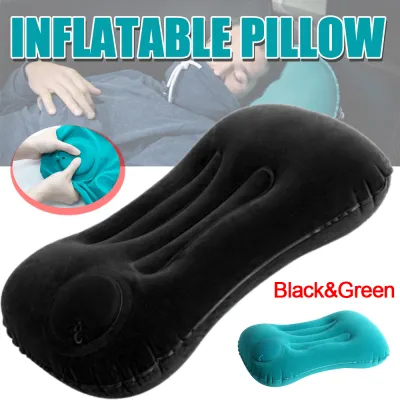

Prices are valid at publication and may change. Please refer to the product page for the latest price.
Furthermore, hammocks offer very limited headspace. As the fabric tapers toward the gathered ends, the usable width decreases significantly near your head. An oversized pillow will crowd this narrow space, pressing against the taut fabric walls and sliding upward and away from your shoulders. This constant shifting leaves your neck completely unsupported in the middle of the night.
Finally, lateral support is a critical requirement that ground pillows do not address. As you sleep, the gentle sway of the hammock or your own natural movements can cause a flat, rectangular pillow to tilt or slide sideways. Without a design that cradles the head, your skull is prone to rolling toward the curved edges of the hammock fabric. This lack of lateral stability forces your neck muscles to remain active throughout the night to keep your head centered, preventing you from entering deep, restorative sleep phases.
Essential Design Features for Hammock-Compatible Pillows
To filter out incompatible options, look for an inflatable pillow with a contoured or ergonomic shape. The most effective designs feature a curved, crescent, or “U-shaped” silhouette with a distinct recess in the center and raised outer edges. This central indentation cradles the back of your skull, keeping your head centered and preventing lateral rolling. Meanwhile, the thicker, curved lower edge fits snugly into the gap behind your neck, providing targeted support without elevating your head too high.

Another critical feature is a baffled or multi-chamber air design. Cheap, single-chamber inflatable pillows behave like balloons; when you rest your head on them, the air is displaced to the sides, creating an unstable, bouncy surface that wobbles with every movement. Multi-chamber designs partition the air into separate internal pockets or baffles. This structural division prevents the air from shifting rapidly, ensuring a stable, supportive surface that holds its shape even when you turn your head.
Given the slippery nature of nylon and polyester hammocks, non-slip surface textures or integrated attachment loops are indispensable. An inflatable pillow with a smooth, bare plastic backing will easily shoot out from under your head at the slightest movement. Look for pillows that feature silicone grip patterns on the underside, a textured flocked fabric, or built-in utility loops. These loops allow you to run a thin shock cord or accessory strap around your sleeping pad or attach it directly to your hammock’s structural ridgeline, keeping the pillow anchored exactly where you need it.
Lastly, prioritize pillows with highly adjustable firmness mechanisms. A simple twist valve or a push-button purge valve allows you to make micro-adjustments to the air pressure while you are lying down. Because hammock tension varies depending on how tightly you hang your suspension straps, you will need to adjust your pillow’s firmness every time you set up camp. A reliable valve lets you release tiny increments of air until the pillow conforms to the angle of your neck on that specific night.
Matching Pillow Dimensions to Your Hammock and Sleep Style
Selecting the right pillow size requires a clear understanding of your hammock’s dimensions and your personal sleeping posture. Start by evaluating the usable flat width of your hammock when you are laid diagonally. A spacious double hammock provides a wider, flatter pocket of fabric, which can accommodate a slightly wider pillow. Conversely, a narrow single hammock constricts the space around your head, meaning a wide pillow will bunch up against the sides, lose its ergonomic shape, and push your head into an uncomfortable position.
Your shoulder width also plays a major role in determining the ideal pillow profile. Broad-shouldered campers sleeping diagonally need a pillow that supports the neck without spilling over into the compressed side fabric of the hammock. If the pillow is too wide, the rising fabric of the hammock walls will squeeze the edges of the pillow, causing the center to bulge upward and increasing the loft beyond a comfortable level.
Your preferred sleeping posture in the hammock dictates the thickness, or loft, required. Back sleepers require very little loft—often just 2 to 3 inches of support—because the hammock fabric already lifts the head. If you sleep on your back, a thin, under-inflated pillow is ideal. Side sleepers, who must find a balance on the diagonal flat spot of the hammock, require a slightly thicker profile to fill the gap between the shoulder and the neck. However, even side sleepers in a hammock need less loft than they would on a flat ground pad, as the shoulder sinks slightly into the suspended fabric.
Avoid the temptation to buy oversized, luxury-sized camping pillows. While they may look comfortable in product photos, they consume valuable space inside the hammock. An oversized pillow can push against the gathered ends, slide down and crowd your shoulders, or even force your entire body down the hammock line, disrupting your diagonal lay and causing your legs to hang at uncomfortable angles. Keep your pillow compact, focusing on targeted neck support rather than overall surface area.
Material and Valve Checks for Humid Outdoor Environments
In the tropical climate of the Philippines, outdoor gear is subjected to intense humidity, frequent rain, and sweat. Therefore, evaluating the materials and construction of your inflatable pillow is essential for long-term durability and comfort. Begin by checking the manufacturer’s specifications for puncture resistance and seam welding quality. Look for pillows made from TPU-laminated polyester or nylon rather than cheap PVC, which can become brittle and crack. Ensure the seams are radio-frequency (RF) welded rather than glued, as high heat and humidity can degrade adhesives over time, leading to sudden seam failures.
The valve sealing mechanism is another critical point of failure. A slow leak can cause your pillow to deflate completely by midnight, leaving you resting against the cold, hard hammock fabric. Look for multi-layer valves with one-way flappers that prevent air from escaping during inflation, or secure twist-lock mechanisms that seal tightly under pressure. Avoid complex, multi-part valves that can easily trap dirt or sand, as even a single grain of debris can prevent a secure seal and cause a slow overnight leak.
Moisture management and mold prevention are paramount when camping in humid regions. Review the care instructions to ensure the pillow can be easily cleaned and dried. Avoid pillows with non-removable foam cores, as they trap moisture and sweat, making them breeding grounds for mold and mildew in tropical climates. Instead, opt for pure air pillows or those with fully removable, machine-washable covers.
Finally, verify the texture of the outer surface. Sleeping directly on bare plastic or TPU in warm, humid weather is highly uncomfortable, causing sweating, skin sticking, and annoying squeaking noises whenever you move. Look for pillows with a soft, breathable outer cover made of knit fabric, or at least a flocked surface that mimics the feel of brushed cotton. This layer absorbs minor moisture, keeps your skin cool, and significantly reduces noise, allowing for a much quieter and more comfortable night’s sleep.
Step-by-Step Setup and Adjustment Routine
To get the most comfort out of your inflatable pillow, follow a structured setup and adjustment routine once your hammock is hung.
First, practice partial inflation. Do not inflate the pillow to its maximum capacity, as a rock-hard pillow will roll around and push your neck into an awkward angle. Instead, inflate the pillow to about 50% to 60% of its total volume. This leaves the pillow pliable, allowing it to conform to both the curve of your neck and the natural contour of the suspended hammock fabric.
Next, position the pillow relative to your body and the hammock’s center line. Place the pillow slightly lower than you would on a standard bed, ensuring it sits directly under your neck and the base of your skull rather than under your shoulders. Align the pillow with your diagonal sleeping angle, keeping it centered along your personal body line rather than the hammock’s physical center seam.
Once you lie down and settle your full body weight into the hammock, perform a final adjustment. Reach behind your head and use the valve’s micro-adjustment button or twist mechanism to release small amounts of air. Stop releasing air when your spine feels properly aligned, your neck muscles relax, and there is no pressure pushing your chin toward your chest.
In the morning, follow proper deflation and storage protocols to protect your gear. Fully open the valve to expel all air, and fold the pillow carefully to avoid creasing the internal baffles or putting stress on the seams. Store the pillow inside its dedicated stuff sack, keeping it away from sharp gear like carabiners, zippers, or suspension straps in your backpack to prevent accidental punctures.
Frequently Asked Questions (FAQ)
Can I use a standard rectangular inflatable pillow in a hammock?
Yes, you can use a standard rectangular inflatable pillow in a hammock, but it requires some adjustments to prevent discomfort. Standard rectangular pillows are designed for flat ground sleeping and typically have too much loft, which can strain your neck in a curved hammock. To make a flat pillow work, inflate it to only about 30% to 40% of its capacity so it can mold to the shape of your neck. You can also wrap a piece of clothing, like a soft shirt, around the center of the pillow to create a makeshift contour. However, if you plan to camp in a hammock regularly, upgrading to an ergonomically shaped pillow is highly recommended for proper spinal alignment.
How do I prevent an inflatable pillow from slipping in a hammock?
Preventing an inflatable pillow from slipping is a common challenge because hammock fabrics like nylon are very smooth. To keep your pillow in place, choose a model that features a flocked top, a textured fabric cover, or silicone grip dots on the bottom. If your pillow does not have these features, you can use a shock cord or elastic strap to tether the pillow’s attachment loops to your hammock’s structural ridgeline. Alternatively, placing a high-friction layer, such as a cotton bandana, a microfiber travel towel, or a small piece of non-slip shelf liner, between the pillow and the hammock bed will create enough friction to keep the pillow securely anchored throughout the night.
Community discussion
Share your experience or ask a question. Comments are reviewed before publication.