
Selecting the ideal internal layout for your clothes storage cabinet is the key to maintaining an organized, stress-free bedroom. A well-planned wardrobe does more than just hold garments; it preserves your clothing investment, saves you time during busy mornings, and maximizes every square inch of your room. In tropical climates like the Philippines, where high humidity and seasonal shifts dictate what we wear, a thoughtful configuration also plays a critical role in preventing musty odors and fabric damage.
An optimized cabinet layout balances hanging rods, drawers, shelves, and specialized accessories to match your specific wardrobe. Instead of adapting your daily routines to a rigid, pre-made cabinet, you can design or select an internal system that mirrors your lifestyle. By taking the time to analyze your current inventory and understanding how different components function, you can create a highly efficient storage system that keeps your clothes fresh, accessible, and in pristine condition.
Assess Your Clothing Inventory and Daily Habits
Before purchasing any organizers or finalizing a cabinet layout, you must conduct a thorough audit of your current wardrobe. Begin by grouping your clothing into distinct categories, such as long dresses, formal wear, short-sleeve shirts, folded knits, activewear, and undergarments. This process reveals the actual volume of items you own and prevents you from overestimating or underestimating the storage types you require.
Products mentioned in this guide
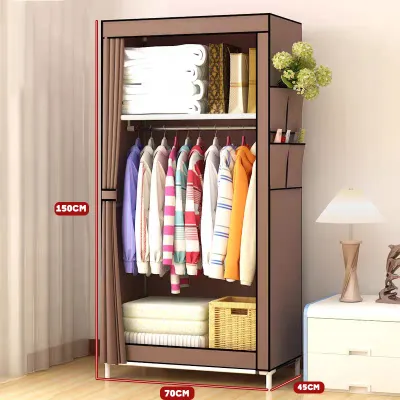
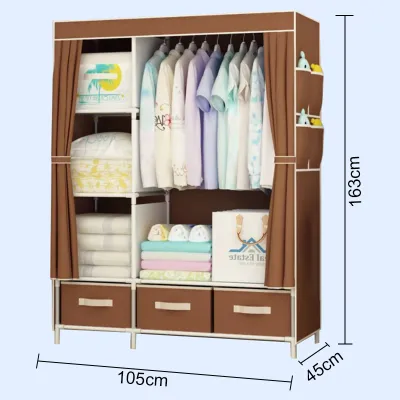
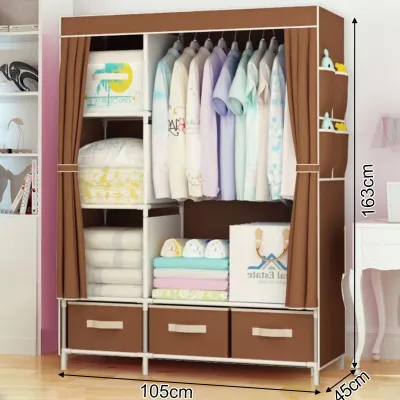
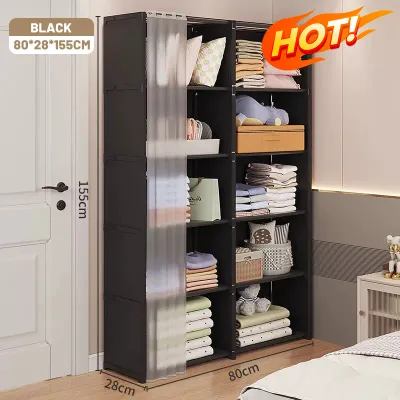
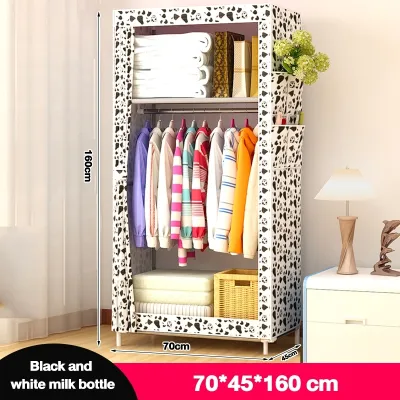
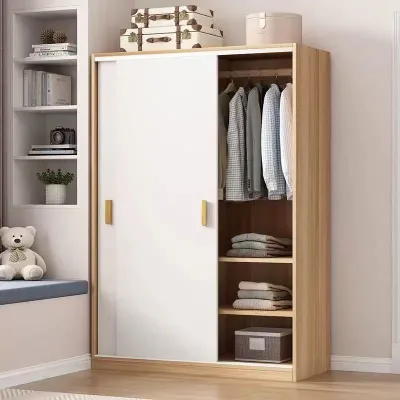
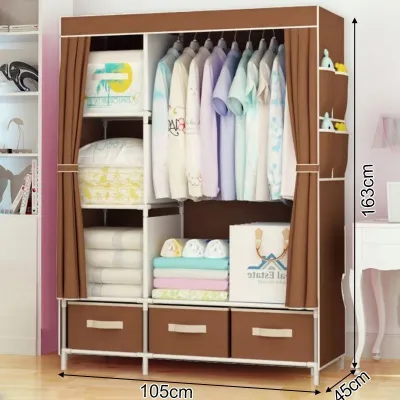
Prices are valid at publication and may change. Please refer to the product page for the latest price.
Once your clothes are categorized, estimate the ratio of hanging space to folded storage you will need. If your wardrobe consists mostly of delicate fabrics, linen trousers, and structured corporate wear, you will require a higher proportion of hanging rods to prevent creasing and minimize ironing. Conversely, if your daily wear is dominated by t-shirts, denim, and athletic wear, prioritized shelving and deep drawers will serve you much better.
Your daily routine should directly influence where items are placed within the clothes storage cabinet. Daily workwear, school uniforms, and frequently used accessories should occupy the most accessible areas of the cabinet, while seasonal items, travel gear, or formal garments can be relegated to less accessible zones. For example, during the rainy season, quick-access storage for light jackets and umbrellas becomes a priority, whereas lightweight summer wear might be packed away slightly deeper.
Finally, take physical measurements of your longest garments while they are hanging on actual hangers. Measuring from the top of the hanger hook to the bottom hem of your longest maxi dress, Barong Tagalog, or formal gown establishes the absolute minimum vertical clearance your hanging sections must provide. Skipping this step often results in beautiful long garments bunching at the bottom of the cabinet, leading to unsightly wrinkles and potential fabric wear.
Compare Core Internal Components and Accessories
Every clothes storage cabinet relies on a combination of core components to keep items orderly. Understanding the strengths and limitations of each fitting allows you to customize your cabinet to suit your specific storage habits.

Hanging Rods and Rails
Hanging rods are the backbone of any wardrobe layout, keeping garments visible and wrinkle-free. Standard fixed rods are highly durable and ideal for primary hanging zones, but you can also install double-tier rods to double your hanging capacity for shorter items like shirts, skirts, and folded trousers. For exceptionally tall cabinets, pull-down wardrobe rails use a hydraulic or manual lever mechanism to lower high-reaching rods to a comfortable level, making use of overhead space that would otherwise go wasted.
When selecting rods, always verify their material and weight capacity with the manufacturer. Untreated wooden dowels or thin plastic-coated rods can bow or snap under the weight of heavy denim, structured jackets, or wet-weather gear. Opt for heavy-duty, rust-resistant metal options such as chrome-plated steel or anodized aluminum, which withstand both high weight loads and the moisture common in humid tropical environments.
Shelves and Dividers
Shelves provide excellent flat storage for items that do not require hanging, such as folded t-shirts, jeans, and storage organizers. While fixed structural shelves provide essential lateral stability to the cabinet frame, incorporating adjustable shelving systems is highly recommended. Adjustable shelves allow you to reconfigure the vertical spacing as your wardrobe evolves, preventing wasted vertical space above short stacks of clothing.
To keep your open shelves tidy, consider adding physical dividers made of acrylic, wood, or fabric-covered wire. These dividers prevent tall stacks of folded clothes from toppling over into neighboring piles, maintaining visual order and making it easier to pull out a single item without disrupting the rest of the stack. They also help maintain air gaps between stacks, which is crucial for air circulation and preventing musty odors.
Drawers and Pull-Out Baskets
Enclosed drawers and open pull-out baskets offer two distinct ways to store loose or folded items. Enclosed wooden or composite drawers are excellent for concealing visual clutter, organizing small items like undergarments and socks, and protecting delicate silk or lace pieces from dust and ambient moisture. They provide a clean, streamlined look when the cabinet doors are open.
In contrast, pull-out wire or woven baskets offer high visibility and superior breathability. These baskets are ideal for storing activewear, towels, and casual cotton wear that benefit from continuous airflow to prevent mold and mildew growth. Because you can see through the wire mesh, you can locate specific items quickly without having to slide open multiple drawers.
Specialty Organizers
Specialty organizers can solve specific storage pain points but should be used selectively. Pull-out trouser racks keep multiple pairs of pants neatly creased and easily accessible, while velvet-lined jewelry trays protect watches, rings, and delicate accessories from scratches. Dedicated shoe shelves or angled racks can also keep your footwear collection organized within the same footprint.
Before committing to these specialized fittings, evaluate whether your current inventory truly justifies their inclusion. Specialty organizers often take up a fixed amount of space and lack the versatility of standard shelves or drawers. If your wardrobe habits change, a highly specialized jewelry drawer cannot easily be converted to store bulky sweaters, potentially leaving you with unusable space.
Divide Your Cabinet into Functional Storage Zones
Organizing your cabinet vertically based on ergonomic principles makes maintaining order effortless. By dividing the cabinet into three distinct vertical zones, you ensure that every item is stored according to its frequency of use and physical weight.
The Top Zone (Overhead Storage)
The top zone consists of the highest shelves, typically located above eye level and requiring a step stool to reach comfortably. This hard-to-reach area is best reserved for lightweight, seasonal, or rarely used items. Examples include spare bed linens, travel luggage, holiday decorations, or out-of-season clothing packed into breathable fabric storage bins.
Avoid storing heavy items in this overhead zone to maintain the structural integrity and safety of your clothes storage cabinet. Placing heavy boxes or equipment high up raises the cabinet’s center of gravity, increasing the risk of tip-over accidents. Additionally, retrieving heavy objects from above head height poses a significant safety risk and can lead to physical strain or injury.
The Middle Zone (Primary Access)
The middle zone is the most valuable real estate in your cabinet, stretching roughly from your waist to your eye level. Because this area requires no bending or stretching to reach, it should house your primary hanging rods and top-tier drawers. This is where you should store your everyday workwear, school uniforms, casual shirts, and frequently accessed daily accessories.
Designing this zone around your natural reach minimizes daily physical fatigue and keeps your morning routine running smoothly. When your most-used garments are positioned right in front of you, you are far less likely to disrupt surrounding piles of clothing while searching for an outfit, helping the cabinet stay organized for longer periods.
The Bottom Zone (Ground Level)
The bottom zone covers the area from the cabinet floor up to waist height, requiring you to bend or squat to access items. This lower section is ideal for heavy, bulky, or gravity-resistant items. Utilize this space for built-in shoe racks, heavy plastic storage tubs, or deep pull-out baskets containing linens and towels.
If the middle zone is fully utilized, the bottom zone can also accommodate a low-set hanging rod. This low rod is highly effective for hanging short garments like folded trousers, skirts, or children’s clothing. Placing heavier items and drawers at the very bottom of the cabinet also acts as a natural anchor, lowering the unit’s overall center of gravity and improving its stability.
Adapt the Configuration for Specific Needs and User Heights
A standard wardrobe layout may not work perfectly for everyone. To create a truly functional clothes storage cabinet, you must adapt the internal dimensions to the physical traits and living situations of the primary users.
- User Height Adjustments: Standard hanging rod heights of 1.8 to 2 meters can be difficult to reach for shorter individuals. If the primary user is shorter, lower the primary hanging rods to a comfortable reach and place adjustable shelves within their natural line of sight. For taller users, raise the rods to maximize the vertical drop below, preventing long coats or trousers from dragging on lower shelves.
- Shared Wardrobe Strategies: When two people share a single cabinet, clear spatial boundaries are essential to prevent daily friction. Split the middle zone into dual hanging sections or assign distinct drawer banks to each user. Utilizing color-coded hangers or distinct storage bin styles can also help visually divide the space and keep personal items from getting mixed up.
- Managing Awkward Structural Features: Be mindful of internal cabinet hinges, sliding door overlaps, and deep corner spaces. Avoid placing drawers or pull-out trays directly adjacent to door hinges, as the hinge hardware can block the drawer from sliding open fully. For deep, hard-to-reach corner cabinets, install pull-out L-shaped shelves or rotating trays to prevent clothes from getting lost in the dark corners.
- Hanger Clearance: Always leave at least 5 to 8 centimeters of vertical clearance between the top of the hanging rod and the shelf directly above it. This spacing ensures that you can easily lift hangers off the rod without scraping your knuckles or snagging delicate fabrics on the shelf underside.
Verify Clearances, Weight Limits, and Flexibility
Before finalizing your cabinet order or beginning assembly, perform a final validation check of all physical clearances and structural limits. This step ensures your planned configuration is safe, functional, and capable of adapting to your future needs.
First, verify that all pull-out components have a clear path of travel. Measure the depth of your drawers, pull-out baskets, and trouser racks when they are fully extended. Ensure they will not collide with open cabinet doors, internal hinges, or nearby bedroom furniture such as bedside tables or bed frames. If you have sliding doors, make sure the drawers are positioned in a section of the cabinet where the doors can slide completely out of the way.
Next, consult the manufacturer’s documentation to check the weight capacities of your shelves, rods, and drawer runners. Overloading a shelf with heavy bedding, books, or dense winter wear can cause the shelf to bow, damage the supporting pins, or cause the entire cabinet frame to warp over time. If you plan to store heavy items, distribute the weight evenly across multiple shelves and place the heaviest items on the bottom panel of the cabinet.
Prioritize modularity by choosing adjustable shelf pins and track systems over permanently fixed internal walls. A modular system allows you to easily reposition shelves, add new drawers, or remove a hanging rod as your clothing style and storage needs change over the years. This flexibility extends the lifespan of your furniture, saving you the cost of replacing the entire cabinet in the future.
Safety Warning and Stop Condition: If during planning or assembly you notice that the cabinet structure feels unstable, wobbles when doors are opened, or if the planned storage load exceeds the manufacturer’s stated weight limits, stop immediately. Furthermore, if your desired configuration requires cutting, drilling, or modifying load-bearing panels or side gables, do not proceed on your own. Stop and consult a professional carpenter or the furniture manufacturer to ensure the cabinet is properly anchored to the wall and remains structurally safe for daily use.
Frequently Asked Questions (FAQ)
How much vertical hanging space do I need for long dresses and coats?
As a general rule, full-length garments such as maxi dresses, trench coats, and traditional formal wear require a vertical hanging height of 140 to 170 centimeters of clear space. Shorter items, including button-down shirts, blouses, jackets, and trousers folded over a hanger, typically need between 90 and 105 centimeters of vertical space. To find your exact requirement, hang your longest garment on a standard hanger and measure from the top hook to the bottom hem. Always add an extra 5 to 10 centimeters of clearance at the bottom to prevent the fabric from bunching on the cabinet floor and to allow adequate air circulation, which helps prevent musty odors.
Are pull-out wire baskets better than standard wooden drawers for a clothes storage cabinet?
Neither option is universally superior; the best choice depends on your local climate, room conditions, and the types of clothing you store. Pull-out wire baskets offer exceptional breathability and visibility, making them ideal for high-humidity tropical environments because they allow air to circulate freely around activewear, towels, and casual cottons, reducing the risk of mold. However, they do not protect items from dust or pests. Standard wooden drawers provide excellent dust protection and a cleaner, more premium aesthetic, making them the preferred choice for delicate fabrics, undergarments, and formal wear. A balanced cabinet configuration often utilizes a combination of both storage types.
Community discussion
Share your experience or ask a question. Comments are reviewed before publication.