
Why Proper Chair Dimensions Matter for Study Posture
Creating an ergonomic kids study corner is one of the most impactful steps you can take to support your child’s academic journey. In many homes across the Philippines, children spend hours at their desks completing homework, reading, or attending online classes. However, pairing a desk with an improperly sized kiddie chair can quickly lead to physical discomfort and a loss of concentration. When a child’s seating does not support their natural posture, their body works twice as hard to maintain stability, leaving less energy for learning and cognitive focus.
Spinal health is a long-term investment that begins during these formative years of rapid skeletal development. A poorly fitted chair forces the body into unnatural positions, which can lead to chronic neck, shoulder, and lower back strain over time. By prioritizing ergonomic alignment now, you help prevent early postural issues, promote healthy blood circulation, and foster a positive association with desk-bound tasks.
Identifying a mismatched seating setup is relatively straightforward if you know what signs to watch for during daily study sessions. Children rarely complain of ergonomic strain directly; instead, they express discomfort through observable behavioral cues. Look for frequent slouching, dangling feet that swing restlessly, leaning heavily to one side, or resting their chin on their hands. If your child constantly slides forward to the edge of the seat or hunches over their books, the chair is likely failing to provide adequate support.
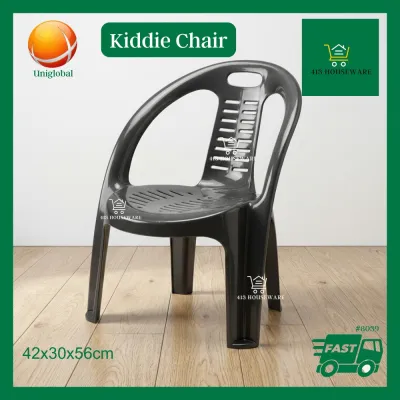
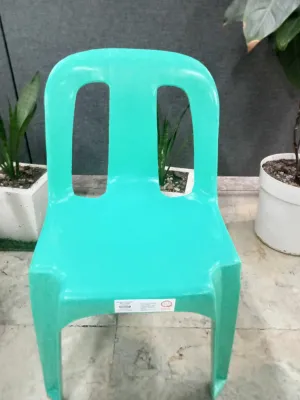
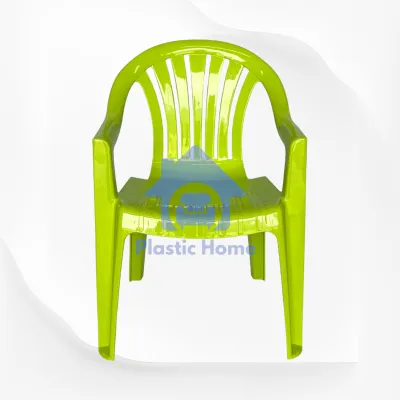
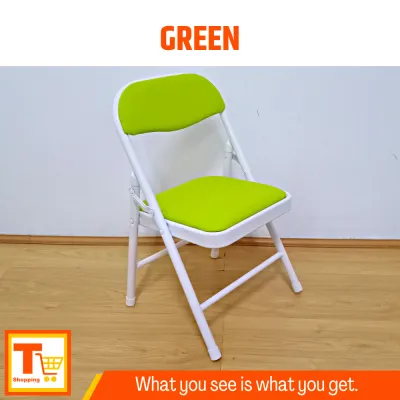
Products mentioned in this guide

![[IN STOCK] 552 Rattan Kiddie Chair](https://img.lazcdn.com/g/p/263f9dda2d0d5146500bef92834be3ee.png_400x400q80.png_.webp)
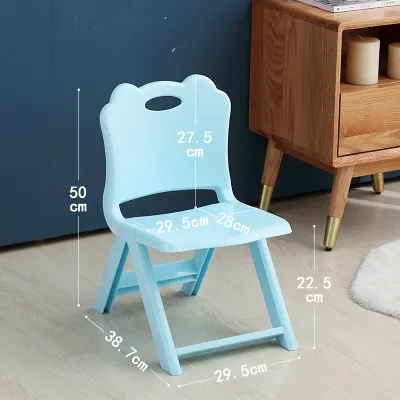
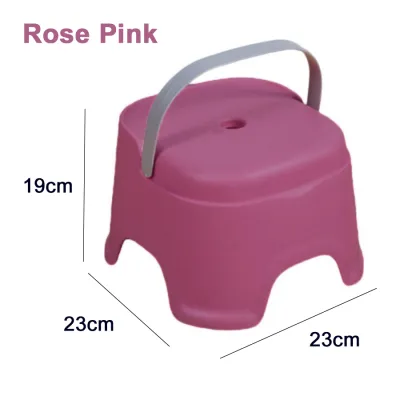
Prices are valid at publication and may change. Please refer to the product page for the latest price.
Step 1: Measure Your Child and the Existing Desk
Before browsing local furniture stores or online marketplaces, you must gather precise measurements of both your child and their existing desk. Guessing dimensions often leads to mismatched furniture that is difficult to return or adjust. To begin, prepare a standard metal measuring tape, a notepad, and a pen to record your findings. It is best to take these measurements in the actual room where the study corner is located, ensuring you account for spatial constraints, doorway clearance, and nearby power outlets. Additionally, consider the finished dimensions of the chair to ensure it can easily pass through your doorways or fit inside a residential lift if you live in a high-rise condominium.

Start by measuring your child’s lower leg length, also known as the popliteal height. Have your child sit on a flat, firm bench or step stool where their knees can bend at a natural angle. Measure the vertical distance from the floor to the crease behind their knee. Next, measure their total standing height from the soles of their feet to the top of their head, which helps determine the appropriate backrest height.
Once you have your child’s measurements, turn your attention to the study desk. Measure the vertical distance from the floor to the top surface of the desk, and note the thickness of the tabletop or any under-desk drawers. These physical dimensions are critical because they dictate the maximum seat height that can safely slide under the desk frame when the chair is not in use.
For the most accurate results, perform these measurements while your child is barefoot or wearing their typical indoor slippers. In many Filipino households, children study while wearing light rubber slippers (tsinelas) or going completely barefoot on cool tiled floors. Because even a single centimeter of footwear thickness can alter how flat their feet rest on the floor, measuring them in their usual study state ensures a more realistic and comfortable fit.
Step 2: Determine the Ideal Seat Height
The most critical dimension of any kiddie chair is its seat height, as it establishes the foundation for the entire body’s alignment. The golden rule of pediatric ergonomics is the “Feet Flat” principle. When seated, your child’s feet must rest completely flat on the floor or a solid footrest. If the seat is too high, the weight of the dangling legs pulls the pelvis forward, flattening the natural curve of the lower back and placing excessive pressure on the back of the thighs, which restricts blood flow.
To verify this, observe the angle of your child’s knees when their feet are flat. The knees should form an open angle between 90 and 100 degrees, with the knees positioned at or slightly below hip level. This slight downward slope of the thighs helps maintain the natural lumbar curve of the spine and prevents the child from slouching backward. If the knees are pushed up higher than the hips, the seat is too low, shifting the child’s body weight entirely onto the sit bones and causing rapid fatigue.
Another critical factor is desk clearance, which is the vertical space between the top of your child’s thighs and the underside of the desk surface or drawer assembly. There should be at least three to four inches of clear space to allow for comfortable leg movement, shifting, and air circulation in warm, tropical climates. If the clearance is too tight, the child’s legs will feel trapped, making it difficult to pull the chair close enough to the desk for comfortable writing.
In many homes, parents pair a child’s chair with a standard adult-height desk (typically 75 centimeters tall). If you find yourself in this scenario, a standard-height kiddie chair will leave the child reaching upward, straining their shoulders and neck. To resolve this, choose a height-adjustable chair that can be raised to match the desk height, and pair it with a sturdy, elevated footrest. This configuration ensures the arms can rest comfortably on the desk while the feet remain firmly supported, eliminating the risk of dangling legs.
Step 3: Evaluate Seat Depth, Width, and Backrest Fit
While seat height regulates vertical alignment, the horizontal dimensions of the chair govern thigh support and spinal contact. Seat depth is the distance from the front edge of the seat cushion to the backrest. To test for proper depth, have your child sit all the way back so their buttocks and lower spine make firm contact with the backrest. In this position, there should be a gap of two to three inches (roughly the width of two or three fingers) between the back of their knees and the front edge of the seat.
If this gap is too small or nonexistent, the front edge of the seat will press against the sensitive blood vessels and nerves behind the knees, causing numbness or tingling. To avoid this pressure, children will naturally slide forward away from the backrest, which completely deprives their spine of support and leads to severe slouching. Conversely, if the seat is too shallow, it will not support enough of the thighs, making the seating position feel unstable and causing the child to slide off the front.
Seat width must also accommodate natural physical movement without being overly restrictive. A proper study chair should offer enough lateral space for the child to shift slightly without feeling squeezed by the frame or armrests. However, avoid excessively wide chairs designed for adults, as they lack lateral stability and make it difficult for small arms to reach armrests or maintain a centered posture.
The backrest and its integrated lumbar support play a crucial role in maintaining the spine’s natural curve. A well-designed backrest should contour gently to the lower back, providing firm support without pushing the child’s torso too far forward or hitting their shoulder blades at an awkward angle. When evaluating materials, look for breathable mesh or high-density foam with robust stitching and durable joints, which can withstand both active movement and the high humidity levels common in the Philippines. Always check the manufacturer’s specified load capacity and stability ratings to ensure the frame can safely support your child’s weight as they grow.
Step 4: Verify the Setup Using the 90-90-90 Ergonomic Rule
Once you have adjusted the chair and desk pairing, you can verify the ergonomics using the classic 90-90-90 rule. This easy-to-remember checklist allows you to evaluate your child’s posture in real time during active study sessions. Begin at the bottom: the ankles should be bent at a 90-degree angle with the feet resting flat on the floor. Moving upward, the knees should also form a 90-degree bend, keeping the thighs parallel to the ground and free from under-seat pressure.
The third 90-degree angle occurs at the hips, where the thighs meet the upright torso. The child’s lower back should be fully supported by the backrest, allowing them to sit comfortably upright or with a very slight, relaxed recline of up to 100 degrees. This posture distributes body weight evenly across the seat cushion and backrest, minimizing muscular effort and preventing fatigue during longer homework sessions.
Finally, perform the elbow check to ensure the desk and chair heights are perfectly synchronized. When your child places their hands on the desk to write, draw, or type, their elbows should form a comfortable 90-degree angle. Their shoulders should remain relaxed and dropped, not shrugged upward or pulled forward. If their elbows are forced outward or their shoulders are tense, the desk is either too high or the chair is too low.
Keep a watchful eye out for warning signs that indicate it is time to stop and readjust the setup. If you notice your child shrugging their shoulders, sliding their hips forward to the edge of the seat, or hunching their upper back over their books, their muscles are tiring due to a lack of proper support. Regular observations during study time will help you catch these subtle postural shifts before they develop into persistent habits or physical discomfort.
Adapting for Growth: Fixed vs. Adjustable Kiddie Chairs
As children grow rapidly, parents must decide between a fixed-size kiddie chair and a height-adjustable model. Adjustable chairs offer a highly versatile solution, allowing you to modify the seat height, seat depth, and sometimes even the backrest height as your child grows. While these models often represent a higher initial financial investment, typically ranging from ₱3,000 to over ₱10,000 in the local market, their ability to adapt to multiple growth spurts makes them a cost-effective choice over several years.
On the other hand, fixed-size chairs offer distinct advantages in terms of simplicity, structural stability, and affordability. They are particularly well-suited for younger toddlers who are just starting to explore drawing or sensory play at a low activity table. A fixed chair has no moving parts, making it highly durable, easy to clean, and free from mechanical failure. These chairs also serve beautifully as secondary seating options in a reading nook or play area where absolute ergonomic precision is less critical.
If you are working with a fixed-size chair that your child has partially outgrown, you can use ergonomic accessories to extend its usable lifespan. Adding a firm, high-density foam seat cushion can raise a child who sits too low relative to the desk, while a small lumbar pillow can bridge the gap for a child whose back does not reach the backrest. Likewise, placing a sturdy wooden block or a dedicated footrest under their feet can instantly resolve the issue of dangling legs.
When choosing or adjusting any chair, safety must remain your top priority. For adjustable models, regularly inspect all locking pins, hand screws, and pneumatic gas lifts to ensure they are securely tightened and functioning correctly. Verify that the chair’s base is wide and stable enough to prevent tipping, especially when a child leans back or climbs onto the seat. Additionally, check that any adjustment mechanisms are designed to prevent pinching hazards, keeping curious young fingers safe from harm.
Frequently Asked Questions (FAQ)
Should a child's study chair have armrests?
Bulky armrests can restrict your ability to pull the chair close to the desk, forcing your child to lean forward and hunch over their work surface. If your chosen chair does have armrests, make sure they are low enough to slide completely under the desk frame, or opt for a model with adjustable or removable arms to maintain a clean, unobstructed workspace.
How often should I check my child's chair height?
It is best to evaluate your child’s study setup every 3 to 6 months, or immediately following a noticeable growth spurt. Children grow rapidly, and a chair that fit perfectly at the start of the school year may cause discomfort or posture issues by the holiday season. Regular checks ensure the setup remains ergonomically sound year-round.
Is a footrest necessary if the chair is the right height?
If the chair is correctly sized for your child and their feet already rest completely flat on the floor with their knees at a comfortable 90-degree angle, a footrest is not necessary. A footrest is only required if you must raise the chair to match a taller, adult-sized study desk, leaving your child’s feet dangling in the air.

Community discussion
Share your experience or ask a question. Comments are reviewed before publication.