
Preparing for a new school year involves more than just buying notebooks and uniforms. Setting up a dedicated study space is essential for helping your child focus, and the foundation of that space is a supportive study chair. A proper kids’ study chair must adapt to your child’s growing body, fit seamlessly with their desk, and withstand daily use. In the Philippines, where students often spend hours at their desks completing homework and projects, choosing a chair that promotes healthy posture while keeping them cool in a tropical climate is key to a successful school year. Parents need to look beyond bright colors and cartoon designs to evaluate physical dimensions, adjustability ranges, and structural stability.
Essential Ergonomic Features for Proper Posture
When evaluating kids’ chairs, ergonomic features should be your top priority. Children’s bodies grow rapidly, meaning a static chair will quickly become uncomfortable or even detrimental to their physical development. Look for a chair with a reliable seat height adjustment mechanism, typically operated by a smooth gas lift or a secure manual screw system. This allows you to raise or lower the seat so your child’s feet rest flat on the floor, which is the foundation of good sitting posture.
Seat depth adjustability is another critical feature that is often overlooked. The seat pan should support the thighs without pressing against the back of the knees. If a seat is too deep, the child will either slouch forward to let their knees bend or lean back without proper lumbar support. A chair with an adjustable seat slide allows you to customize the depth, ensuring there is a small gap—about the width of two or three fingers—between the edge of the seat and the back of your child’s knees.
Products mentioned in this guide
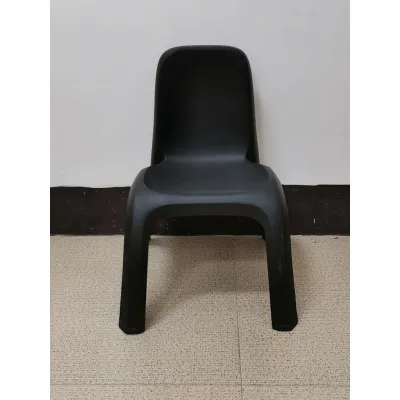

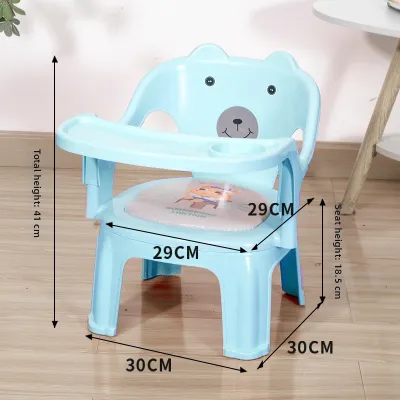
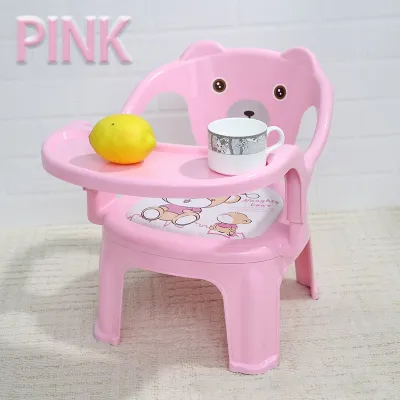

Prices are valid at publication and may change. Please refer to the product page for the latest price.
The backrest must offer targeted lumbar support to maintain the natural curve of the spine. Look for a contoured backrest that cradles the lower back. Some advanced models feature height-adjustable backrests, allowing the lumbar support to move upward as your child grows taller. This prevents slouching and reduces muscle fatigue during longer reading or writing sessions.
For younger or shorter children, standard desk heights are often too high. To reach the desk comfortably, the chair must be raised, leaving the child’s feet dangling. This is where an integrated, adjustable footrest becomes essential. A sturdy foot ring or platform provides a stable surface for their feet, preventing leg strain and helping them maintain a stable sitting position.
Finally, consider the upholstery materials, especially given the warm and humid climate in the Philippines. Heavy, non-breathable fabrics or synthetic leathers can trap heat and sweat, leading to discomfort and distraction. Opt for high-density mesh backrests that promote airflow, keeping your child cool during warm afternoons. For the seat cushion, look for high-resilience foam covered in breathable, stain-resistant fabric that is easy to spot-clean after accidental spills.
How to Match the Chair to Your Child and Desk
A high-quality ergonomic chair only works effectively if it is properly matched to both your child’s physical dimensions and the desk they use. The golden standard for healthy sitting posture is the 90-90-90 rule. When seated, your child’s hips, knees, and ankles should all form 90-degree angles. Their feet must rest flat on the floor or a footrest, their thighs should be parallel to the ground, and their back should be fully supported by the backrest. This alignment distributes body weight evenly and minimizes strain on developing joints and muscles.

To achieve this alignment, you must verify the clearance between the chair and the desk. Measure the height of the desk surface and compare it to the chair’s maximum and minimum seat heights. When your child sits at the desk, their elbows should rest comfortably on the desktop at a 90-degree angle without their shoulders being hunched or drooping. If the chair has armrests, ensure they can slide completely under the desk when the chair is pushed in. Armrests that bump against the desk edge prevent the child from sitting close enough to their work, forcing them to lean forward and strain their neck.
You must also check the under-desk clearance. Many study desks feature built-in drawers, keyboard trays, or structural crossbars that reduce the available space underneath. Measure the distance from the floor to the lowest point under the desk to ensure there is ample room for your child’s legs and the chair’s seat pan. If the space is too tight, your child may constantly bump their knees, leading to discomfort and a reluctance to use the study area.
Because children experience rapid growth spurts, planning for the future is essential. Avoid buying a chair that fits perfectly right now but has no room for adjustment. Instead, look for models with wide adjustment ranges that can accommodate several years of growth. Check the manufacturer’s specifications for the recommended age and height ranges. Investing in a highly adjustable chair might carry a higher upfront cost, but it saves you from having to purchase a replacement chair every one or two years.
Comparing Common Types of Kids Study Chairs
As you browse online marketplaces or local furniture showrooms, you will encounter several distinct styles of children’s seating. Understanding the differences in mobility, stability, and engagement will help you select the best option for your child’s age, personality, and study habits.
Adjustable Task Chairs with Casters
Adjustable task chairs with wheels, or casters, are highly popular for older children and teenagers. These chairs offer excellent mobility, allowing students to transition easily between different areas of their desk, such as moving from a computer screen to a textbook or a nearby bookshelf. The swivel mechanism and rolling base make it easy to get in and out of the chair, which is particularly convenient in tight study corners.
When choosing a wheeled chair, pay close attention to the type of casters. Hard nylon casters are ideal for carpeted floors, while soft polyurethane or rubber-coated casters are better suited for hard surfaces like ceramic tiles or wooden laminate, as they prevent scratching and roll more quietly. For younger children who might be distracted by a rolling chair, look for models equipped with weight-activated braking mechanisms, often called gravity brakes. These casters lock automatically when weight is applied to the seat, keeping the chair firmly in place while your child is studying and unlocking only when they stand up.
Additionally, ensure the chair features a stable five-star base. A five-legged base provides superior stability compared to four-legged designs, significantly reducing the risk of the chair tipping over when your child leans back or reaches for an item on the desk.
Stationary Ergonomic Chairs
For younger children, or those who easily lose focus, stationary ergonomic chairs are often the preferred choice. These chairs lack wheels and swivel mechanisms, providing a stable, fixed foundation that minimizes physical distractions. Without the ability to spin or roll around the room, children are more likely to remain focused on their reading, writing, or drawing tasks.
Stationary chairs typically feature a wide, heavy base footprint to eliminate tipping risks. Since younger children tend to climb onto chairs or sit in unusual positions, a low center of gravity and a robust frame are essential safety features. Look for designs with solid wood or heavy-duty steel frames that remain firmly planted on the floor.
Adjusting a stationary chair should be simple and secure. Many models use manual knobs or pin-lock systems to adjust the seat and footrest heights. While these adjustments may take slightly longer to configure than a gas lift, they are highly secure and cannot be accidentally triggered by a curious child. Stationary chairs are highly versatile and perform exceptionally well on both hard floors and carpeted areas, as they do not rely on rolling mechanisms that can get stuck or damage delicate surfaces.
Active Sitting Stools
Active sitting stools, such as wobble stools or balance stools, represent a modern approach to children’s seating. These stools feature a rounded or flexible base that allows for gentle rocking, tilting, and swiveling. This design requires the child to engage their core muscles and make continuous micro-adjustments to stay balanced, which can help channel excess energy and improve concentration, particularly for children who find it difficult to sit still.
Because active sitting requires continuous muscular engagement, these stools are best suited for older children who have developed sufficient core strength. It is important to note that active stools are generally not intended for long, uninterrupted study sessions. Instead, they are ideal for shorter tasks, such as reading or a quick drawing activity. For extended homework sessions, they should be paired with a traditional, supportive ergonomic chair to prevent muscle fatigue.
When selecting an active stool, look for models with a heavily weighted, non-slip rubber base to ensure the stool does not slide out from under the child. Height adjustability is still important, so choose a model with an easy-to-use adjustment mechanism that allows the stool to grow alongside your child.
Pre-Purchase Checklist: Space, Safety, and Setup
Before making your final decision and placing an order, it is crucial to run through a practical checklist to ensure the chair will fit your home and meet safety standards. Taking a few minutes to measure your space and review product specifications can prevent the hassle of returns or assembly issues.
First, measure the physical footprint of the chair’s base. Ensure there is enough clear floor space behind the desk for the chair to slide out fully. Ideally, you should have ample unobstructed space behind the desk to allow your child to sit down and stand up comfortably. If the study area is in a narrow hallway or a small bedroom, a chair with a compact base footprint or folding armrests may be necessary. Don’t forget to measure your doorways, hallways, and stairwells to guarantee that the delivery box or a pre-assembled chair can easily pass through to the designated room.
Next, verify the manufacturer’s weight capacity limits. Even though the chair is designed for children, choosing a model with a generous weight limit ensures long-term durability and safety, especially if older siblings or adults occasionally sit in the chair. Check the warranty terms provided by the manufacturer or retailer. A solid warranty on structural components, such as the frame, gas lift, and adjustment mechanisms, is a good indicator of the chair’s build quality and the manufacturer’s confidence in its durability.
Finally, review the assembly requirements. Many ergonomic chairs purchased online are shipped flat-packed and require self-assembly. Check if the package includes all necessary tools, such as hex keys, or if you will need your own tools like a screwdriver. Read customer reviews or product descriptions to gauge how straightforward the assembly process is. If the study setup includes a combined desk and shelving unit, check if the manufacturer recommends anchoring the desk to the wall to prevent any tipping hazards when the chair is pushed against it or if your child climbs on the furniture.
Frequently Asked Questions (FAQ)
How often should I adjust my child's study chair?
You should check and adjust your child’s study chair at least twice a year, typically before the start of the school year and midway through. Children grow in spurts, and a chair that fit perfectly six months ago may now be causing them to slouch or dangle their feet. Look for visual cues, such as their knees rising above their hips, their shoulders hunching forward to reach the desk, or their feet no longer resting flat on the floor or footrest. Always check the manufacturer’s adjustment limits and ensure the seat height is set below the maximum safety marker indicated on the gas lift cylinder.
Are chairs with wheels safe for young children?
Chairs with wheels can be safe for young children if they are equipped with the right safety features, but stationary chairs are generally recommended for children under the age of six. If you choose a wheeled chair for a younger child, look for models with weight-activated braking casters that lock the wheels when the child sits down, preventing the chair from rolling away unexpectedly. To protect your floors and provide a stable surface, consider using a non-slip chair mat. Always supervise younger children during their study time to ensure they do not use the wheeled chair as a toy or a climbing step.
What is the ideal distance between the chair seat and the desk surface?
The ideal distance between the top of the chair seat and the top of the desk surface typically ranges between 20 and 30 centimeters, depending on your child’s height. To find the perfect distance, have your child sit in the chair with their shoulders relaxed and elbows bent at a 90-degree angle. The height of the desk should align closely with the underside of their forearms. Be sure to check for any under-desk obstructions, such as drawers or support beams, and adjust the chair’s armrests so they do not hit the desk edge, allowing your child to sit close enough to work comfortably.

Community discussion
Share your experience or ask a question. Comments are reviewed before publication.