
Preparing a dedicated study corner for the upcoming school year involves more than just picking a desk; the seating you choose directly impacts a child’s posture, comfort, and ability to focus. Since children grow quickly and study habits evolve, selecting the right stool requires balancing ergonomic support, adjustability, and spatial constraints. This guide outlines the essential selection criteria, compares common stool designs, and provides a practical evaluation checklist to help you build an effective and safe back-to-school desk setup.
By focusing on ergonomic alignment and practical design, parents can create an inviting study corner that adapts to a child’s rapid growth. The ideal seating solution supports natural posture, fits the existing desk height, and stands up to daily wear. This guide explores the essential features, design types, and safety checks necessary to select a reliable study stool for the upcoming school year.
Essential Features to Look for in a Kids' Study Stool
Children grow at a rapid pace, making static furniture a short-term solution. A high-quality stool for kids should offer reliable height adjustability to keep pace with physical development. Look for manual pin locks, threaded spindles, or gas lift mechanisms that allow smooth vertical transitions. Additionally, adjustable footrests are crucial for younger children whose feet cannot yet reach the floor, as dangling legs can strain the lower back and restrict circulation.
Products mentioned in this guide
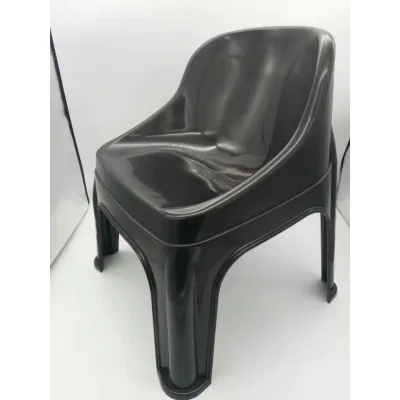
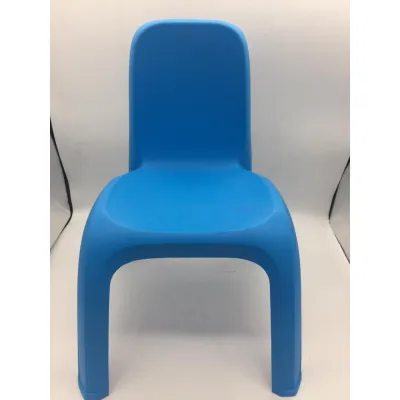
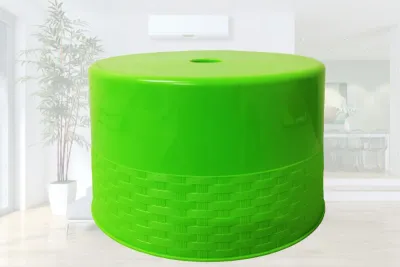
Prices are valid at publication and may change. Please refer to the product page for the latest price.
Ergonomics in a stool design focus on maintaining the natural curve of the spine. Even in backless or low-back designs, the seat pan should feature a subtle contour that helps distribute body weight evenly. Look for a waterfall front edge—a rounded downward slope at the front of the seat—which prevents the edge from pressing into the back of the child’s knees. Adequate seat depth is also necessary; the child should be able to sit fully back without the seat edge forcing them to slouch forward.
Active children require a highly stable seating base to prevent accidental tipping. A wide, multi-legged base—typically featuring five points of contact for wheeled models or a broad, heavy ring for stationary designs—provides the necessary resistance against sudden shifts in weight. Anti-slip rubber pads or locking casters are essential additions that keep the stool firmly in place during active writing or reading tasks. When evaluating a stool, check that the center of gravity remains low and centered, even when the seat is adjusted to its maximum height.
The tropical climate of the Philippines introduces specific challenges regarding humidity and heat. Seating materials must remain comfortable during warm afternoons and resist moisture buildup. Breathable mesh, treated wood, or high-density polyurethane are excellent choices that do not trap heat or sweat. Parents should prioritize surfaces that are easy to wipe clean with a damp cloth, as study spaces frequently double as areas for art projects and snacks. Always check the manufacturer’s care labels to verify which cleaning agents are safe for the specific finish, rather than assuming a material is universally chemical-resistant.
Comparing Common Stool Types for Different Study Needs
Classic fixed-height stools offer a timeless aesthetic and exceptional structural simplicity. Because they lack moving parts, these stools are highly durable and rarely require maintenance or hardware checks. They are best suited for older children or teenagers who have already reached a stable height that matches standard-height desks. However, because they cannot be adjusted, parents must carefully measure both the stool and the desk beforehand to ensure a proper fit, as there is no room for error as the child grows.

Designed specifically to grow alongside your child, height-adjustable ergonomic stools are highly versatile options for a back-to-school setup. These models typically utilize a gas lift cylinder or a manual peg system to alter the seat height, making them compatible with various desk heights over several years. Many of these stools also feature integrated, adjustable footrests and contoured seats that support proper pelvic alignment. While they require periodic checks to ensure the adjustment mechanisms remain secure, their long-term utility makes them a highly practical investment for growing families.
Active sitting stools, such as wobble, balance, or saddle designs, are engineered to encourage subtle, continuous physical movement. These stools feature rounded bases or pivoting seats that require the user to engage their core muscles to stay upright. This dynamic movement can help children who struggle to sit still maintain focus during shorter study intervals or creative tasks. However, active sitting designs may cause muscle fatigue during extended writing or reading sessions, making them better suited as secondary seating options or for short, high-energy tasks rather than all-day study.
If your child uses an elevated desk, a drafting table, or a standing-desk converter, a drafting stool with an integrated foot ring is an excellent choice. These stools provide the extra height needed to reach elevated work surfaces while ensuring the child’s feet do not dangle awkwardly. When selecting a drafting stool, it is critical to verify the load-bearing specifications of the foot ring itself, as children will naturally use it as a step to climb onto the seat. Ensure the foot ring can be locked securely at the correct height to prevent it from slipping down under the child’s weight.
How to Verify Fit and Safety Before You Buy
The most reliable way to verify if a stool fits your child is by applying the 90-90-90 posture rule. When seated, the child’s hips should be bent at a 90-degree angle, their knees should form a 90-degree bend, and their ankles should rest at a 90-degree angle with feet flat on a solid surface. If the child’s feet dangle, a sturdy footrest must be introduced to support their weight. This alignment minimizes strain on the developing spine, reduces muscle fatigue, and helps the child remain comfortable and focused for longer periods.
Before purchasing any stool from a local retailer or an online marketplace, always locate and read the official manufacturer specifications. Do not rely on visual estimates or generic age recommendations, as children of the same age can vary significantly in height and weight. Check the maximum weight capacity and the exact seat height range to ensure the stool can safely support your child throughout the school year. These specifications are typically printed on a label underneath the seat or detailed in the product manual.
Regular safety inspections are vital to prevent accidents in the study corner. Examine all adjustable parts, locking pins, and tension knobs to ensure they tighten securely and do not slip under pressure. Check for potential pinch points—areas where small fingers could get caught in folding or sliding mechanisms—and ensure that any protective plastic covers are intact. If the stool features wheels, verify that the casters roll smoothly and lock reliably when weight is applied, preventing the stool from rolling away unexpectedly.
Safety should always be the primary concern when setting up children’s furniture. If you notice signs of structural wear, such as hairline cracks in plastic bases, loose joints in wooden frames, or stripped threads on adjustment screws, stop using the stool immediately. Never attempt to modify the stool or use non-standard replacement parts that conflict with the manufacturer’s assembly instructions. If a component is missing or damaged, contact the manufacturer or a qualified professional to obtain authorized replacement parts or advice on repair.
Optimizing the Stool and Desk Setup for Focus
Achieving the perfect seating height is only half the battle; you must also ensure proper clearance between the stool and the desk. Measure the vertical gap between the top of the stool’s seat cushion and the underside of the desk frame or drawer unit. There should be sufficient space for the child’s thighs to slide underneath comfortably without rubbing against the desk structure. This clearance allows the child to sit close enough to the desk to write without leaning forward, protecting their neck and shoulder alignment.
In many Filipino households, study corners are integrated into bedrooms or shared living spaces where floor area is limited. When planning your setup, account for the stool’s full footprint, including the clearance needed to slide the stool back when standing up or sitting down. If space is exceptionally tight, a backless stool that slides completely under the desk when not in use can help keep walkways clear. Ensure there is enough room around the desk for the child to maneuver safely without bumping into walls, doors, or other furniture.
A well-organized study environment minimizes distractions and keeps the child focused on their schoolwork. Position the stool so that essential materials, such as textbooks, notebooks, and writing utensils, are within easy arm’s reach. The child should not have to twist their torso or stretch excessively to reach their supplies, as repetitive twisting can strain young muscles. Additionally, ensure that lighting controls and power outlets for study lamps or laptops are safely accessible from the seated position, reducing the need to constantly stand up and disrupt their workflow.
Frequently Asked Questions (FAQ)
At what age should a child transition from a regular chair to a dedicated study stool?
Children typically transition to a dedicated study stool around the age of six or seven, coinciding with the start of primary school. At this developmental stage, children begin to engage in more structured, desk-based activities that require sustained focus. The transition is appropriate when the child can sit independently with their back straight and has the physical coordination to safely climb onto and off the stool. Providing proper foot support during this transition is essential to help them adapt to the new seating height.
Are backless stools safe and appropriate for long study sessions?
Backless stools can be highly beneficial for short-to-medium study sessions, as they naturally encourage active sitting and core muscle engagement. However, they are generally not recommended for long, uninterrupted study sessions exceeding an hour, as the lack of back support can lead to muscle fatigue and slouching as the child tires. If you choose a backless design, it is best used for dynamic tasks, creative projects, or paired with regular movement breaks to prevent physical strain.
How often should I check and readjust the stool's height?
It is highly recommended to check and readjust your child’s study stool at the start of every school term, or roughly every three to four months. Children experience rapid growth spurts that can quickly alter their ergonomic alignment. Use the 90-90-90 posture rule as your primary guide during these checks, ensuring that their feet remain flat and their thighs clear the underside of the desk. Regular adjustments ensure the stool continues to provide optimal support as your child grows.

Community discussion
Share your experience or ask a question. Comments are reviewed before publication.