
To set up an ergonomic study space for your child, matching the chair to both their body and the desk is essential. A low chair—designed to keep a child’s feet securely planted while maintaining a comfortable relationship with the tabletop—prevents the physical strain often caused by adult-sized furniture. Finding the right fit involves measuring your child’s proportions, calculating the clearance under the desk, and selecting a chair that supports natural posture. By focusing on these physical dimensions, you can create a comfortable learning environment that fosters focus and supports healthy physical development.
Quick Rules for Matching a Low Chair to a Study Desk
Achieving the correct ergonomic alignment requires adhering to the classic 90-degree rule. When your child sits in the low chair, their knees, hips, and elbows should all ideally form right angles. This alignment distributes body weight evenly across the thighs and buttocks, reducing pressure on the lower back. If the chair is too high, the child’s legs will dangle, leading to restricted circulation and a tendency to slide forward. If the chair is too low, the knees will push upward, tilting the pelvis backward and forcing the spine into a rounded, slouched position.
A fundamental requirement for this posture is flat foot support. Your child’s feet must rest completely flat on the floor or on a stable, integrated footrest. Planted feet provide the sensory feedback and physical stability needed to sit upright without constant fidgeting. When the feet are supported, the core muscles do not have to work overtime to keep the body balanced, allowing the child to direct more energy and focus toward their schoolwork.
Products mentioned in this guide

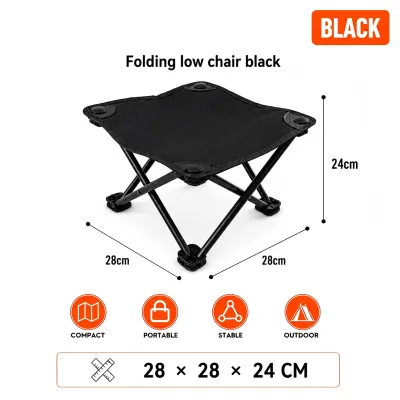
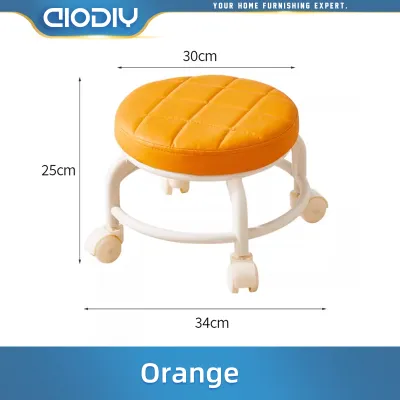
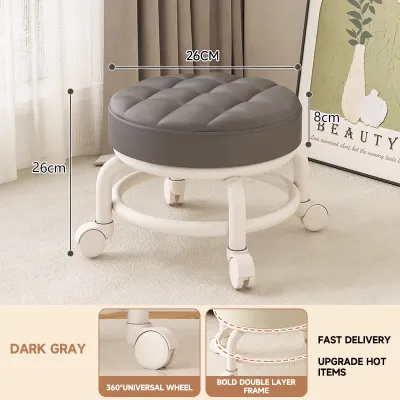
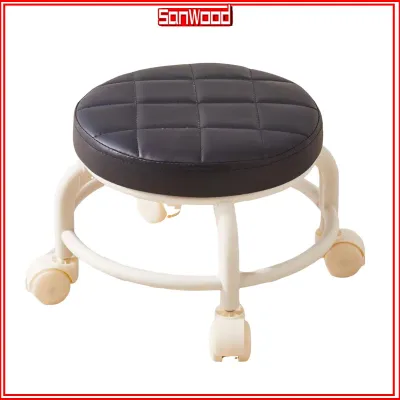
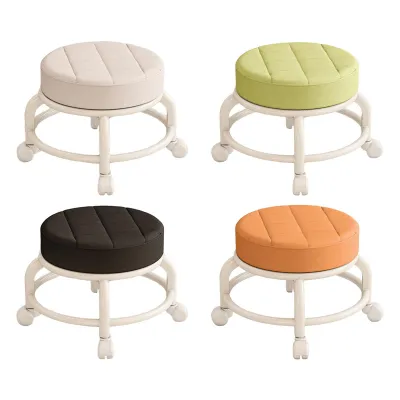
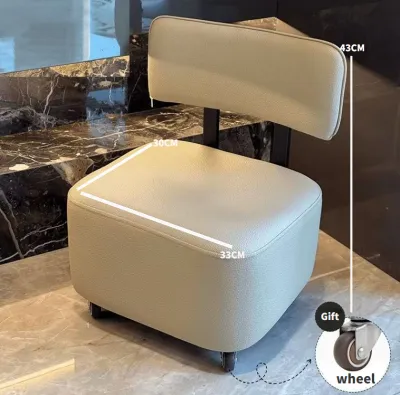
Prices are valid at publication and may change. Please refer to the product page for the latest price.
The final element of this basic setup is the vertical gap between the seat surface and the underside of the desk tabletop. This spacing determines whether your child can rest their forearms comfortably on the desk without hunching their shoulders or leaning forward. A gap that is too narrow will pinch the thighs, while a gap that is too wide will force the child to reach upward, straining the neck and upper back. Aim for a clearance that allows the elbows to rest naturally at desk level while the shoulders remain relaxed.
How to Measure Your Child and the Study Desk
Before browsing low chair options, you must gather precise physical measurements of your child and their existing study desk. Using a flexible measuring tape, have your child sit on a flat bench or a firm surface where their knees can bend comfortably at a 90-degree angle. Measure the distance from the floor to the crease behind their knee, a measurement known as the popliteal height. This figure represents the maximum allowable seat height for the chair, ensuring that the seat pan does not press upward into the sensitive area behind the knees.

Next, measure the thigh length to determine the appropriate seat depth. Have your child sit with their back flat against a wall or a vertical support. Measure from the very back of the buttocks to the crease behind the knee. This measurement, often called the buttock-to-popliteal length, is critical because a seat pan that is too deep will prevent the child’s lower back from reaching the backrest, while a seat pan that is too shallow will fail to support the thighs adequately, causing discomfort during longer study sessions.
Finally, measure the dimensions of the study desk. Record the height from the floor to the top of the desk surface, as well as the distance from the floor to the lowest point under the desk, such as a drawer assembly or a support beam. If you are using an adjustable desk, record the range of heights available. These desk measurements will help you calculate the exact torso clearance required, ensuring that the low chair can slide underneath the desk and that your child’s legs have ample room to move without hitting the desk structure.
Translating Measurements into Seat Height and Depth
Once you have gathered your child’s measurements, you can translate these numbers into specific chair dimensions. When reviewing manufacturer size charts, look for a seat height that matches or is slightly lower than your child’s popliteal height. If the chair’s seat height is adjustable, ensure that your child’s measured height falls comfortably within the middle of the adjustment range. This positioning allows room for growth while ensuring the chair can be set to the perfect height immediately.
The seat depth of the low chair must be slightly shorter than your child’s thigh length. Ideally, there should be a gap of about two to three fingers (approximately 2 to 5 centimeters) between the front edge of the seat and the back of your child’s knees when they are sitting all the way back. This gap prevents the seat edge from pressing against the popliteal fossa, which can restrict blood flow and cause numbness or tingling in the legs. A waterfall or gently curved front edge on the seat pan further reduces pressure on this sensitive area.
Verify that the child’s feet can rest completely flat on the floor when they sit back against the backrest. If the chair is slightly too deep, the child will naturally slide forward to bend their knees over the edge, losing all back support in the process. If you find a chair that fits the desk perfectly but leaves the child’s feet dangling, you must plan to use a compatible footrest to bridge the gap. However, selecting a chair with the correct seat depth and height from the start is always the most reliable way to ensure proper alignment.
Verifying Back Support and Under-Desk Clearance
A well-fitting low chair must provide continuous support to the natural curves of your child’s spine. Look for a backrest that features a gentle lumbar curve, which helps maintain the natural inward curve of the lower back. The backrest should be firm enough to prevent slouching but flexible enough to accommodate slight shifts in posture. If the backrest is too far back or lacks proper contouring, the child will either slouch to reach it or sit forward without any back support, leading to rapid muscle fatigue.
Under-desk clearance is another critical factor that is often overlooked. Measure the total width and height of the opening under the study desk to ensure the low chair can slide fully underneath when not in use. This is especially important in compact study areas or shared family spaces where keeping the floor clear is necessary. Check if the desk has low-hanging drawers, keyboard trays, or structural crossbars that might block the chair’s path or limit the child’s legroom when they pull close to the desk.
Be particularly mindful of chair armrests, which can easily conflict with the desk apron. If the armrests are too high, they will strike the edge of the desk, preventing the child from sitting close enough to write or type comfortably. This forced distance causes the child to lean forward, neutralizing the benefits of the backrest. If you choose a low chair with armrests, verify that the armrest height is lower than the clearance height of the desk, or opt for adjustable or removable armrests that can be adapted to the workspace.
Deciding Between Fixed and Adjustable Low Chairs
When choosing a low chair, you must decide between a fixed-height model and an adjustable one. Fixed-height chairs are often highly stable, featuring simple, robust designs with fewer moving parts that could wear out over time. They are excellent for younger children who need a solid, unyielding seat that does not wobble or spin. However, because children grow rapidly, a fixed-height chair has a limited usable lifespan and will eventually need to be replaced as your child outgrows its dimensions.
Adjustable low chairs offer a much longer lifespan because they can be adapted as your child grows. These models typically allow you to adjust the seat height, seat depth, and sometimes the backrest height. When evaluating adjustable chairs, pay close attention to the safety and stability of the adjustment mechanisms. Look for secure locking pins, manual knobs, or heavy-duty gas lifts that cannot be easily released by a child during play. The mechanisms should lock tightly to prevent any sudden sinking or shifting while the child is seated.
In tropical climates like the Philippines, material selection is just as important as adjustability. High humidity can make synthetic leathers feel sticky and uncomfortable, while solid wood or breathable mesh backrests offer better ventilation and comfort during warm study sessions. If you choose a fixed-height chair to match a specific aesthetic, you can extend its usability by using supplementary accessories. Removable lumbar cushions or add-on footrests can help customize the fit as your child’s proportions change, providing a cost-effective way to maintain ergonomic alignment.
Conducting a Final Fit Check and Posture Verification
Before finalizing your choice, conduct a practical fit check with your child in the actual study environment. Have your child sit in the low chair at the desk and observe their posture during a simulated 10-minute study session. Watch how they interact with their books, tablet, or writing materials. A proper fit should look natural and effortless, with the child sitting back against the backrest and their shoulders remaining relaxed while they work.
Keep a close eye out for physical signs of a poor fit. If you notice your child slouching, leaning heavily on one elbow, or wrapping their feet around the chair legs, the chair may not be providing the correct support. Frequent shifting, fidgeting, or sliding forward on the seat are also clear indicators that the seat depth is too deep or the foot support is inadequate. These subtle movements are often a child’s subconscious attempt to relieve discomfort or muscle strain caused by improper alignment.
Establish clear stop conditions for the trial period. If your child complains of persistent discomfort, numbness in their legs, or back fatigue after short study sessions, stop using the setup immediately and re-evaluate the measurements. If adjustments to the chair height, depth, or footrest do not resolve the issue, or if your child has pre-existing musculoskeletal conditions, consult a pediatric physical therapist or an ergonomic specialist. They can provide personalized guidance to ensure your child’s study corner supports their physical health and development.
Frequently Asked Questions (FAQ)
Can I use a regular footrest with a low chair?
Yes, you can use a regular footrest with a low chair, provided you verify the remaining height gap between the seat and the floor. The footrest must be low enough to allow your child’s thighs to remain parallel to the floor without pushing their knees too high, which would tilt the pelvis backward. Ensure the footrest has a non-slip base to prevent it from sliding around on smooth tile or wooden floors, and choose a compact design that does not create a tripping hazard in the study area.
How often should I re-evaluate my child's chair fit?
You should re-evaluate your child’s chair fit at least twice a year, ideally coinciding with natural growth spurts and the start of a new academic year. Children can grow rapidly over a few months, quickly making a previously perfect setup uncomfortable. Watch for visual cues that the chair is being outgrown, such as your child’s knees hitting the underside of the desk, their feet no longer resting flat on the floor, or their shoulders appearing hunched when writing.

Community discussion
Share your experience or ask a question. Comments are reviewed before publication.