
Selecting the perfect buffet cabinet from the Mandaue official store cabinet collection requires a thoughtful balance of spatial planning, storage utility, material resilience, and aesthetic harmony. A buffet cabinet serves as a multi-functional anchor in your dining area, providing essential storage for dinnerware while offering an extra surface for serving food during family gatherings. To make an investment that elevates your home for years, you must look beyond surface aesthetics. By systematically evaluating your dining room’s physical limits, your household’s specific storage habits, and the structural materials suited for tropical climates, you can confidently select a piece that is both highly functional and visually stunning.
Measure Your Dining Space and Clearance Requirements
Before browsing the extensive online catalog of the Mandaue official store cabinet lineup, you must establish the physical boundaries of your dining room. Start by measuring the available floor space along the wall where you intend to position the cabinet. Use a metal measuring tape to record the exact wall width and the maximum depth the cabinet can occupy without encroaching on the main dining area. If you plan to place decorative items, artwork, or a wall-mounted mirror above the cabinet, measure the vertical distance from the floor to the ceiling, as well as the height of any existing wall fixtures, light switches, or electrical outlets that the cabinet might block.
Physical footprint is only one part of the spatial equation; clearance is equally critical for maintaining a comfortable, functional room flow. A dining room is a high-traffic zone where chairs are constantly pushed back and people walk past seated guests. To ensure comfortable movement, allow at least 90 to 120 centimeters of clearance between the edge of the buffet cabinet and your dining table or chairs. Furthermore, you must account for the operational clearance of the cabinet itself. If the cabinet features swing-out doors or pull-out drawers, measure their fully extended depth to ensure they can open completely without hitting the dining table, chairs, or adjacent walls. For tight spaces, sliding doors are often a more practical choice as they do not require front clearance to access stored items.
Products mentioned in this guide
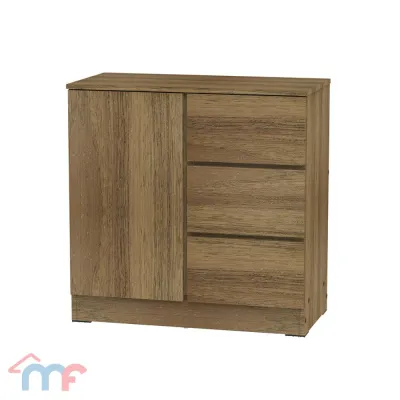
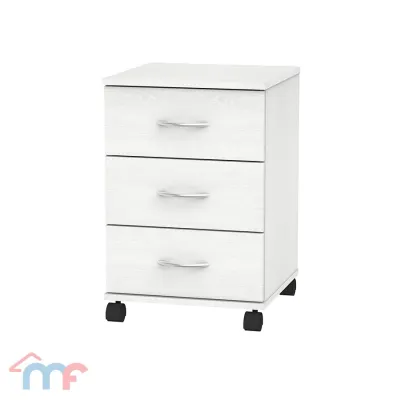
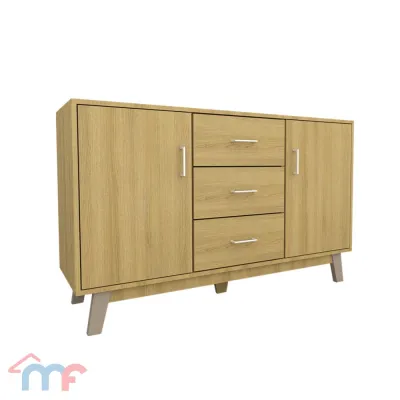
Prices are valid at publication and may change. Please refer to the product page for the latest price.
Finally, do not overlook the delivery path. A common oversight is purchasing a beautiful, fully assembled or flat-packed cabinet only to find it cannot clear the entry points of your home. Measure the width and height of every doorway, hallway, staircase, and elevator cabin that the delivery team must navigate to reach your dining room. Take note of tight corners or low-hanging light fixtures along the path. Comparing these entry dimensions with the packaged product dimensions listed on the store page will prevent delivery-day headaches and ensure your new furniture arrives safely in its designated spot.
Define Your Storage Needs and Shelf Configuration
A buffet cabinet is only as useful as its internal organization. To choose the right configuration, take a detailed inventory of the items you plan to store. Are you looking to house bulky kitchen appliances like air fryers, blenders, and rice cookers that only come out on special occasions? Or do you need a dedicated space for delicate fine china, crystal glassware, table linens, and silver cutlery? Categorizing your belongings into everyday items, seasonal pieces, and decorative displays will help you determine the ideal ratio of closed cabinets, drawers, and open shelving.

Different storage styles serve distinct functional and aesthetic purposes. Closed lower compartments are excellent for concealing clutter, storing heavy serving platters, or keeping everyday items out of sight. Solid wooden or engineered board doors provide a clean, streamlined look that keeps the focus on your dining decor. Glass-front displays offer a dust-free environment that showcases heirloom dinnerware, decorative vases, or a collection of glassware. This style adds visual depth to the room, making smaller dining areas feel more open and airy.
Open shelving is perfect for quick-access items, cookbooks, or curated decorative pieces, creating a casual, modern vibe. However, they require regular dusting and neat organization to maintain a tidy appearance. Shallow drawers are indispensable for organizing smaller items like table runners, cloth napkins, placemats, and silverware organizers, preventing them from getting lost in deep cabinets.
When evaluating a Mandaue official store cabinet, always check the product specification sheets for adjustable shelf options. Adjustable shelves allow you to customize the interior height to accommodate tall pitchers or stack bulky serving bowls. Additionally, pay close attention to the stated weight limits per shelf. Placing heavy ceramic dishes or small appliances on a shelf that is not rated for high load capacities can lead to sagging or structural failure over time.
Evaluate Materials and Surface Finishes
The longevity of your buffet cabinet depends heavily on its construction materials and how well they withstand daily wear, spills, and environmental factors. In tropical climates where humidity levels fluctuate significantly, choosing the right material is crucial to prevent warping, swelling, or mold growth. Review the manufacturer’s specifications carefully to understand what materials are used in the cabinet’s frame, doors, and shelves.
Solid wood, such as mahogany or rubberwood, offers exceptional structural integrity, natural grain beauty, and long-term durability. However, solid wood requires consistent care and is sensitive to extreme humidity changes. Engineered woods, including medium-density fiberboard (MDF) and particle board finished with high-quality veneers or laminates, provide a highly stable, warp-resistant alternative. These materials are often lighter, more budget-friendly, and engineered to resist the expansion and contraction common in humid environments. Metal accents, such as powder-coated steel frames or brass hardware, add structural reinforcement and a contemporary touch.
Beyond the base material, examine the surface treatments and finish descriptions. The top surface of a buffet cabinet is highly susceptible to spills from hot soups, condensation from cold beverage pitchers, and scratches from serving utensils. Look for cabinets with protective top coats, such as polyurethane, lacquer, or melamine laminates, which provide a barrier against moisture and minor abrasions. A smooth, non-porous finish makes it much easier to wipe away food crumbs and liquid spills quickly. Always read the provided care instructions to understand the specific maintenance routines required; some finishes only need a damp microfiber cloth, while others may require specialized wood cleaners or periodic resealing to maintain their luster.
Align the Cabinet Style With Your Dining Decor
A buffet cabinet should not look like an afterthought; it should harmonize with your existing dining table, chairs, and overall interior design. To achieve a cohesive look, analyze the design profile of your current furniture. If your dining set features clean lines, tapered legs, and neutral tones, a minimalist or mid-century modern cabinet with recessed handles and a sleek silhouette will complement the space beautifully. For homes with a warm, rustic, or farmhouse aesthetic, look for cabinets featuring distressed wood finishes, classic paneling, and robust iron hardware.
Pay close attention to the finer design details that tie a room together. Match the metal finishes of the cabinet handles and hinges with other metal elements in your dining room, such as your light fixtures, curtain rods, or chair legs. Mixing metals can work, but keeping them consistent (such as all matte black or all brushed brass) creates a more polished look.
Leg styles also play a significant role in visual weight. Cabinets that sit flat on the floor offer a grounded, substantial appearance and prevent dust from accumulating underneath. Conversely, cabinets elevated on slender legs create a sense of spaciousness, making them ideal for smaller dining rooms as they allow more floor area to remain visible.
Decide whether you want the cabinet to blend seamlessly into the background or serve as a bold statement piece. A cabinet painted in a deep navy, forest green, or charcoal gray can act as a stunning accent wall feature, while natural wood tones or crisp whites maintain a calm, unified atmosphere. Balancing the visual weight of the cabinet is essential. A massive, dark-toned cabinet can easily overwhelm a small dining room, making it feel cramped and dark. If your dining table is light and airy, choose a cabinet with a similar visual weight—perhaps one with glass doors or a lighter wood finish—to ensure it enhances the room’s flow rather than dominating it.
Final Pre-Purchase Checks Before Ordering
Once you have selected a cabinet that meets your spatial, storage, and stylistic needs, perform a series of final checks before clicking the checkout button. This step is vital to avoid the hassle of returns, delivery delays, or assembly complications. First, double-check the exact product dimensions listed on the Mandaue official store cabinet product page. Cross-reference these figures with your physical measurements, paying special attention to the depth and height to confirm the cabinet will fit perfectly in your designated spot.
Next, thoroughly review the delivery terms and assembly requirements. Large furniture items are heavy and often require two or more people to move and assemble safely. Determine whether the cabinet is delivered fully assembled or as a flat-pack item requiring home assembly. If it requires assembly, check if the package includes all necessary hardware and clear instructions, or if the store offers professional assembly services upon delivery. Understanding these details beforehand allows you to prepare the necessary tools or arrange for extra help on delivery day.
Additionally, review the warranty conditions and return policies specific to large furniture items. Ensure you understand what structural defects or transit damages are covered and how to file a claim if needed. Finally, confirm the current stock status and estimated lead times directly on the official store platform. Some items may be ready for immediate dispatch, while others might be on a pre-order basis or require extra processing time. Knowing the estimated delivery window helps you plan your schedule and prepare your dining area for the arrival of your new furniture piece.
Frequently Asked Questions (FAQ)
How to Protect the Cabinet Surface From Heat and Spills
To preserve the beauty and structural integrity of your cabinet’s surface, always use protective barriers. Place heat-resistant trivets, insulated hot pads, or decorative placemats under hot serving dishes, pots, and pans. For cold beverages, water pitchers, or wine bottles, use coasters with absorbent backings to prevent condensation from pooling and creating unsightly water rings on the finish.
Additionally, check the manufacturer’s care label for specific heat thresholds and recommended cleaning agents. Avoid using harsh chemical cleaners, abrasive scrubbing pads, or wax polishes unless explicitly approved, as these can strip away the protective top coat. To prevent long-term damage, position your cabinet away from direct sunlight streaming through windows, as prolonged UV exposure can fade wood stains and degrade finishes. Maintain stable indoor humidity levels to prevent the wood from warping or cracking over time.
What to Do If the Delivered Cabinet Does Not Fit
If you receive your cabinet and realize there is a sizing error or spatial conflict, halt the assembly process immediately. Do not attempt to force the cabinet into a tight space, as this can damage both the furniture and your walls. Keep all original packaging materials, boxes, protective foam, and hardware completely intact, as most return policies require items to be in their original packaging for transport.
Take clear photos of the spatial conflict, the unassembled cabinet, and the packaging. Contact the official store’s customer service department immediately with your order details, invoice, and the photos you took. Review the store’s specific return, exchange, or refund policies for large furniture items, as there may be strict time limits or restocking fees associated with returns due to customer measurement errors.
Community discussion
Share your experience or ask a question. Comments are reviewed before publication.