
Selecting the right outdoor storage bench in the Philippines requires balancing aesthetic appeal with extreme climate endurance. The best material for your space depends on your willingness to perform regular maintenance and where the bench will sit. For fully exposed gardens, high-density resin or powder-coated aluminum offers the highest resistance to torrential rains and intense sun. For shaded patios or verandas, properly sealed hardwoods like teak or acacia provide classic warmth, provided they receive routine protective treatments.
How the Philippine Climate Affects Outdoor Storage Benches
The tropical climate of the Philippines presents unique challenges for outdoor furniture. During the wet season, southwest monsoons (Habagat) and frequent typhoons bring prolonged heavy rains. Porous materials and unsealed joints that trap water quickly become breeding grounds for structural rot. When moisture penetrates deep into a bench’s frame, it can cause the material to swell, crack, or lose its structural integrity.
High year-round humidity further compounds these issues. Even when it is not raining, moisture-laden air prevents damp surfaces from drying quickly. Inside enclosed storage compartments, this trapped humidity creates an ideal microclimate for mold, mildew, and musty odors, which can ruin stored garden tools, cushions, or pool accessories.
Products mentioned in this guide
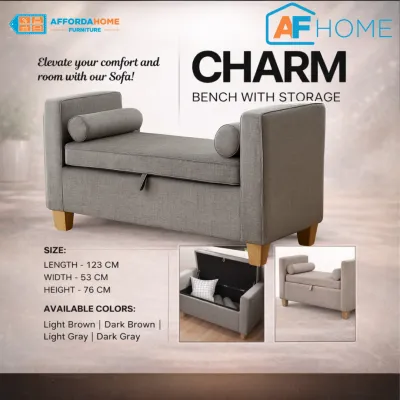
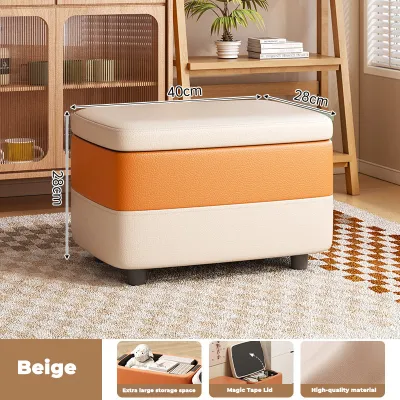
Prices are valid at publication and may change. Please refer to the product page for the latest price.
Conversely, the dry season brings intense ultraviolet (UV) exposure and high temperatures. Direct sunlight degrades unprotected plastics, causing them to fade, turn brittle, and crack under minimal pressure. UV rays also break down wood finishes and cause fabrics to lose their color, turning a once-vibrant backyard feature into an eyesore. Choosing a storage bench requires looking past generic “waterproof” labels to understand how specific materials handle these persistent environmental stressors.
Verifiable Weather-Resistant Properties to Look For
When shopping for storage benches, look beyond marketing claims and examine the technical specifications, product labels, and structural details. Understanding the distinction between water-resistant and waterproof is critical. Water-resistant items repel water temporarily, making them suitable for covered spaces like a lanai. Waterproof items are entirely impervious to water penetration, which is necessary for fully exposed garden areas.

It is important to remember that a simple material name—such as “teak” or “aluminum”—does not automatically guarantee weather, moisture, scratch, or long-term durability performance. Instead of relying on the material label alone, convert these claims into practical checks. Inspect the quality of the finish, the tightness and reinforcement of the joints, the manufacturer’s specific care instructions, and how well the design matches your actual use environment.
Beyond weather resistance, physical configuration and installation requirements are critical. Prioritize measuring your available space and comparing it with the bench’s finished dimensions to ensure a proper fit. Consider doorway, hallway, or lift access constraints to avoid delivery issues. Verify the manufacturer’s specified load capacity and overall stability, especially if the bench will double as seating for multiple adults. Depending on your location—such as a high-wind balcony or an open garden—you may also need to check the anchoring method and whether the assembly conditions require specialized tools or professional assistance.
Moisture and Rot Resistance
Look for product specifications that explicitly mention marine-grade treatments, water-repellent preservatives, or closed-cell material structures. Closed-cell structures do not allow water to penetrate the surface, preventing internal water absorption and subsequent warping. If choosing wood, check if the manufacturer specifies that the lumber has been treated with rot-resistant sealants.
UV Stability and Heat Tolerance
For synthetic materials, look for labels indicating the inclusion of UV-inhibitor additives, often rated by hours of direct sunlight exposure. For metal benches or metal-framed wicker, verify that the surface features a UV-resistant powder coating. These treatments prevent the material from chalking, fading, or becoming brittle under the intense Philippine sun.
Rust and Corrosion Prevention
Screws, hinges, and internal hardware are highly vulnerable to rust in humid environments. Differentiate between standard painted finishes, which chip easily, and more durable protective coatings. Prioritize hardware made of stainless steel, or metal frames treated with powder-coated, galvanized, or anodized finishes to prevent rust from seizing the hinges or weakening the frame.
Comparing Common Materials for Tropical Conditions
Every material has distinct performance characteristics, maintenance requirements, and price points. Evaluating these options against your home’s specific microclimate and your personal budget will help you make a lasting investment.
Hardwoods and Treated Woods
Naturally dense hardwoods, such as teak, shorea, and acacia, are popular for their premium appearance and natural oils that repel insects and moisture. However, wood is a living material that reacts to humidity changes. To prevent severe warping and splitting, verify that the wooden storage bench uses kiln-dried lumber, which stabilizes the moisture content before construction.
Even high-quality hardwoods require protective exterior finishes, such as marine varnish or specialized outdoor wood oils, to withstand tropical downpours. Unsealed wood will quickly gray and absorb moisture, leading to rot at the joints. Wooden options generally represent a higher upfront investment, with prices often ranging from ₱12,000 to over ₱35,000, and require annual reapplication of protective finishes to maintain their integrity.
Resin and High-Density Plastics
Resin, polypropylene, and high-density polyethylene (HDPE) are highly practical choices for the Philippine climate. These materials are naturally immune to rot, rust, and insect damage, making them virtually maintenance-free. They can be easily wiped down or hosed off after a heavy rainstorm.
When selecting a plastic storage bench, inspect the wall thickness and structural reinforcement. Double-wall construction provides superior stability and prevents the bench lid from sagging when used as seating. Ensure the product description explicitly states the material is UV-stabilized; untreated plastics will degrade rapidly under intense sunlight, leading to cracks and structural failure within one to two seasons. High-quality resin benches are widely available on online marketplaces and local home centers, typically ranging from ₱5,000 to ₱15,000.
Metals (Aluminum and Steel)
Metal storage benches offer excellent structural strength and a sleek, modern aesthetic. However, their performance depends heavily on the specific type of metal used. Aluminum is naturally resistant to rust, making it an outstanding choice for high-humidity coastal or urban areas. It is also lightweight, allowing you to move the bench easily during typhoon preparations.
Steel, while highly durable and heavy enough to withstand strong winds, is highly susceptible to rust if its protective layer is compromised. If choosing steel, verify that it features a robust, multi-layer powder coating or galvanization. Keep in mind that metal lids can retain significant heat when exposed to direct sunlight. This heat transfer can raise the internal temperature of the storage compartment, potentially damaging sensitive items stored inside, such as plastic gardening tools or pool chemicals.
Synthetic Wicker and Rattan
Synthetic wicker, also known as resin wicker or all-weather rattan, offers the classic look of natural woven fibers without the vulnerability to moisture and mold. When shopping, distinguish between high-density polyethylene (PE) wicker and cheaper polyvinyl chloride (PVC) wicker. PE wicker is more flexible, durable, and resistant to UV cracking than PVC.
The most critical point of failure for synthetic wicker benches is the hidden structural frame. Many budget-friendly options use untreated steel frames wrapped in synthetic wicker. Over time, moisture penetrates the weave, causing the inner frame to rust and fail while the outer wicker still looks intact. Always verify that the underlying frame is made of powder-coated aluminum or rust-resistant steel.
Structural Features That Prevent Water Damage
A bench’s material is only as effective as its construction. Even the most water-resistant material can fail to protect your belongings if the structural design allows water to pool or seep inside.
First, check for adequate ventilation. Complete airtightness inside a storage bench is counterproductive in humid climates. Look for benches designed with integrated ventilation gaps, breathable panels, or small drainage holes at the bottom of the storage compartment. This design allows trapped moisture to evaporate, preventing musty odors and mold growth on stored items.
Second, examine the base of the bench. Benches that sit flat on the ground are highly vulnerable to ground moisture wicking and standing water during heavy rains. Choose models with raised feet, heavy-duty glides, or adjustable levelers. Elevating the bench base by even a few centimeters protects the bottom panel from puddle damage and allows rainwater to flow freely underneath.
Third, inspect the lid design. A flat lid that sits flush with the bench walls can allow water to seep through the seams. Prioritize benches with sloped, domed, or overhanging lids that naturally shed rainwater away from the hinges and opening seams. Some premium models feature an inner waterproof liner or a zippered dry bag that attaches to the interior, providing an extra layer of defense for sensitive items.
Finally, inspect the hardware. Ensure that all screws, hinges, hydraulic lid lifts, and brackets are made of stainless steel or heavily coated alloys. Low-quality hardware will rust quickly in tropical humidity, staining the bench material and eventually causing the lid mechanism to fail.
Practical Maintenance to Extend Your Bench's Lifespan
Regardless of the material you choose, performing regular maintenance is essential to maximize your storage bench’s lifespan in tropical conditions. Establish a routine cleaning schedule to remove accumulated dirt, pollen, fallen leaves, and organic debris. These particles trap moisture against the bench surface and create a breeding ground for mold and mildew. A gentle wash with mild soap, warm water, and a soft-bristled brush is usually sufficient for most materials.
For wooden benches, perform a visual inspection every six months. Look for signs of dry spots, fading, or minor surface cracks. If water no longer beads on the surface, it is time to lightly sand the wood and reapply a fresh coat of marine varnish, teak oil, or an exterior wood sealer. Always allow the wood to dry completely in a shaded, well-ventilated area before applying any treatments.
For metal benches and hardware, regularly check the joints, welds, and screw holes for early signs of rust. If you spot surface rust, gently remove it with a fine-wire brush or steel wool, wipe the area clean, and apply a rust-inhibiting touch-up paint or primer recommended by the manufacturer.
Always consult the manufacturer’s care guide before using harsh chemical cleaners, pressure washers, or abrasive scrubbing pads. High-pressure water can strip protective UV coatings, damage wood fibers, or tear synthetic wicker weaves, voiding your warranty and accelerating environmental degradation.
Frequently Asked Questions (FAQ)
Can I leave cushions on my outdoor storage bench year-round?
No, it is highly discouraged to leave fabric cushions inside an outdoor storage bench year-round in the Philippines. Despite weather-resistant claims, the persistent high humidity of the wet season will inevitably find its way into the storage compartment. Trapped moisture leads to rapid mold and mildew growth, which can permanently stain and ruin cushion fabrics. During the rainy season or prolonged periods of non-use, store your cushions indoors, in a dry closet, or inside vacuum-sealed storage bags to preserve their cleanliness and structural integrity.
How do I check if a wooden bench is properly sealed for high humidity?
You can easily check the effectiveness of a wooden bench’s seal by performing a simple water drop test. Pour a few drops of clean water onto the surface of the wood. If the water beads up and remains on the surface, the seal is intact and active. If the water quickly soaks into the wood fibers, darkening the wood’s color, the protective coating has worn off. When this occurs, follow the manufacturer’s recommended sanding and resealing process to restore the moisture barrier before the wood suffers deep rot or structural warping.
Community discussion
Share your experience or ask a question. Comments are reviewed before publication.