
Finding the right metal bunk bed for your children’s bedroom in the Philippines requires balancing space efficiency, structural safety, and long-term durability against tropical humidity. While metal frames offer a sleek, modern aesthetic and a lighter footprint than bulky wooden alternatives, choosing the best option involves verifying specific manufacturing details rather than relying on brand names alone. A well-chosen metal bunk bed maximizes floor space for play and study, provides a secure sleeping environment, and withstands years of active use. To make an informed decision, you must evaluate structural specifications, safety features, and room dimensions carefully.
Essential Sizing and Weight Capacity Checks
Before browsing online marketplaces or local furniture showrooms, you must establish the exact physical boundaries of the bed. In the Philippines, standard mattress sizes typically start with the single size (36 inches by 75 inches) or the twin size (39 inches by 75 inches). When reviewing product listings, distinguish between the mattress size and the actual outer dimensions of the metal frame. The frame will always be slightly wider and longer than the mattress it holds due to the thickness of the metal posts, guardrails, and ladder attachments. Ensure you have at least a few inches of clearance around the entire perimeter to allow for easy bed-making and to prevent the metal from rubbing against your walls.
Weight capacity is a critical safety metric that directly impacts the longevity of the bed and the safety of your children. Manufacturers specify weight limits for both the upper and lower bunks, but these limits must be interpreted carefully. The stated capacity always includes the weight of the mattress itself, which can vary significantly depending on whether you choose a light foam or a heavy spring mattress. Subtract the mattress weight from the manufacturer’s limit to find the true allowable weight for the sleeper and their bedding. For growing children, look for frames that offer a generous buffer above their current weight to accommodate natural growth spurts and occasional shared reading sessions.
Products mentioned in this guide
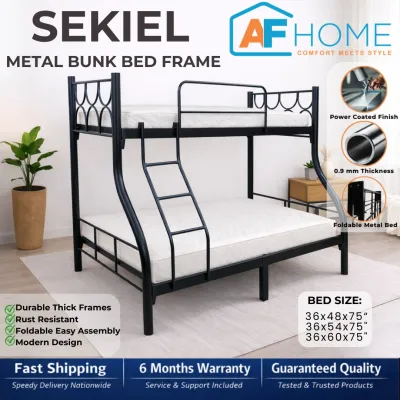
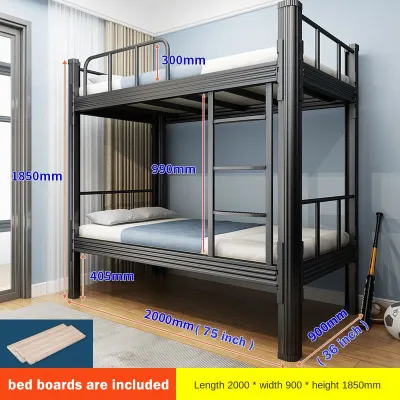
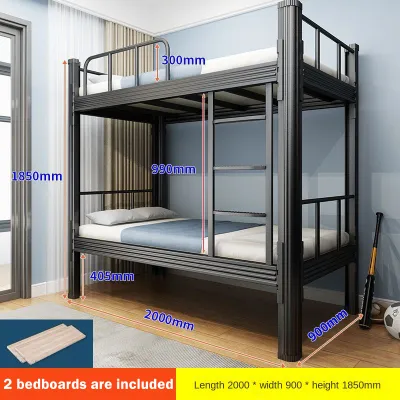
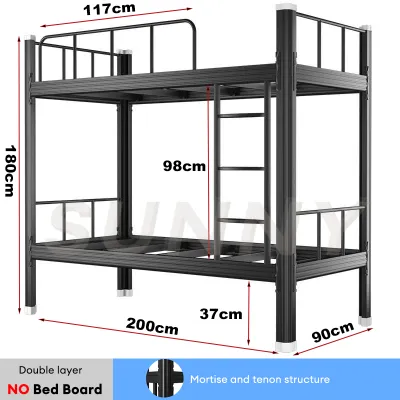
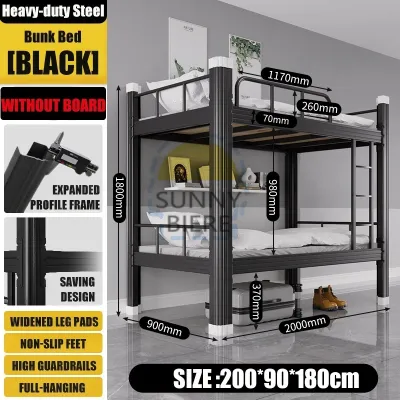
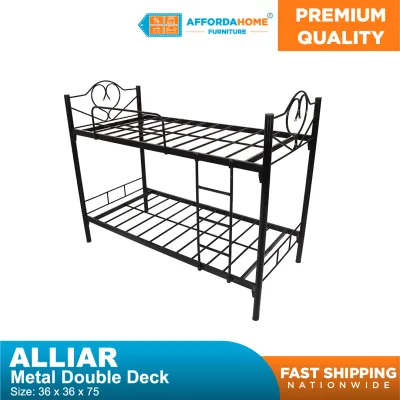
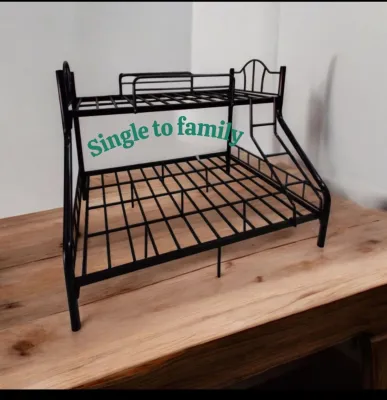
Prices are valid at publication and may change. Please refer to the product page for the latest price.
Vertical clearance between the bottom and top bunk determines how comfortable the lower bed will be for daily use. If the clearance is too low, older children or parents sitting on the bottom bunk will constantly bump their heads. Measure the distance from the top of the bottom mattress to the underside of the top bunk slats. Ideally, this space should allow an adult to sit upright comfortably. Additionally, consider the distance from the top mattress to the ceiling, ensuring the child sleeping on the top bunk has enough headroom to sit up without risk of injury.
Comparing Metal Bunk Bed Configurations for Different Room Layouts
The layout of your children’s bedroom dictates which metal bunk bed configuration will serve them best. The classic single-over-single or twin-over-twin design remains the most popular choice for compact bedrooms. This vertical stack minimizes the footprint, leaving ample floor space for play areas, wardrobes, or study desks. It is an excellent, straightforward solution for siblings sharing a room where floor area is at a premium.

For rooms with slightly more floor space or for older children who require dedicated study areas, loft-style metal beds or L-shaped configurations offer excellent versatility. A metal loft bed elevates a single sleeping platform, leaving the entire space underneath open. This lower zone can be configured with a built-in study desk, bookshelves, or a cozy reading nook with a bean bag. L-shaped bunk beds position the bottom bed perpendicular to the top bed, creating a small alcove underneath the upper frame that can house storage drawers or a small bedside table. While these configurations require a larger overall footprint, they consolidate multiple furniture pieces into a single structural unit.
If your children frequently host sleepovers or if you want to prepare for visiting relatives, a trundle-compatible metal frame is a highly practical option. A trundle is a low, wheeled platform that slides completely underneath the bottom bunk when not in use. When needed, it pulls out to provide an extra sleeping surface. When selecting a metal bunk bed with this feature, verify the maximum mattress height allowed for the trundle insert. If the trundle mattress is too thick, the unit will not slide smoothly under the main frame, potentially scratching your flooring or damaging the bed’s lower support bars.
Critical Safety Features to Verify Before Purchase
Safety must be your absolute priority when selecting any elevated sleeping arrangement for children. Begin by inspecting the guardrails on the top bunk, which are essential for preventing accidental falls during sleep. The guardrails must extend continuously around all four sides of the upper bed, leaving only a small opening for the ladder access point. Check that the guardrail height extends at least 5 inches (approximately 12.7 centimeters) above the top surface of the mattress. If you plan to use a thick mattress, you will need a frame with exceptionally tall guardrails to maintain this safe barrier. Additionally, verify that the vertical or horizontal gaps within the guardrail structure are narrow enough to prevent a child’s head or limbs from slipping through.
The ladder is the primary point of access and a common site for slips if poorly designed. Angled ladders are generally easier and safer for younger children to climb because they allow for a more natural distribution of body weight. However, they extend outward and occupy more floor space. Straight ladders save space by mounting flush against the bed frame, but they require more physical coordination to climb. Whichever style you choose, ensure the steps are wide and flat rather than narrow, round metal rungs, which can be painful on bare feet and prone to slipping. Look for ladders that feature textured, anti-slip surfaces or rubberized step covers.
Finally, examine the structural joints and fastening mechanisms of the metal frame. High-quality metal bunk beds utilize heavy-duty bolts, locking nuts, and reinforced corner brackets rather than simple slip-fit connections. Avoid frames that rely solely on friction fits, as these can loosen over time with active use. Run your hands along the entire frame to check for sharp edges, exposed weld splatter, or protruding hardware that could snag clothing or scratch skin. The joints should feel completely rigid when you shake the frame, with no swaying or shifting.
Measuring Your Space and Planning for Assembly
A successful bunk bed purchase requires precise home measurements before ordering. Start by measuring your ceiling height. Standard residential ceilings in the Philippines often range from 2.4 to 2.7 meters, but older homes or condominium units may have lower clearances. You must ensure that the top bunk sleeper has at least 60 to 75 centimeters of headroom between the top of their mattress and the ceiling. Do not forget to account for ceiling fans, light fixtures, or air conditioning units; the top bunk must be positioned far enough away from these fixtures to prevent any accidental contact.
Next, map out the delivery route from your home’s entrance to the final bedroom destination. Metal bunk beds are typically delivered unassembled in long, heavy flat packs. Measure the width and height of all doorways, narrow hallways, stairwell turns, and elevator cabins to ensure the packages can pass through without getting stuck. If you live in a high-rise condominium, check the building’s property management guidelines regarding delivery hours, elevator reservations, and any specific protection requirements for common area walls and floors.
Assembly is a crucial step that determines the ultimate stability of the bed. Review the manufacturer’s assembly instructions to understand the tools required; while basic hex keys are often included, having a high-quality socket wrench set can make the process much faster and more secure. Because metal bunk beds are tall and top-heavy, they pose a potential tip-over hazard if climbed on inappropriately. It is highly recommended to anchor the frame directly to the wall. Check if the product includes wall-anchoring brackets and appropriate hardware for your wall type, whether it is concrete, hollow block, or drywall. If you are not confident in your assembly skills, look for retailers that offer professional on-site installation services.
How to Evaluate Product Listings and Build Your Shortlist
When shopping on online marketplaces or browsing local retail sites, you must look past stylized marketing photos and focus on technical specifications. The most critical indicator of a metal bed’s durability is the metal gauge thickness. A lower gauge number indicates thicker, stronger steel. Look for frames constructed from heavy-duty steel tubing rather than thin, lightweight metals that are prone to bending under pressure. The product description should also specify the surface treatment; a high-quality powder-coated finish is far superior to standard liquid paint, as it provides a thicker, more durable barrier against scratches, chipping, and moisture.
User reviews are an invaluable resource for identifying potential issues that are not visible in product photos. When reading reviews, filter for feedback that mentions long-term stability and noise. Pay close attention to comments about squeaking, as this is a common complaint with poorly designed metal frames. Look for reviews written after several months of use, which offer a more accurate picture of how the bed holds up to daily wear and tear. Be skeptical of overly generic positive reviews and focus on those that describe the assembly process, the rigidity of the frame, and the responsiveness of the seller.
Finally, verify the warranty terms and after-sales support policies before finalizing your purchase. A reputable manufacturer or retailer should offer a clear warranty covering structural defects, broken welds, or missing hardware. Understand the process for claiming a warranty, including who covers the shipping costs for replacement parts. Additionally, check the return policy in case the bed arrives damaged or with missing components. Reliable customer service is essential when dealing with large, heavy furniture items that are difficult to repack and return.
Frequently Asked Questions (FAQ)
Do metal bunk beds squeak more than wooden ones?
Metal bunk beds can develop squeaks if the joints loosen or if there is direct metal-on-metal friction. This noise is typically caused by loose bolts, unlined joints, or placing the bed on an uneven floor, which puts uneven stress on the frame. To minimize squeaking, look for designs that incorporate nylon washers or rubber gaskets at all connection points to prevent metal parts from rubbing directly against each other. Regularly checking and tightening the assembly bolts every few months will also keep the frame rigid and silent.
How can I prevent a metal bunk bed from rusting in humid climates?
In the humid tropical climate of the Philippines, moisture can accelerate rust on metal furniture if the surface is unprotected. To prevent this, prioritize bunk beds with a high-quality, electrostatically applied powder-coated finish, which seals the steel against atmospheric moisture. For daily maintenance, wipe the frame down regularly with a dry or slightly damp microfiber cloth to remove sweat and dust, avoiding harsh chemical cleaners that can strip the protective coating. Keep the bedroom well-ventilated, and position the bed away from direct paths of air conditioner condensation or open windows where rain might splash.
Community discussion
Share your experience or ask a question. Comments are reviewed before publication.