
Finding the perfect balance between closet storage and floor space requires a methodical approach to spatial planning. Choosing the correct size for a metal shoe rack organizer is not merely a matter of matching numbers; it involves understanding the physical boundaries of your wardrobe, the geometry of your footwear, and the environmental factors of your home. A poorly sized rack can block closet doors, crush delicate garments, or leave half of your shoe collection scattered on the floor.
In the tropical climate of the Philippines, where high humidity levels can trap moisture inside closed wardrobes, selecting an appropriately sized metal shoe rack organizer is especially critical. Proper sizing ensures adequate airflow around your footwear, preventing the growth of mold and mildew on leather or canvas shoes. By taking precise measurements and auditing your collection beforehand, you can select a durable metal organizer that maximizes your storage potential while keeping your closet functional and easy to navigate.
Measure Your Closet Space and Audit Your Shoe Collection
Before browsing online marketplaces or visiting a local furniture showroom, you must establish the exact physical boundaries of your available closet space. Use a heavy-duty steel tape measure rather than a flexible sewing tape, as steel provides the rigidity needed for precise straight-line measurements. Measure the exact width of the floor or the designated shelf where the rack will sit, measuring from the innermost edges of the closet frame rather than the wall-to-wall distance.
Products mentioned in this guide
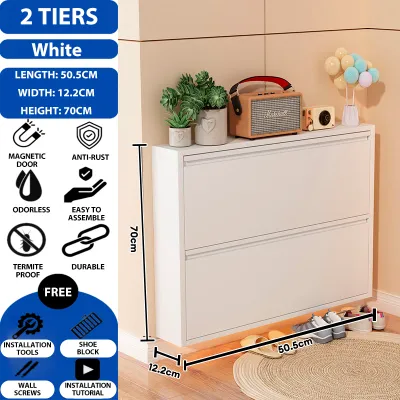
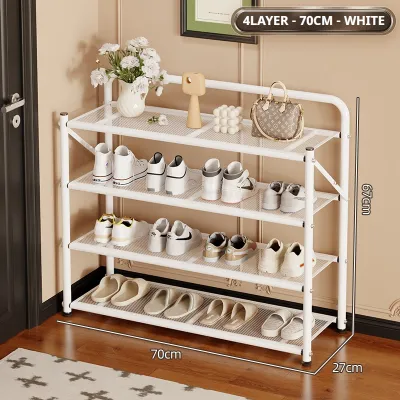
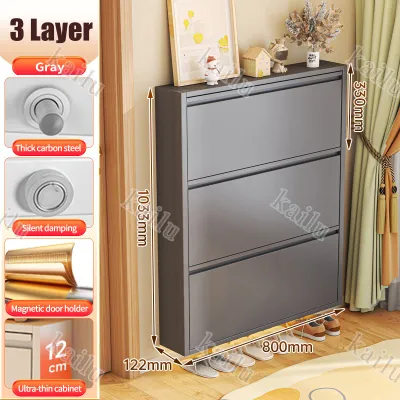
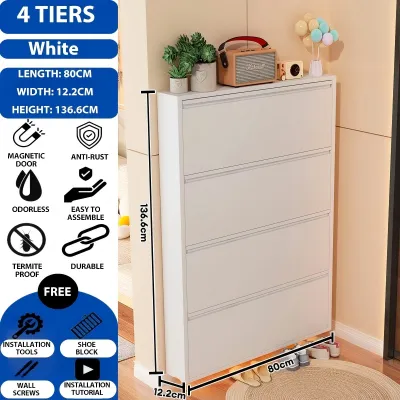

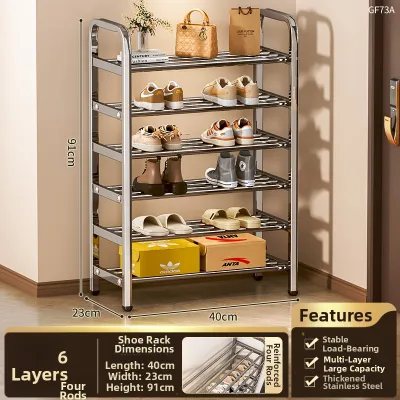
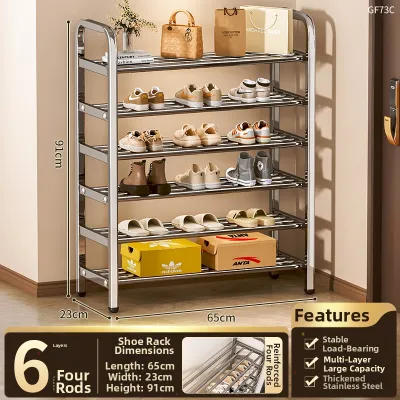
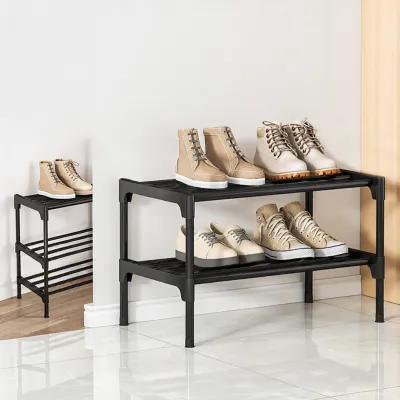
Prices are valid at publication and may change. Please refer to the product page for the latest price.
Next, measure the usable depth from the back wall to the front threshold of the closet door. It is vital to measure this depth at the floor level, as baseboards, door tracks, and door frames can significantly reduce the actual clearance compared to the middle of the wall. Finally, measure the vertical height from the floor to the lowest obstruction, which is typically the bottom hem of hanging clothes or the underside of a low-lying wooden shelf.
Accounting for door clearance is a critical step that many homeowners overlook. If your closet features sliding doors, measure the width of the door opening when one side is fully slid back, as you will need to maneuver the metal shoe rack organizer through this opening during installation. For wardrobes with hinged doors, ensure the rack does not extend into the door swing radius, which would prevent the doors from closing completely or block your physical path when retrieving items.
Once you have your closet dimensions, conduct a thorough audit of your footwear collection to determine your capacity requirements. Count every pair of shoes you intend to store on the rack and group them by style, such as flat sandals, low-top sneakers, high heels, and ankle boots. Different styles require different vertical clearances; for example, high heels and boots need taller tier spacing, whereas flats and slippers can be stored on much lower shelves.
Always factor in a buffer for future footwear purchases when calculating your required capacity. If your current collection consists of 12 pairs of shoes, sizing your metal shoe rack organizer to hold exactly 12 pairs will leave you with no room for growth, quickly leading to clutter. Designing your setup to accommodate an additional 20% to 30% of your current collection is a practical way to ensure your storage system remains useful for years to come.
Match Your Metal Shoe Rack Organizer to Your Closet Layout
Different closet configurations require distinct styles of metal organizers to optimize space without restricting movement. Floor-standing metal shoe racks are highly suited for spacious walk-in closets or deep reach-in wardrobes. When planning for a floor-standing unit, prioritize a design with an open wire mesh or slatted steel shelf construction, which promotes continuous air circulation around the soles of your shoes to mitigate moisture buildup.

If you are placing a metal rack beneath hanging garments, you must carefully calculate the vertical clearance to avoid crushing your clothes. Measure the drop length of your longest hanging items, such as trousers, long skirts, or dresses, and compare this to the total height of the assembled shoe rack. Ensure there is a safety margin of at least 3 to 4 inches between the top tier of shoes and the bottom of your hanging clothes to prevent fabrics from dragging on dirty outsoles.
For compact reach-in closets or tight bedroom corners, narrow vertical tower racks or over-the-door metal organizers offer excellent space-saving alternatives. If you choose an over-the-door metal rack, check the gap between the top of your closet door and the upper frame; most over-the-door brackets require a clearance of at least 2 millimeters to allow the door to close smoothly. Additionally, verify that your door hinges are structurally sound and capable of supporting the combined weight of a steel rack and multiple pairs of heavy shoes.
Because the Philippine climate is characterized by high relative humidity, you must pay close attention to the surface treatment of any metal organizer you select. Untreated or poorly finished iron frames can easily develop rust when exposed to damp closet air over time. Look for manufacturers that specify protective finishes, such as electroplated chrome, powder coating, or epoxy finishes, and always follow the manufacturer’s care instructions, which typically involve wiping the frame with a dry microfiber cloth rather than using harsh liquid chemical cleaners.
Never rely solely on product photos or generic descriptions like “medium” or “large” when selecting a rack online. Always locate the manufacturer’s technical specifications to verify the exact fully assembled dimensions, including the maximum width, depth, and height. Compare these specifications directly against your closet measurements to guarantee a seamless fit before finalizing your purchase.
Evaluate Tier Spacing and Weight Capacity
To ensure your metal shoe rack organizer accommodates your entire collection comfortably, you must evaluate the vertical distance between shelves and the structural limits of the unit. Standard fixed-tier metal racks generally feature a shelf spacing of 6 to 8 inches, which is ideal for flat shoes, sandals, and standard low-top sneakers. However, if your collection includes high-top basketball shoes, platform heels, or ankle boots, these fixed dimensions may prove too restrictive.
For collections with diverse shoe styles, look for adjustable or customizable metal racks that allow you to change the height of individual shelves or tilt the angles of the tiers. Angled wire shelves are particularly useful for high heels, as the heel can hook over the rear bar, reducing the required shelf depth while keeping the shoes securely in place. Some modular metal systems also allow you to remove a shelf entirely to create a double-height tier for tall boots.
Weight capacity is another crucial factor, especially when dealing with heavy footwear or using the top shelf for non-shoe storage. While steel and iron frames are inherently strong, thin wire mesh shelves can sag or warp under excessive loads. Check the manufacturer’s specified weight limit per tier, which is often detailed in the product manual. If you plan to store heavy work boots, leather dress shoes, or heavy plastic shoe boxes, distribute the weight evenly across the rack, placing the heaviest items on the bottom tier to maintain a low center of gravity.
To calculate the realistic capacity of a shelf, do not rely blindly on the manufacturer’s advertised pair capacity, as these estimates are often based on small shoe sizes or narrow silhouettes. To find the true capacity, measure the width of your widest pair of shoes at their widest point (usually the forefoot of a sneaker). Divide the usable width of the metal shelf by this measurement to determine exactly how many pairs will fit side-by-side on a single tier.
- Standard Men's Sneakers: Typically require 9 to 10 inches of width per pair.
- Women's Flats or Sandals: Typically require 7 to 8 inches of width per pair.
- Bulky Boots or Shoe Boxes: Can require 11 to 12 inches of width per pair.
For taller metal shoe racks, particularly those with five or more tiers, structural stability becomes a primary safety concern. As you stack shoes higher, the unit’s center of gravity rises, increasing the risk of tipping if the rack is bumped or unevenly loaded. Check whether the manufacturer includes wall-anchoring hardware, such as anti-tip straps or brackets, and verify if your closet wall material (such as concrete, brick, or drywall) requires specialized wall plugs for secure installation.
Common Sizing Mistakes to Avoid Before Buying
One of the most common mistakes when buying a closet organizer is failing to account for the door track depth of sliding closet doors. Sliding doors run on tracks that can eat up 2 to 3 inches of your closet’s interior depth. If you measure the depth of your closet from the back wall to the outer edge of the door frame, a standard 12-inch deep metal rack may prevent the sliding doors from passing each other, rendering the closet unusable.
Another frequent oversight is ignoring the presence of baseboards, skirting boards, or floor trim along the back wall of the closet. These architectural details project outward from the wall, preventing the legs of a standard metal shoe rack from sitting flush against the drywall. This gap can push the entire rack forward by half an inch to an inch, which can be enough to block a hinged closet door from latching shut.
Many buyers also assume that all shoe racks are deep enough to support the entire length of their shoes. Some minimalist metal designs feature a shallow depth of only 8 to 9 inches, which relies on the front half of the shoe resting on the bars while the heel hangs off the back. If you have larger feet (such as US Men’s size 10 or larger), this overhang can cause the toes or heels of your shoes to rub against the back wall or the closet door, leaving unsightly scuff marks on your paint.
Finally, always measure the path of access from your home’s entryway to the closet door before purchasing a pre-assembled metal rack. Narrow hallways, tight stairwell turns, and low bedroom door frames can make it incredibly difficult to transport a large, fully welded metal unit into your bedroom. If your access routes are tight, prioritize flat-pack metal shoe racks that can be easily carried into the room in pieces and assembled directly inside the closet space.
Frequently Asked Questions (FAQ)
How much space should I leave between the shoe rack and hanging clothes?
You should leave a minimum clearance of 3 to 5 inches between the top of the shoes stored on your rack’s highest tier and the bottom hem of your hanging clothes. This gap prevents your garments from dragging across dirty shoe outsoles, which can transfer dust, mud, or shoe polish to your fabrics. Additionally, maintaining this space allows air to flow freely between your clothes and shoes, which is vital in humid environments to prevent the accumulation of stagnant air that fosters mold growth and musty odors.
Can I cut or modify a metal shoe rack to fit a tight closet corner?
It is highly discouraged to cut, bend, or physically modify a metal shoe rack frame. Modifying the metal compromises the structural integrity of the joints, voids any manufacturer warranties, and exposes raw metal edges that can snag your clothes or cause physical injury. Furthermore, cutting through protective surface coatings like powder coating or chrome plating exposes the underlying iron or steel to moisture, leading to rapid rust formation. Instead of modifying a rigid frame, look for modular, expandable, or tension-based metal organizers designed specifically for tight or awkward spaces.
What is the standard depth for a metal shoe rack organizer?
Standard floor-standing metal shoe racks typically feature a depth of 10 to 14 inches. This range is designed to comfortably accommodate most adult shoe sizes, from women’s heels to men’s sneakers, without letting them overhang excessively. If you have exceptionally large footwear or prefer to store your shoes inside their original cardboard or plastic storage boxes, you should look for a rack with a depth of at least 13 to 14 inches to ensure the boxes do not protrude past the front edge of the shelves.
Community discussion
Share your experience or ask a question. Comments are reviewed before publication.