
Choosing the right plastic wardrobe involves balancing your bedroom’s physical layout with your daily storage habits. In tropical climates like the Philippines, plastic storage is highly favored for its resistance to humidity, rust, and pests like termites. However, finding the perfect fit requires more than just picking a color; you must evaluate the unit’s dimensions, door clearance, internal shelving configurations, and overall structural integrity.
By systematically assessing your room’s available space and matching the wardrobe’s interior features to your clothing collection, you can secure a durable storage solution. This guide walks you through the essential steps to measure, compare, and verify your options before making a purchase.
Quick Guide to Choosing an Orocan Wardrobe
Selecting a wardrobe requires a structured approach to ensure it serves your household effectively for years. The first step is always spatial: you must measure your bedroom’s floor area and vertical clearance to prevent buying a unit that blocks walkways or overlaps with windows. Next, consider how you access your clothes, choosing between hinged doors that require swing space or sliding doors that conserve floor area.
Products mentioned in this guide
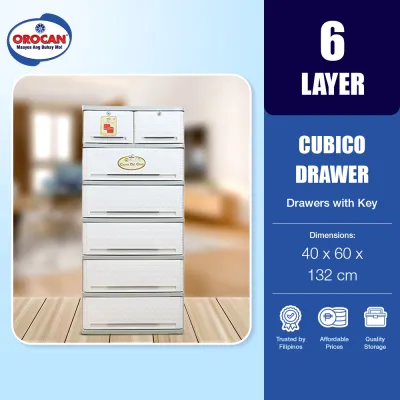
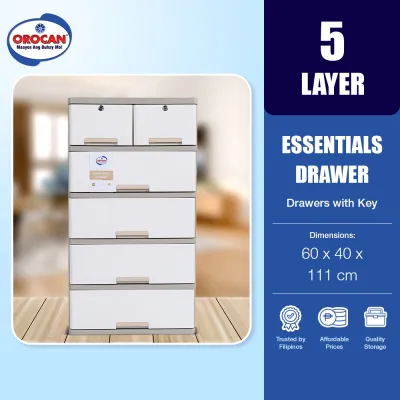
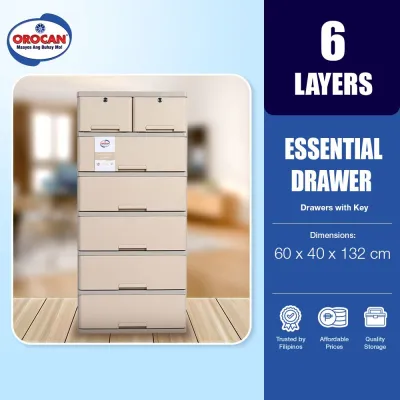
Prices are valid at publication and may change. Please refer to the product page for the latest price.
Equally important is the internal layout, which must accommodate your specific wardrobe, whether you need hanging space for uniforms and dresses or deep shelves for folded garments and bed linens. Because plastic furniture varies in density and design, verifying the structural stability and weight limits of the shelves is crucial to prevent bowing or tipping. Rather than searching for a single universal model, focus on evaluating the specific configurations available on the market to find the one that aligns with your household’s daily routine.
Measure Your Bedroom Space and Door Clearance
Before browsing any online marketplace or visiting a local department store, you must establish the exact physical boundaries of your bedroom. Start by measuring the floor footprint where the wardrobe will stand, using a reliable metal measuring tape. Do not rely on visual estimates, as baseboards, wall moldings, and uneven plaster can reduce the actual usable floor space by several centimeters. Measure the width and depth of the designated area, leaving a small buffer of at least two to three centimeters on all sides to ensure the plastic unit does not rub against the walls, which can cause scuffs or trap moisture in humid weather.

Next, calculate the door swing clearance if you are considering a wardrobe with hinged doors. Open doors require unobstructed space in front of the unit to swing fully open without hitting your bed frame, nightstands, or bedroom entry door. To determine this, measure the width of the wardrobe’s door panels as specified by the manufacturer, and project that distance outward into your room. If the pathway becomes too narrow for a person to walk through comfortably while the wardrobe doors are open, you may need to opt for a model with sliding doors or reposition the furniture entirely.
Vertical space is another critical dimension that is frequently overlooked. Measure the height from your bedroom floor to the ceiling, taking note of any overhead obstructions such as ceiling fans, light fixtures, air conditioning units, or decorative crown moldings. A tall wardrobe placed directly beneath a ceiling fan can create a serious safety hazard or block the distribution of cool air. Additionally, ensure there is sufficient clearance at the top of the wardrobe to allow for easy dusting and to prevent the unit from scraping the ceiling during installation.
Compare Door Styles and External Configurations
The external configuration of your wardrobe dictates both its storage capacity and how it influences the visual flow of your bedroom. Single-door units are highly compact and serve as excellent supplementary storage for small guest rooms or narrow corners. Double-door configurations represent the standard choice for most bedrooms, offering a balanced split that allows you to organize different clothing categories side by side. For larger households or shared bedrooms, multi-door setups provide expansive storage but require a wide, uninterrupted wall to prevent the room from feeling cramped.
When choosing between door mechanisms, weigh the spatial advantages of hinged doors against sliding doors. Hinged doors offer the benefit of full visibility, allowing you to open all compartments simultaneously to view your entire wardrobe at once. However, they demand significant clearance in front of the unit. Sliding doors, on the other hand, glide parallel to the frame, making them the ideal choice for tight spaces where the bed is positioned close to the wardrobe. The trade-off is that sliding doors typically expose only one half of the wardrobe’s interior at a time, which may slightly slow down your morning routine.
Beyond functionality, the external proportions of the wardrobe should maintain visual balance within your bedroom. A massive, dark-colored plastic cabinet can overwhelm a small, brightly lit room, making the space feel smaller than it actually is. Conversely, a tiny wardrobe in a spacious master bedroom can look out of place and fail to meet your storage needs. Look for neutral tones or wood-grain textures that complement your existing bed frame and walls, and choose a height-to-width ratio that matches the scale of your other furniture pieces.
Match Internal Layouts to Your Clothing Types
The true utility of a wardrobe lies behind its doors, where the internal layout must match the specific types of clothing you own. If your daily attire consists primarily of corporate wear, long dresses, uniforms, or delicate fabrics that wrinkle easily, prioritize a configuration with a sturdy hanging rod. Ensure the vertical hanging space is tall enough so that the hems of your garments do not bunch up at the bottom of the compartment. For shorter items like shirts, jackets, and folded trousers, a double-deck hanging rod setup can double your hanging capacity within the same footprint.
For those who prefer folded clothing, activewear, or need storage for bulky household items like bedsheets and towels, adjustable shelves are indispensable. Look for wardrobes that feature multiple shelf support slots, allowing you to customize the height of each compartment. This flexibility is particularly useful in the Philippines, where seasonal changes might require you to store heavy blankets during the warmer months and retrieve them when the rainy season arrives. Adjustable shelving also ensures you can accommodate tall items like storage boxes, bags, or shoes without wasting vertical space.
Integrated drawers add another layer of organization, providing a secure and dust-free environment for smaller items. Use these compartments to store undergarments, socks, handkerchiefs, and personal accessories that easily get lost on open shelves. When evaluating a wardrobe, check if the drawers are located at a comfortable height—typically at the bottom or waist level—so you do not have to bend down excessively to access your daily essentials. Some models even feature lockable drawers, which offer peace of mind for storing personal documents or small valuables.
Verify Plastic Quality and Structural Stability
Because plastic wardrobes are lightweight and flexible, verifying their material quality and structural stability is essential before finalizing your purchase. When inspecting a unit in a showroom or unboxing it at home, perform a physical check of the plastic panels. High-quality plastic should feel rigid and dense, not flimsy or brittle. Press gently on the center of the side panels; they should resist bending and return to their original shape immediately. Examine the joints and corners to ensure the molding is clean, without sharp excess plastic or visible gaps where the panels connect.
Load capacity is a critical factor that directly affects the lifespan of your furniture. Always locate and read the manufacturer’s weight capacity labels, which are typically found in the user manual or on a sticker inside the unit. Pay close attention to the maximum weight limit for individual shelves and the hanging rod. Overloading a plastic shelf can cause it to bow permanently, which compromises the alignment of the doors and can eventually lead to structural failure. If you plan to store heavy items like books, thick denim, or winter coats, distribute the weight evenly across the lower shelves rather than concentrating it on a single upper shelf.
Tipping hazards are a serious safety concern for any tall furniture piece, especially when loaded with heavy items or placed in homes with active children and pets. Tall plastic cabinets can become top-heavy if you store heavier items on the upper shelves. To mitigate this risk, always place your heaviest belongings, such as spare bedding or shoes, in the bottom compartments to lower the unit’s center of gravity. Additionally, check if the manufacturer includes a wall-anchoring kit; securing the wardrobe to a wall stud or concrete wall is highly recommended to prevent accidental tip-overs.
Inspect Components and Plan for Assembly
A successful wardrobe setup begins with a thorough inspection of all components immediately after delivery or purchase. Before starting the assembly process, clear a spacious, clean area on your bedroom floor and lay down a soft blanket or cardboard to protect the plastic panels from scratches. Unbox the unit carefully and cross-reference every item with the parts list provided in the instruction manual. Verify that all panels are flat and free of cracks, that the door hinges are intact, and that all necessary screws, dowels, and handles are present in the hardware pack.
Take the time to read through the assembly instructions completely before picking up any tools. Most plastic wardrobes utilize a snap-fit or modular locking system that requires minimal tools, but some may require a screwdriver or a rubber mallet to secure the joints. If the instructions seem overly complex or if you lack the physical strength to press the heavy panels together, do not hesitate to seek assistance from a family member or hire a professional assembly service. Forcing a plastic joint into place at the wrong angle can crack the material, permanently damaging the wardrobe before it is even used.
Once assembly is complete, perform a final quality check to ensure everything is aligned correctly. Open and close the doors several times to verify that they swing smoothly and meet evenly in the middle without rubbing against the frame. Slide the drawers in and out to test the glides; they should move freely without sticking or derailing. If you notice any misalignment, check if the wardrobe is standing on an even floor. In older homes with sloped floors, you may need to place small shims under the base of the wardrobe to level it, which will instantly correct door alignment and improve overall stability.
Frequently Asked Questions (FAQ)
How do I safely clean and maintain a plastic wardrobe?
Routine maintenance is straightforward but requires the right materials to preserve the plastic’s finish. Dust the exterior and interior surfaces regularly using a soft microfiber cloth to prevent dirt buildup. For stains or sticky spots, mix a few drops of mild dishwashing liquid with warm water, dampen a soft cloth, and gently wipe the affected area. Avoid using harsh chemical cleaners, bleach, or abrasive scrubbing pads, as these can scratch the plastic surface, strip away protective coatings, and cause premature discoloration.
Can I add extra shelves or modify the internal layout?
Modifying a plastic wardrobe depends entirely on its design and the manufacturer’s guidelines. Many models feature pre-molded slots or grooves along the inner walls, allowing you to reposition existing shelves or add official accessory shelves purchased directly from the brand. However, you should never attempt to drill holes, cut panels, or glue custom wooden shelves into the plastic frame. Altering the structural panels in this manner can weaken the entire cabinet, compromise its load-bearing capacity, and void any warranty provided by the manufacturer.
Community discussion
Share your experience or ask a question. Comments are reviewed before publication.