
An outdoor bar table and chair set can transform a simple balcony, patio, or poolside deck into a vibrant social hub, perfect for enjoying sunset drinks or casual weekend brunches. Finding the ideal set requires balancing spatial constraints, ergonomic comfort, material resilience against tropical elements, and your personal design style. To make an investment that lasts, you must look beyond aesthetics and evaluate how a set performs under daily use and local weather conditions.
Assess Your Space and Define Your Usage Needs
Before browsing online catalogs or visiting showrooms, you must precisely measure your outdoor footprint. Whether you are furnishing a compact high-rise condo balcony, a sprawling garden patio, or a poolside deck, space is the ultimate deciding factor. Start by measuring the length and width of the designated area. It is not enough for the bar table and chair set to simply fit within these dimensions; you must account for operational clearance. As a general rule, allow at least 30 to 36 inches of clear space behind each bar stool. This ensures guests can comfortably pull out their seats, sit down, and stand up without bumping into walls, railings, or planters.
Next, define your primary usage needs to determine the size and seating capacity of your set. If your goal is to enjoy a quiet morning coffee or evening cocktails with a partner, a compact bistro-style bar set with two stools is highly efficient. However, if you frequently host weekend barbecues or family gatherings, you will require a larger rectangular bar table that accommodates four to six stools.
Products mentioned in this guide
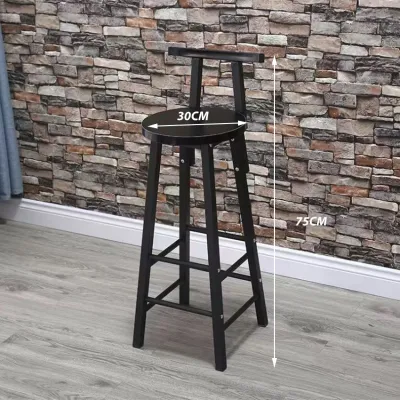
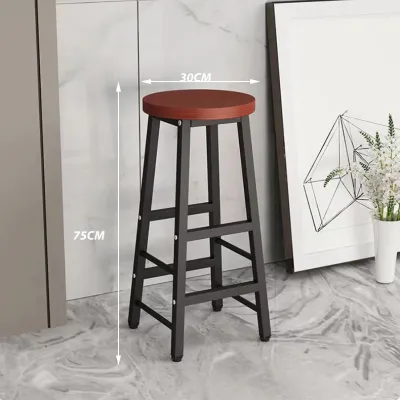
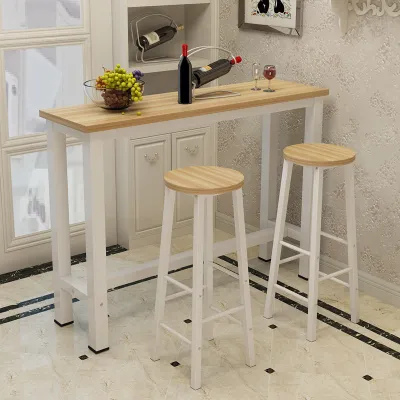
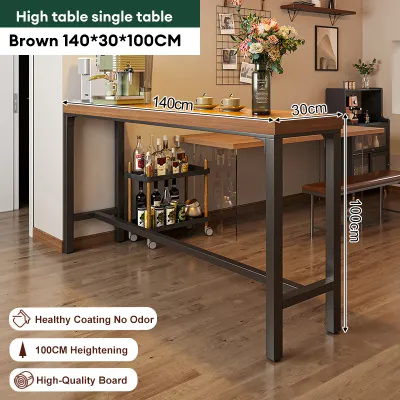
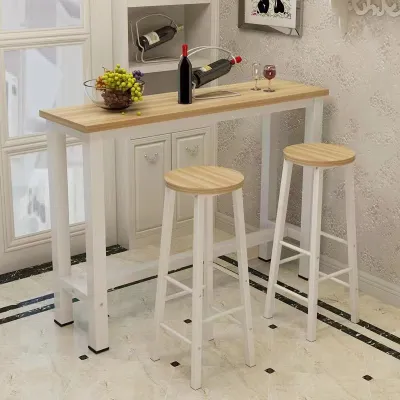
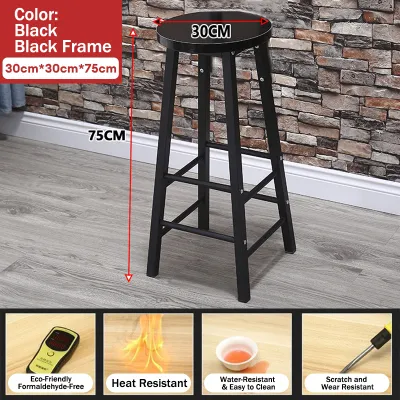
Prices are valid at publication and may change. Please refer to the product page for the latest price.
Take a close look at the traffic flow of your outdoor living area. Ensure the placement of the bar set does not obstruct sliding doors, walkways, or access to outdoor kitchen stations and grills. A poorly positioned table can create frustrating bottlenecks during social gatherings.
Finally, inspect the floor surface where the set will rest. Outdoor flooring varies widely, from smooth concrete and wooden decking to uneven stone pavers, tiles, or even grass. Tall bar tables have a higher center of gravity, making them sensitive to uneven ground. Check if the furniture features adjustable leveling feet or protective nylon glides. These components not only stabilize the table on uneven pavers but also protect delicate tiled or wooden floors from scratches when chairs are moved. If you are placing a set on a wooden deck or near a lift, verify the doorway and elevator dimensions beforehand to ensure the fully assembled pieces can be delivered to your space without damage.
Calculate the Right Bar Height and Clearances
Ergonomics play a critical role in how often you will actually use your outdoor bar table and chair set. Choosing the wrong combination of table and stool heights leads to physical discomfort and mismatched proportions. To avoid this common pitfall, you must understand the distinction between counter-height and bar-height furniture.

Standard bar-height tables typically stand between 40 and 42 inches tall from the floor to the tabletop. These are designed to pair with bar stools that have a seat height of 28 to 32 inches. In contrast, counter-height tables are lower, measuring 34 to 36 inches tall, and pair with stools that are 24 to 26 inches high. Mixing a bar-height table with counter-height stools, or vice versa, results in an awkward seating position that is either too low to reach the table comfortably or too high to fit your legs underneath.
To guarantee comfortable legroom, follow the standard clearance rule: aim for 10 to 12 inches of vertical space between the top of the stool seat and the underside of the tabletop or apron. This gap provides ample room for movement and prevents your thighs from pressing against the table frame.
Because bar stools are elevated, your feet will not naturally rest flat on the ground. Consequently, integrated footrests are an absolute necessity. Look for stools with footrests positioned at a comfortable height to support your legs and prevent fatigue during extended conversations. Check that the footrests are reinforced, as they bear significant weight when users climb onto the stools.
The design of the table base also influences physical comfort and space efficiency. A central pedestal base offers maximum legroom and allows you to tuck the stools completely under the table when not in use, which is ideal for tight spaces. However, four-legged tables often provide superior stability, though they may limit how close you can slide the chairs together or tuck them in, depending on the distance between the legs.
Evaluate Materials for Tropical Weather Resistance
In the Philippines, outdoor furniture must withstand intense tropical conditions, including scorching midday sun, high humidity, salt air in coastal areas, and heavy monsoon downpours. A material’s name alone does not guarantee durability; you must inspect the specific finishes, joints, and construction details.
Frames and Structural Integrity
When comparing frame materials, look for options that resist rust and structural degradation.
- Cast Aluminum: Naturally rust-proof and lightweight, making it easy to move. Ensure it features a thick, polyester powder-coated finish to prevent chipping and bubbling.
- Powder-Coated Steel: Highly durable and heavy, which prevents tipping in windy areas. However, steel is susceptible to rust if the coating is scratched. Look for hot-dip galvanized steel frames with marine-grade hardware to prevent rust at the joints.
- Teak: A premium natural wood containing high levels of natural oils that resist moisture and insects. Check the manufacturer's care instructions to see if seasonal application of teak oil or sealer is required to maintain its golden-brown color, or if you prefer to let it weather naturally to a silver-grey patina.
- Synthetic Wicker (High-Density Polyethylene): Ensure the wicker is hand-woven over a rust-proof aluminum frame. Avoid cheap PVC wicker, which cracks and fades quickly under intense UV exposure.
Surfaces and Heat Retention
The tabletop surface must handle both moisture and thermal expansion. If you choose a metal tabletop, such as dark aluminum or steel, be aware that dark surfaces absorb significant heat in direct sunlight. This can make the tabletop uncomfortably hot to touch during the day. Look for light-colored finishes, slatted wood tops that allow heat and water to dissipate, or stone-look composite tops. Always check for UV-resistant coatings that prevent color fading and surface degradation.
Cushions and Performance Fabrics
If your bar stools include cushions, the fabric and filling must be engineered to manage moisture and prevent mold or mildew.
- Solution-Dyed Acrylic: Look for high-performance outdoor fabrics like Sunbrella. These fibers are dyed to the core, making them highly resistant to UV fading and water damage.
- Quick-Dry Foam: Standard indoor foam acts like a sponge, trapping water and breeding mold. Verify that the cushions feature open-cell, quick-dry foam cores that allow water to drain through rapidly.
- Removable Covers: Ensure the cushion covers feature rust-proof zippers and are removable for easy machine washing or spot cleaning.
Always read the manufacturer’s warranty and care instructions to understand the specific weather tolerances of the set. If instructions conflict with your local environment, or if the material is not rated for heavy rain, consider alternative options.
Coordinate Style with Your Existing Patio Setup
An outdoor bar table and chair set should not look like an afterthought; it should complement the architectural style of your home and your existing patio decor. Start by identifying the dominant design theme of your outdoor living space.
If your home features clean lines, neutral colors, and minimalist architecture, a modern bar set with a sleek powder-coated aluminum frame and a matching slatted tabletop will integrate seamlessly. For homes with a tropical resort aesthetic, a natural teak set or a rich, hand-woven synthetic wicker bar set paired with neutral cushions creates a warm, inviting atmosphere. If you prefer an industrial look, look for sets combining dark metal frames with distressed wood-look composite tops.
Coordinate the colors, textures, and finishes of your new bar set with existing elements, such as your patio dining set, outdoor rugs, throw pillows, and even the exterior wall paint. You do not need an exact match, but the materials should share a common visual thread—such as matching black metal accents or complementary warm wood tones.
Consider the visual weight of the furniture in relation to your space. In a compact balcony or a narrow veranda, heavy, solid-wood bar sets can make the area feel cramped and dark. Instead, opt for sleek, open-frame, or slender metal designs that allow light to pass through, maintaining an airy and spacious feel. Conversely, a small, delicate bistro set may look lost on a large, open garden patio or next to a grand swimming pool. In spacious settings, sturdier, more substantial sets with wider profiles and built-in shelving or storage cabinets establish a strong, functional focal point.
Verify Stability, Comfort, and Upkeep
Before finalizing your purchase, perform a thorough check of the physical construction, safety features, and long-term maintenance requirements of the bar set.
Stability and Wind Resistance
Because bar-height tables and stools are taller than standard dining furniture, they have a higher center of gravity. This makes them more vulnerable to tipping over during high winds or tropical storms. Evaluate the base width and weight distribution of the table. A heavy base, wide leg stance, or weighted pedestal provides essential stability. If you live in a high-wind area, such as a high-rise balcony or an open coastal spot, choose heavier materials like cast iron, heavy steel, or solid teak, and avoid lightweight plastic or thin aluminum unless the set can be anchored to the floor or wall.
Comfort and Ergonomic Support
A bar stool is only as good as its comfort level. If you plan to spend hours entertaining, look for stools with supportive backrests and comfortable seat depths (typically 16 to 18 inches). Check the backrest angle; a slight recline is far more comfortable than a completely vertical, 90-degree back. Stools with armrests provide additional comfort, but ensure the armrests are low enough to slide under the tabletop when the stools are tucked in.
Maintenance and Care Routine
Long-term durability depends heavily on your upkeep routine. To protect your investment, use breathable, water-resistant furniture covers during the rainy season or when the set is not in use. This prevents moisture from trapping underneath, which can cause mold or wood rot. Clean spills promptly with mild soap and water, and avoid using abrasive chemical cleaners that can strip away protective UV coatings. For natural wood sets, check if seasonal oiling or sealing is recommended by the manufacturer to preserve the wood’s structural integrity and color.
Frequently Asked Questions (FAQ)
Can I use indoor bar stools outside?
You should not use indoor bar stools in an outdoor setting unless the manufacturer explicitly rates them for outdoor or all-weather use. Indoor furniture materials typically lack UV-resistant coatings, rust-proof hardware, and moisture-resistant finishes. When exposed to the elements, indoor wood can warp and split, metal frames will rapidly rust, and fabrics will fade, rot, or develop mold within a few weeks of exposure to humidity and rain. Always choose stools specifically engineered for outdoor environments to ensure safety and longevity.
How do I protect my outdoor bar set during the rainy season?
To protect your outdoor bar table and chair set during heavy rainy seasons, invest in high-quality, breathable, and water-resistant furniture covers that feature secure tie-downs or drawstrings to prevent them from blowing away. Store removable fabric cushions and pillows indoors or in a watertight deck box when not in use. If your patio or outdoor area is prone to pooling water or minor flooding, elevate the furniture legs using protective risers or move the entire set to a covered, elevated area to prevent the frames from sitting in standing water, which can accelerate rust and wood rot.
Community discussion
Share your experience or ask a question. Comments are reviewed before publication.