
Choosing the right partition rack divider size for your existing shelves is a matter of matching three critical dimensions: the internal depth of your shelf, the clear vertical height between shelves, and the exact thickness of your shelf boards. Getting these measurements right ensures your dividers slide on smoothly, stand upright under pressure, and do not damage your furniture. By taking a few precise measurements and understanding how different mounting styles interact with your shelving material, you can easily find a compatible solution that requires zero drilling or permanent modifications.
Measure Your Shelf Dimensions Accurately
To begin, grab a reliable metal tape measure. Avoid soft sewing tapes, which can sag and introduce errors. Measure the actual usable space inside your shelving unit, not the external frame.
First, measure the internal depth of the shelf. Place the hook of your tape measure at the back of the shelf and pull it straight to the front edge. If your bookcase has a backboard, measure from its inside face. Be mindful of any protruding lips, decorative molding, or baseboards at the back that might reduce the actual usable depth. If your shelf has a front lip, measure the depth from the backboard to the inside of that lip to ensure the divider can sit fully flat.
Products mentioned in this guide
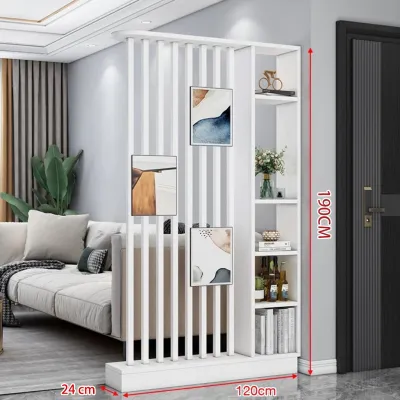

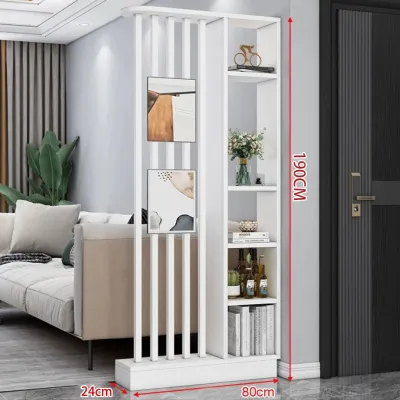
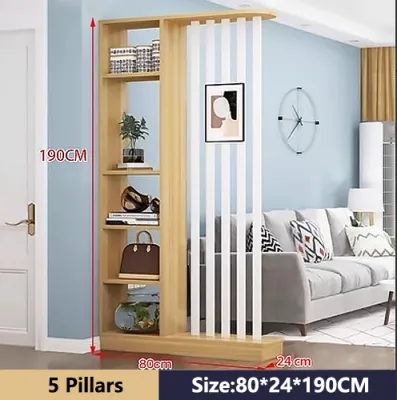

Prices are valid at publication and may change. Please refer to the product page for the latest price.
Next, determine the internal height. Measure the vertical space from the top surface of the lower shelf to the bottom surface of the shelf directly above it. Take this measurement at both ends and in the middle. Shelves can sag over time under heavy loads, meaning the height in the center might be slightly less than near the side panels. This measurement is crucial because a divider that is too tall will not slide into the opening, while one that is too short might leave too much empty space at the top, allowing tall items to lean and fall over.
Finally, measure the exact thickness of your shelf boards. This step is vital if you plan to use clip-on, snap-on, or slot-in dividers. Use a caliper or a precise ruler to measure the board thickness at the front edge. Even a tiny variance of two millimeters can mean the difference between a divider that slides on securely and one that either cracks your shelf laminate or wobbles constantly.
Match the Divider Mounting Type to Your Shelf
Once you have your measurements, match them to the correct mounting style. Different dividers interact with your shelves in distinct ways, and choosing the wrong type can lead to unstable organization or permanent damage to your furniture.

Freestanding dividers are highly versatile because they do not attach permanently to the shelf. Instead, they rely on a wide base plate and gravity to stay upright. For these to work, your shelf depth must be equal to or greater than the depth of the divider’s base. If your shelf is too shallow, the base will overhang, creating an unstable setup that can easily tip forward when you pull an item out. These are ideal for solid wood, metal, or glass shelves where you want to avoid clipping mechanisms.
Clip-on or snap-on dividers are popular for wooden and wire shelves. These dividers feature a tension clip at the bottom that slides directly onto the front edge of the shelf board. When choosing this style, check the manufacturer’s specified thickness range. Forcing a clip designed for a 15-millimeter board onto a 20-millimeter board can split the wood, chip the veneer, or snap the plastic clip itself. Conversely, using a clip that is too wide will result in a loose, leaning divider.
Adhesive and tension-based dividers offer alternative mounting paths. Tension dividers use spring-loaded mechanisms or adjustable screws to press against the upper and lower shelves. These require sturdy, solid wood or metal shelves, as the outward pressure can bow or crack thin particleboard. Adhesive options are easy to install but require a smooth, non-porous surface like laminate or metal. High humidity in tropical climates can weaken adhesives over time, and removing them later might peel away paint or wood finishes.
Check Clearance, Stability, and Weight Limits
Selecting the right size is not just about making the divider fit; it is also about ensuring the entire setup remains safe and stable under daily use.
Start by verifying that the divider height matches the items you plan to store. If you are organizing tall binders, heavy cookbooks, or large handbags, the divider should reach at least two-thirds of the item’s height. If the divider is too short, the center of gravity of the stored items will sit above the partition, causing them to spill over the top edge and potentially pull the divider down with them. Additionally, ensure there is enough vertical clearance above the divider so you can easily lift items up and out without hitting the shelf above.
Next, consider the weight capacity of your existing shelf. Adding multiple heavy metal or thick acrylic dividers, along with the items themselves, increases the dead load on the shelf. Check your furniture manufacturer’s guidelines to ensure the shelf can support this combined weight without sagging. Sagging shelves not only look unsightly but also cause dividers to lean inward, ruining your alignment. Distribute the weight evenly across the shelf, placing heavier items near the supported sides rather than clustering them in the middle.
For freestanding dividers, pay close attention to the base footprint. A narrow base is fine for light items like folded t-shirts, but heavy books require a wider, more substantial base. When heavy objects lean against a freestanding divider, the lateral force can easily slide or tip a poorly balanced partition. Look for designs with non-slip silicone feet or weighted bases to counteract this lateral pressure and prevent the “domino effect” of falling books.
Common Sizing and Fit Mistakes to Avoid
Many homeowners run into trouble by making simple, avoidable errors during the planning and purchasing stages.
One common mistake is forgetting to subtract the thickness of the shelf’s side panels or support brackets when calculating the total horizontal space. If you plan to line up five dividers across a shelf, you must measure the clear internal width from side wall to side wall, not the external width of the bookcase.
Another frequent oversight is ignoring hidden obstructions. Wall plugs, protruding shelf support pins, or uneven back panels can prevent a divider from sitting flush against the back of the shelf. Always check the corners and sides of your shelves for these small hardware pieces before finalizing your measurements.
Additionally, many people forget to account for the height of the items themselves when calculating vertical clearance. If your shelf height is 30 centimeters and your divider is 25 centimeters, you only have 5 centimeters of clearance at the top. If you are storing items that are exactly 30 centimeters tall, you will not be able to lift them over the divider easily.
Finaly, never assume a universal fit. Many online marketplace listings advertise “standard” sizes, but furniture standards vary widely across different brands and regions. A clip-on divider designed for thin wire shelving will not fit a thick, solid wood bookshelf. Always verify the exact millimeter tolerances provided by the manufacturer rather than relying on generic size labels. It is often wise to buy a single divider to test the fit before purchasing a bulk pack for your entire shelving system.
Frequently Asked Questions (FAQ)
Can I use a partition rack divider on a glass shelf?
Using clip-on or tension-based dividers on glass shelves is generally unsafe. The concentrated pressure from a tight metal clip or a spring-loaded tension rod can easily stress the glass, leading to sudden shattering or deep scratches.
Instead, opt for freestanding dividers. Look for models equipped with soft, non-scratch silicone or rubber pads on the base. These pads prevent the divider from sliding around while protecting the delicate glass surface from scratches. Always verify the weight rating of your glass shelf before adding heavy items.
What if my shelf depth is deeper than the available dividers?
If your shelves are deeper than standard retail dividers, you can use a staggered or tandem arrangement. Placing two shorter dividers front-to-back can help organize shallow items like shoes or small bags while keeping them aligned.
Alternatively, you can install a backstop or a shelf liner to push your items toward the front of the shelf. This keeps your organized items within easy reach and allows standard-sized dividers to function perfectly without leaving awkward, unreachable gaps at the back of your deep shelving unit. You can also look for adjustable-depth dividers that slide to expand to your exact shelf depth.
Community discussion
Share your experience or ask a question. Comments are reviewed before publication.