
Selecting the right plastic cabinet for clothes requires balancing storage capacity, structural durability, and room layout. While plastic wardrobes are popular for their lightweight design, resistance to rust, and ease of cleaning, choosing a model that cannot support your daily wardrobe can lead to sagging shelves and broken drawers. By focusing on key physical dimensions, material specifications, and safety features, you can find a reliable storage solution that keeps your garments organized and protected.
Here is a comprehensive guide to help you evaluate your options and make an informed purchase.
Measure Your Space and Define Storage Needs
Before browsing online marketplaces or local furniture stores, you must determine the exact physical footprint your new cabinet can occupy. Start by measuring the available floor width and depth in your bedroom or closet area. Be sure to account for baseboards, wall outlets, and light switches that might restrict how flush the unit can sit against the wall.
Products mentioned in this guide
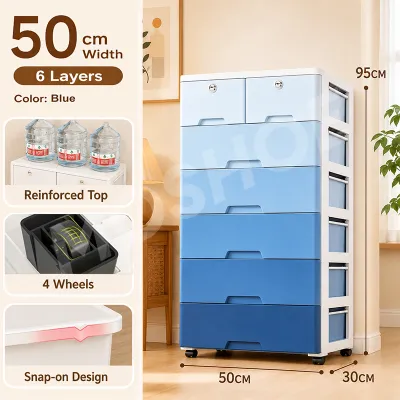
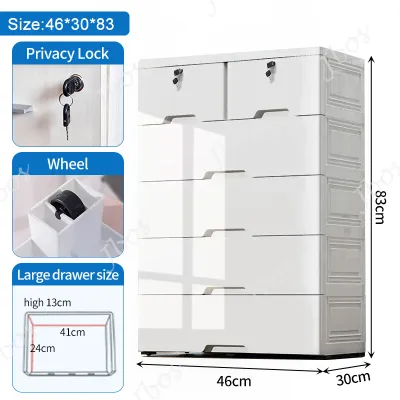
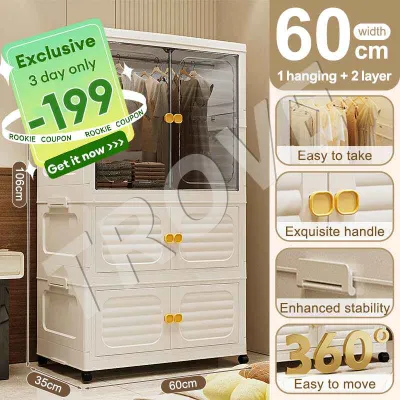
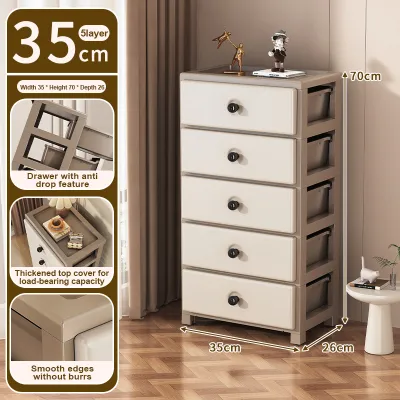
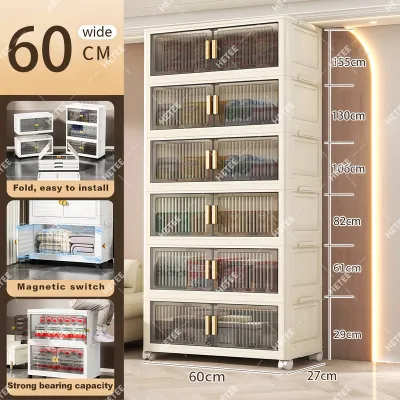
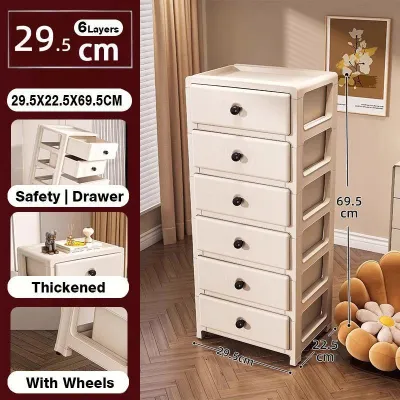
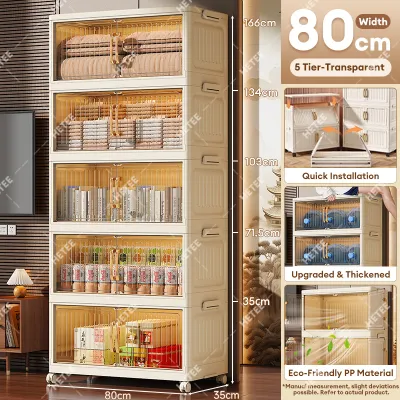
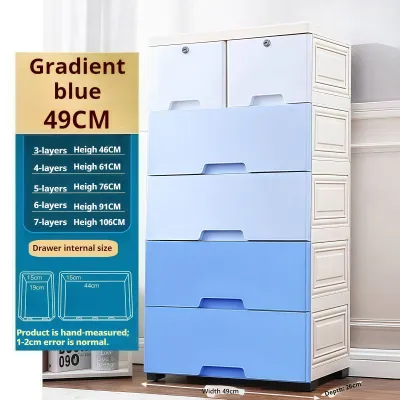
Prices are valid at publication and may change. Please refer to the product page for the latest price.
Vertical clearance is equally important, especially if you plan to place items on top of the cabinet. Measure the height from the floor to the ceiling, keeping in mind any low-hanging light fixtures, ceiling fans, or air conditioning units. If the cabinet features swing-out doors rather than sliding panels or drawers, measure the clearance in front of the unit to ensure the doors can open fully without hitting your bed, desk, or doorway.
Next, take inventory of your clothing collection to estimate the volume and type of storage you need. If your wardrobe consists mostly of t-shirts, jeans, and folded activewear, you will require a configuration dominated by deep drawers or wide shelves. Conversely, if you need to store dresses, button-down shirts, or uniforms, prioritize units that include a dedicated hanging rod with sufficient vertical drop.
Finally, compare the external dimensions of the product with your room layout while keeping ventilation in mind. In tropical climates like the Philippines, high humidity can trap moisture inside tightly sealed spaces, leading to musty odors or mildew on fabrics. Selecting a cabinet size that leaves a few centimeters of breathing room between the unit and adjacent walls will promote healthy airflow and protect your clothes.
Evaluate Plastic Quality and Weight Capacity
Because plastic is inherently more flexible than wood or metal, verifying the structural integrity and weight limits of a cabinet is essential before buying. Manufacturers typically specify the maximum weight capacity for individual shelves, drawers, and the overall frame. Always check these ratings against the types of clothing you plan to store, keeping in mind that folded denim and heavy jackets weigh significantly more than light summer wear.

To ensure the cabinet will not warp or buckle under load, inspect the product details for specific structural reinforcements. Look for the following design features:
- Reinforcement Ribs: Molded plastic grids or support beams on the underside of shelves that distribute weight evenly and prevent sagging.
- Thickened Panels: Double-walled or heavy-duty plastic panels that offer superior resistance to bending and twisting.
- Sturdy Connection Joints: Interlocking snap-fit connectors or metal-reinforced joints that keep the frame rigid under daily use.
Environmental factors also play a major role in how well the plastic holds up over time. High humidity and ambient moisture can weaken low-quality plastics or cause joints to loosen. Look for product descriptions that explicitly mention moisture-resistant materials, which help prevent the absorption of dampness and keep the interior environment dry and clean.
Compare Compartment Layouts and Accessibility
An organized wardrobe relies on a layout that matches your daily dressing habits. Plastic cabinets come in a wide variety of configurations, ranging from multi-tiered drawer units to modular wardrobes with integrated hanging spaces. Assess your daily routine to decide whether a stack of drawers, open shelving, or a combination of both will serve you best.
If you choose a model with drawers, pay close attention to the glide mechanisms and handle designs. Fully loaded drawers can become heavy and difficult to pull open if they rely solely on basic plastic-on-plastic friction. Look for cabinets featuring built-in rollers, smooth track glides, or molded handles that allow you to access your clothes effortlessly without pulling the entire unit forward.
Adjustability is another key factor for long-term usability. Wardrobes with adjustable or removable internal shelves give you the flexibility to reconfigure the interior as your storage needs change. This feature is particularly useful when you need to clear space for bulky bedding, storage boxes, or taller footwear at the bottom of the cabinet.
Verify Stability, Safety, and Assembly Conditions
Safety should always be a primary consideration when selecting freestanding furniture, particularly lightweight plastic units. Because these cabinets are relatively light when empty, they can easily become top-heavy once filled with clothes. This creates a potential tipping hazard that must be addressed during installation.
To ensure a secure setup, look for units that include an anti-tip wall anchoring kit. These kits allow you to secure the back of the cabinet directly to the wall studs, preventing the unit from falling forward if a child attempts to climb it or if multiple top drawers are opened simultaneously. If you live in a home with children or pets, prioritizing a model with reliable anchoring hardware is a critical safety step.
Additionally, evaluate the physical design of the cabinet’s base. A wider footprint, low-profile legs, or a solid flat base help distribute weight more effectively, lowering the center of gravity and improving overall stability. Avoid top-heavy configurations where the deepest drawers are positioned at the very top of the unit.
Finally, consider the practical aspects of assembly before finalizing your purchase. Most plastic cabinets are shipped flat-packed to reduce shipping costs, requiring you to assemble them at home. Review the manufacturer’s instructions to understand the complexity of the parts, the tools required, and the estimated setup time. Many modern designs feature tool-free, snap-together assembly, which can save you significant time and effort during installation.
Frequently Asked Questions (FAQ)
Can plastic cabinets support heavy winter clothes or denim?
Yes, plastic cabinets can support heavier garments like denim, jackets, and sweaters, provided you strictly adhere to the manufacturer’s stated weight limits. To maintain structural integrity, always distribute heavier items across the lower shelves or bottom drawers of the cabinet. This practice keeps the center of gravity low, reducing the risk of tipping and preventing the upper shelves from bowing or showing stress marks over time.
How do I prevent a plastic wardrobe from warping or degrading?
To prolong the life of your plastic wardrobe, place it away from direct heat sources, radiators, and prolonged exposure to direct sunlight, which can cause the plastic to become brittle and fade. Always respect the specified weight limits to avoid long-term stress deformation on the shelves and frame. For maintenance, clean the surfaces regularly using a soft cloth and mild, non-abrasive soapy water, avoiding harsh chemical solvents that can degrade the plastic finish.
Community discussion
Share your experience or ask a question. Comments are reviewed before publication.