
Selecting the right coffee table for a compact living area requires balancing functionality, style, and physical space. A plastic coffee table is an excellent solution for small homes, offering a lightweight, highly versatile, and moisture-resistant alternative to traditional wood or metal furniture. In warm, humid climates, high-quality plastic resists warping and rust, making it exceptionally durable for daily indoor use.
To make the most of a limited layout, you must look beyond aesthetics. The ideal table must maintain comfortable walkways, provide reliable stability, and offer smart design features that prevent the room from feeling overcrowded. By focusing on precise measurements, structural details, and functional layouts, you can find a piece that enhances your living space without disrupting your daily routine.
Measure Your Space and Plan Traffic Flow
Before browsing online marketplaces or visiting local showrooms, you must determine the exact footprint your living room can accommodate. A coffee table that is too large will restrict movement, while one that is too small will be difficult to reach from the sofa. Start by measuring the available floor space directly in front of your seating area.
Products mentioned in this guide



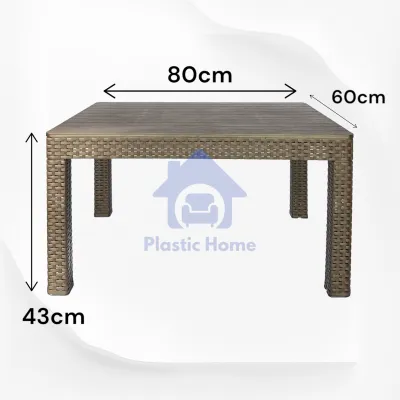
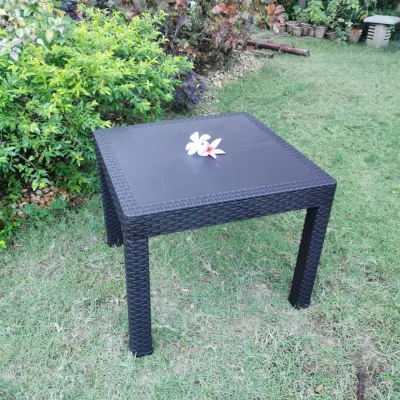
Prices are valid at publication and may change. Please refer to the product page for the latest price.
Maintaining a clear walkway is essential for a comfortable living room. As a general rule, aim for a clearance of 30 to 45 centimeters between the edge of the sofa cushion and the edge of the coffee table. This distance provides sufficient legroom for sitting and standing while keeping drinks and remotes within easy reach. If your space is exceptionally tight, keeping this clearance closer to 30 centimeters will help maximize your remaining floor area.
The shape of the table plays a significant role in how easily you can navigate a small room. Round and oval plastic tables are highly recommended for high-traffic zones because they lack sharp corners. This rounded design prevents painful bumps and allows family members to move smoothly around the furniture. Rectangular and square tables align neatly with long sofas, but their sharp edges can make tight corners difficult to navigate.
You must also account for the surrounding environment and daily traffic patterns. Consider the swing path of nearby doors, access to balconies, and the placement of adjacent furniture like armchairs or TV consoles. In tropical homes where open doors and windows are frequently used to promote natural ventilation, ensure the table does not block these vital pathways. Taking these physical boundaries into account ensures your layout remains functional and open.
Evaluate Build Quality and Stability
Because plastic is inherently lightweight, evaluating the structural integrity of a table is crucial to ensure it remains safe and functional. A poorly constructed plastic table can easily wobble, slide, or tip over when bumped. To prevent accidents, look closely at the design of the base and the thickness of the legs.

A stable plastic coffee table typically features thick, reinforced legs or a wide, flared base that distributes weight evenly across the floor. Look for models that incorporate cross-bracing or molded support ribs underneath the tabletop, as these features prevent the plastic from flexing or sagging under pressure. If your living room has slightly uneven flooring, a table with a broader footprint or adjustable leveling feet will offer superior stability.
The surface treatment of the table is another critical factor for long-term durability. Standard, untreated plastic can scratch easily from everyday items like keys, ceramic mugs, or decorative trays. Instead of relying solely on generic material names, look for tables with textured, matte, or scratch-resistant finishes. These specialized surfaces help disguise minor wear and tear, keeping the table looking clean and new over years of use.
Weight capacity is a vital specification that you should always verify before making a purchase. While you might only plan to use the table for light items like books, remote controls, or a cup of coffee, knowing the manufacturer’s stated weight limit prevents structural failure. Avoid overloading the table beyond this limit to prevent permanent warping or cracking.
If your living room receives abundant natural sunlight, sun exposure is an important environmental factor to consider. Prolonged exposure to harsh sunlight through large windows can cause certain plastics to fade, yellow, or become brittle over time. To protect your investment, look for products specifically labeled as UV-resistant or fade-resistant, which are designed to withstand sunlit indoor environments.
Choose Space-Saving and Functional Designs
In a small living room, every piece of furniture should work double duty to maximize efficiency. Plastic coffee tables are uniquely suited for innovative, space-saving designs due to the flexibility of the manufacturing process. Selecting a table with built-in functionality can help you keep your living area organized and clutter-free.
Nesting tables are an exceptional choice for compact spaces. These sets typically consist of two or three tables of graduating sizes that slide completely underneath one another when not in use. This design allows you to keep the floor clear for daily activities, while easily expanding your surface area when hosting guests or working from home. Stackable plastic tables offer similar benefits, allowing you to store extra surfaces vertically.
Storage-focused designs are also highly beneficial for managing clutter in tight quarters. Look for plastic tables that feature integrated lower shelves, hollow bases, or removable tops with hidden storage compartments inside. These areas are perfect for stashing extra throw blankets, magazines, board games, or electronic accessories, keeping the main tabletop clean and presentable.
The visual weight of a piece of furniture greatly influences how large a room feels. Transparent or translucent plastic tables, often made from acrylic or polycarbonate, are highly effective design tools for small spaces. Because light passes directly through them, they occupy very little visual space, creating the illusion of an open, airy room. If transparent designs do not fit your style, choosing a table with slender legs rather than a solid block base will achieve a similar light, spacious effect.
Verify Delivery Access and Inspect Upon Arrival
The buying process does not end once you select a design; you must also plan for a smooth delivery and setup. Even though plastic coffee tables are generally lightweight, their packaged dimensions can sometimes catch buyers by surprise, especially if the item is delivered fully assembled.
Before finalizing your order, measure all entryways, elevator doors, stairwells, and hallway corners that the package must pass through to reach your living room. This step is particularly important for residents of high-rise condominiums or apartment complexes with narrow corridors. Comparing these measurements against the manufacturer’s packaged dimensions will help you avoid costly delivery failures or the frustration of a box stuck in a doorway.
Once the table arrives, unbox it immediately and conduct a thorough physical inspection. Check the plastic surface for any signs of warping, uneven legs, or structural cracks that may have occurred during transit. Run your hand along the edges and seams to check for sharp molding burrs or rough spots left over from the manufacturing process, which should be smoothed down to prevent scratches.
Finally, review the assembly requirements and inspect the included hardware. Many plastic tables feature simple, tool-free assembly where the legs snap or screw directly into the base. However, some models may require basic tools like a screwdriver or a hex key. Confirming that all parts, screws, and instructions are present in the box before you begin assembly will ensure a quick, hassle-free setup.
Frequently Asked Questions (FAQ)
How do I clean a plastic coffee table without scratching it?
To clean your plastic coffee table safely, use a soft microfiber cloth dampened with warm water and a few drops of mild dish soap. Gently wipe the surface to remove dust, spills, or fingerprints, and dry it immediately with a clean, dry cloth to prevent water spots. Avoid using abrasive scrubbing pads, steel wool, or harsh chemical cleaners containing acetone, ammonia, or bleach, as these substances can dull the finish and leave permanent scratches.
Can a plastic coffee table hold a heavy glass top?
You should only add a glass top to a plastic coffee table if the manufacturer’s specifications explicitly state that the frame can support the additional weight. Glass is exceptionally heavy, and placing it on an unreinforced plastic frame can cause the table to warp, buckle, or tip over. If you wish to use a glass top, ensure the plastic base has a wide, stable footprint and multiple solid support points to distribute the weight safely.
Community discussion
Share your experience or ask a question. Comments are reviewed before publication.