
Finding the right kitchen storage solution in tropical climates requires balancing accessibility, moisture resistance, and pest protection. A plastic drawer cabinet offers a highly practical, rust-proof, and easy-to-clean alternative to traditional wooden or metal pantry furniture. To store dishes, utensils, and dry pantry goods effectively, a highly functional setup combines a multi-tiered system featuring shallow, divided top drawers for cutlery, reinforced medium-depth drawers for daily dinnerware, and deep, heavy-duty bottom bins for bulk ingredients. Choosing the correct configuration ensures your kitchen remains organized, hygienic, and safe from the warping and mold risks common in high-humidity environments.
Quick Answer: Ideal Plastic Drawer Configurations for Kitchen Storage
To maximize efficiency and protect your kitchen essentials, a tiered plastic drawer cabinet with varying drawer depths is a highly practical choice.
- Shallow, divided drawers (approx. 8 to 12 cm deep): Best for utensils, cutlery, and small tools. These prevent items from piling up, sliding around, or becoming tangled during daily use.
- Medium-depth, reinforced drawers (approx. 15 to 20 cm deep): Ideal for everyday ceramic plates, bowls, and glassware. These must feature reinforced bases or ribbed side panels to handle the concentrated weight of stacked dinnerware without bowing.
- Deep, open-bin drawers (approx. 25 cm or deeper): Well-suited for bulky pantry items, packaged goods, and lightweight small appliances. These deep compartments allow you to store items vertically, making it easier to read labels and access ingredients.
By matching the drawer depth to the specific height and weight of your kitchen items, you prevent structural strain on the plastic frames while keeping your daily essentials within easy reach.
Products mentioned in this guide
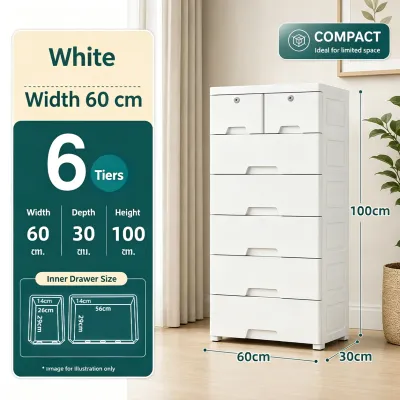

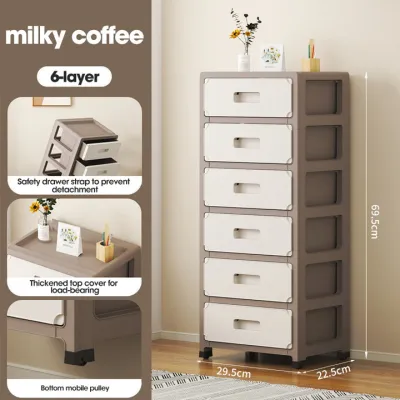
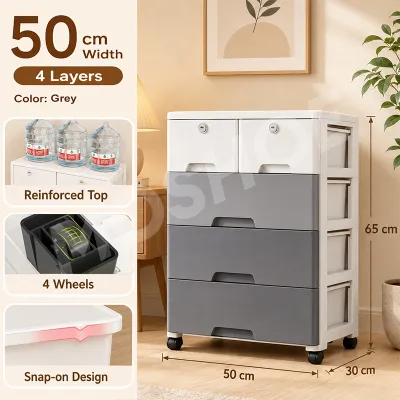
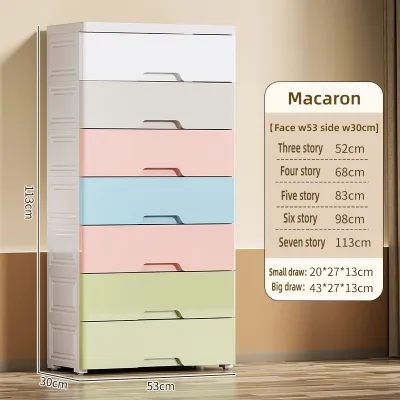
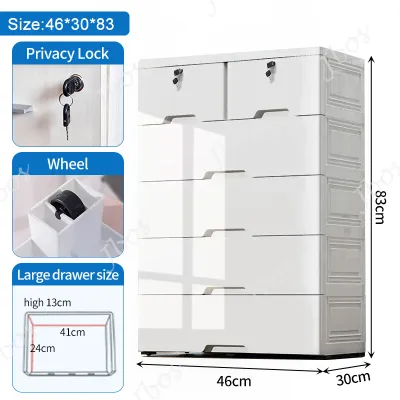

Prices are valid at publication and may change. Please refer to the product page for the latest price.
Assess Your Kitchen Inventory and Available Space
Before purchasing a plastic drawer cabinet, a thorough audit of your kitchen inventory and physical space is essential to avoid overloading and fitment issues.

Begin by categorizing your kitchen items by weight, fragility, and how often you use them. Heavy ceramic plates, stoneware, and canned goods require robust support and should always be designated for the lowest drawers to maintain a low center of gravity. Fragile glassware and daily-use utensils are better suited for waist-height or chest-height drawers where they can be accessed without excessive bending.
Next, measure your available floor space with precision. In many homes, kitchen layouts can be tight, making it crucial to check the clearance path for fully extended drawers. Ensure that opening a drawer completely will not block walkways, hit refrigerator doors, or obstruct the sink area. If you plan to place the cabinet in a narrow utility area or beside a dining table, measure both the static footprint and the dynamic footprint when the drawers are pulled out.
Finally, identify your current kitchen storage pain points. Are your wooden cabinets suffering from mold or termite damage due to high humidity? In tropical climates like the Philippines, moisture can quickly ruin traditional wood, making a durable plastic cabinet a highly practical investment. Recognizing these issues helps you select a plastic cabinet with the specific features—such as airtight seals or clear drawer fronts—needed to solve your unique household challenges.
Match Drawer Depths and Layouts to Your Items
Selecting the right drawer configuration is not just about aesthetics; it directly impacts how well your kitchen functions on a daily basis.
For utensils, cutlery, and small kitchen tools, shallow drawers are highly effective. When utensils are thrown into deep bins, they quickly become a cluttered mess, making it difficult to find a simple bottle opener or paring knife. Look for plastic cabinets that feature built-in dividers or shallow top drawers that can easily accommodate aftermarket organizing trays. Keeping these drawers shallow prevents items from shifting violently when opened, protecting delicate spoon handles and sharp knife edges from constant friction.
When it comes to dishes, bowls, and glassware, the primary concern is structural integrity. Stacked ceramic plates are deceptively heavy, and placing them in standard, thin-walled plastic drawers can cause the plastic to sag over time. Choose medium-depth drawers that limit how high you can stack your plates, which naturally prevents overloading. To secure these items, look for drawers with non-slip textured bases or use silicone drawer liners. This prevents plates and glasses from sliding and clashing, reducing the risk of chips and cracks.
For pantry goods, deep drawers function as highly efficient pull-out bins. Storing items like flour bags, pasta boxes, canned sauces, and condiments in deep drawers allows you to organize them vertically. This vertical storage method is far superior to deep, dark shelves because you can view all your ingredients from above at a single glance. Opt for drawers with clear front panels so you can easily monitor expiration dates and inventory levels without opening every compartment. Adjustable internal dividers are also highly beneficial here, allowing you to separate heavy jars from soft, crushable snack packages.
Verify Build Quality and Safety for Kitchen Use
Because kitchen environments are subject to moisture, heat, and heavy loads, verifying the build quality of a plastic drawer cabinet is a critical safety step.
First, check the manufacturer’s specified weight limits for each drawer and the overall cabinet frame. High-quality plastic cabinets designed for heavy-duty storage often feature structural reinforcements, such as ribbed side panels, double-walled drawer fronts, or integrated metal support bars under the drawer tracks. Avoid models made from thin, flexible plastic that twists easily under light hand pressure. The drawer slides or tracks should operate smoothly; look for roller wheel systems or metal tracks that prevent the drawers from sticking or derailing when fully loaded.
Stability is another paramount safety concern, especially when multiple drawers are extended simultaneously. Look for cabinets equipped with anti-tip mechanisms or wall-anchoring brackets. If the cabinet is mobile, ensure that the caster wheels feature robust locking mechanisms to keep the unit firmly in place. A cabinet filled with heavy ceramic plates or glass jars can pose a serious tipping hazard if it rolls unexpectedly or if the weight shifts too far forward.
Lastly, verify that the plastic material is safe for food-adjacent storage. Look for food-grade, BPA-free polypropylene (PP) plastic, which is highly resistant to moisture, chemical cleaners, and staining. In tropical climates, high humidity can lead to mold growth in hidden crevices. A well-designed plastic cabinet should have smooth, non-porous surfaces that are easy to wipe down with a damp cloth and mild soap.
Load Safely and Maintain Your Plastic Cabinet
Proper loading and routine maintenance will significantly extend the lifespan of your plastic drawer cabinet while keeping your kitchen safe.
Always distribute weight evenly across the cabinet, adhering to the golden rule of storage: place the heaviest items at the bottom. Canned goods, heavy glass jars, large ceramic serving bowls, and small kitchen appliances should reside in the lowest drawers. This keeps the cabinet’s center of gravity low, drastically reducing the risk of tipping. As you move up the cabinet, place lighter items like plastic food containers, dry packaged snacks, and daily dinnerware in the middle sections, leaving the lightest items, such as cutlery and napkins, for the top drawers.
To protect both your cabinet and your dishes, always use high-quality non-slip drawer liners. These liners cushion the impact when placing items inside, protect the plastic surfaces from scratches caused by metal utensils, and prevent glassware from sliding around when drawers are pulled open. Additionally, ensure that all dishes and utensils are completely dry before storing them to prevent water spots and stale odors from developing inside the closed plastic compartments.
Regular maintenance checks are simple but crucial. Every few months, empty the drawers and inspect the tracks for wear, dust buildup, or food crumbs that might obstruct the rollers. Wipe down the interior with a mild sanitizing solution and check for any signs of plastic stress, such as white stress marks or hairline cracks near the handles. If you notice any bowing in the drawer bases, reduce the load immediately.
Frequently Asked Questions (FAQ)
Can plastic drawer cabinets support heavy ceramic plates?
Yes, but only if the cabinet is specifically designed with reinforced frames and tracks. Before storing heavy ceramic plates, check the manufacturer’s weight capacity per drawer, which should ideally be rated for the weight of your dinnerware set. To prevent the plastic from bowing or sagging, limit the stack height of your plates and distribute the weight evenly across the drawer base. For maximum safety, always place these heavy stacks in the bottom-most drawers of the cabinet.
How do I prevent pantry items from shifting in deep plastic drawers?
To keep pantry items secure, use adjustable drawer dividers, small modular plastic bins, or baskets within the deep drawers to compartmentalize the space. This prevents cans, jars, and boxes from tipping over when the drawer is opened. Placing a textured, non-slip silicone liner at the bottom of the drawer is also highly effective at keeping items firmly in place and dampening noise.
Are plastic cabinets safe to place near the stove or sink?
Plastic cabinets are highly water-resistant, making them highly suitable for areas near the sink where water splashes are common. However, they must be kept at a safe distance from direct heat sources like stoves, ovens, or rice cookers. High temperatures can cause plastic to warp, discolor, or lose its structural integrity. Ensure there is adequate ventilation and space between your plastic cabinet and any heat-emitting kitchen appliances.
Community discussion
Share your experience or ask a question. Comments are reviewed before publication.