
To choose the right replacement chair wheels, you must match the wheel material to your specific flooring: soft polyurethane or rubber wheels protect hard surfaces like hardwood, tile, and laminate, while hard nylon wheels are necessary to glide over carpeted floors. Upgrading your office chair casters prevents permanent floor damage, reduces rolling noise, and improves ergonomic comfort during long working hours. Whether you are upgrading a budget task chair or a premium ergonomic model in the ₱3K to ₱15K range, verifying the physical dimensions of the metal stem is critical to ensure a secure fit in your chair’s base.
Identify Your Floor Type and Current Wheel Issues
In many homes and offices, floors range from polished concrete and ceramic tiles to delicate vinyl planks and engineered wood. Take a close look at your workspace floor to identify its exact material and texture. Hard surfaces feel smooth and cool to the touch, whereas carpeted areas present varying levels of fiber thickness and resistance.
Inspect your current chair wheels for signs of wear and tear. Look for flat spots on the rolling surface, hair and dust wrapped tightly around the axle, or cracks in the plastic housing. If you notice fine scratches, dark scuff marks, or a grinding sound when you move, your casters are likely damaged or unsuitable for your floor.
Products mentioned in this guide
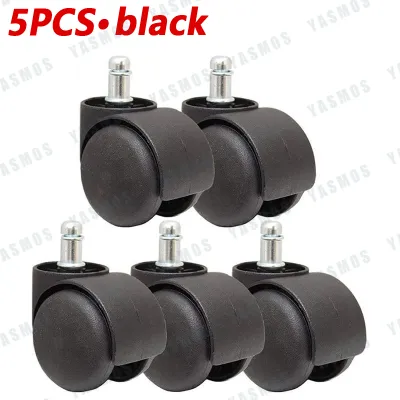
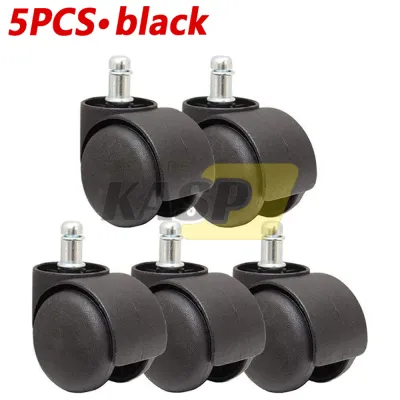
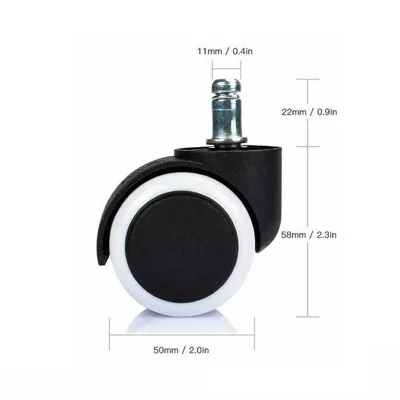

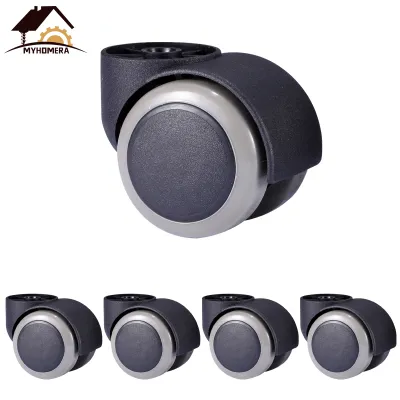
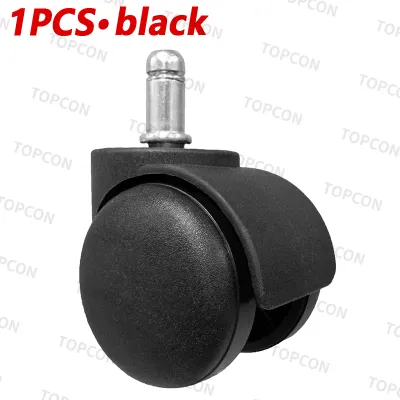
Prices are valid at publication and may change. Please refer to the product page for the latest price.
In tropical climates like the Philippines, high humidity can cause dust and moisture to bind together, forming a sticky grime on your wheels that accelerates wear. This accumulation of debris prevents the wheels from swiveling freely, forcing the caster to drag across the floor instead of rolling.
Ignoring these warning signs can lead to costly floor repairs and physical discomfort. When wheels fail to spin freely, you must exert extra physical effort to push or pull yourself closer to your desk. This constant resistance increases strain on your lower back, hips, and shoulders, making immediate replacement a priority for both your property and your posture.
Match Caster Materials to Your Flooring
The fundamental rule of caster selection is to pair opposite material densities: use soft wheels on hard floors and hard wheels on soft floors. Soft materials compress slightly under weight, providing grip and preventing scratches on rigid surfaces. Conversely, hard materials do not sink into soft fibers, allowing the chair to glide smoothly over carpets.

Polyurethane, soft rubber, and rollerblade-style casters offer distinct advantages depending on your daily movement needs. While polyurethane provides a quiet, non-marking glide, rollerblade-style wheels use precision ball bearings to roll effortlessly over minor floor transitions.
Be cautious of universal “all-floor” marketing claims found on replacement kits. Many generic wheels advertised as safe for all surfaces can still scuff delicate wood or sink deeply into plush carpets. Always verify the manufacturer’s specific flooring recommendations and check your floor warranty guidelines before installation.
Hard Floors (Hardwood, Laminate, Tile, Vinyl)
Hard floors require flexible, shock-absorbing wheel materials to prevent surface damage. Polyurethane and soft rubber casters are highly recommended because they grip the floor without scraping the protective top coat of your wood or laminate. Rollerblade-style wheels, made of thick polyurethane wrapped around a metal core, are also excellent for gliding quietly across tile and vinyl.
Using standard hard nylon or rigid plastic casters on delicate surfaces is a common mistake. These hard wheels slide rather than roll, dragging trapped dirt across the floor and leaving deep, permanent scratches. Over time, this abrasive action can wear down the finish of engineered wood or dull the shine of polished ceramic tiles.
Even with soft wheels, regular maintenance is necessary to protect hard floors. Dust, pet hair, and small grit particles can easily become embedded in soft rubber or polyurethane treads. If left uncleaned, this trapped debris acts like sandpaper, causing micro-scratches every time you shift your weight or roll across the room.
Carpeted Floors (Low-Pile and High-Pile)
Carpeted floors demand rigid wheel materials that can cut through fiber resistance. Hard nylon or heavy-duty plastic casters are the standard choice for carpet because they do not deform under weight. This rigidity allows the wheels to ride over the carpet fibers rather than sinking into them, distributing your weight more evenly.
Soft rubber or rollerblade-style wheels perform poorly on carpeted surfaces, especially high-pile or plush carpets. Because these wheels are narrower or softer, they sink deeply into the carpet pile, creating immense rolling resistance. Trying to move a chair with soft wheels on a thick carpet can feel like rolling through wet sand, leading to physical fatigue.
If your workspace has exceptionally thick carpet and replacement wheels alone do not resolve the resistance, consider adding a rigid chair mat. A polycarbonate or tempered glass mat provides a perfectly flat, hard surface for your wheels to glide on. This combination protects the underlying carpet fibers from crushing while restoring effortless mobility to your seating setup.
Verify Caster Stem Sizes and Base Compatibility
Before purchasing a chair wheels replacement kit, you must measure your existing caster stems to ensure physical compatibility. The metal stem is the pin that inserts directly into the chair’s five-star base. Most office chairs use a standard grip ring stem, which features a small metal tension ring near the top of the pin.
To find the correct size, pull one of your current casters out of the base and measure the stem’s diameter and length with a caliper or ruler. The standard size for most ergonomic chairs is 11 millimeters in diameter and 22 millimeters in length. However, some brands, particularly certain European furniture manufacturers, use a smaller 10-millimeter stem, making precise measurement essential.
Consider the structural design of the replacement casters, choosing between single-wheel and dual-wheel configurations. Dual-wheel casters distribute weight across a wider surface area, which enhances stability and reduces localized pressure on the floor. Single-wheel rollerblade casters offer a higher profile, which increases the overall height of your chair and alters the base clearance.
Always check your chair manufacturer’s specifications for maximum load capacity and stem requirements. Heavy-duty bases may require reinforced steel stems to support weight safely. Ensuring that your replacement wheels match or exceed the original weight rating prevents sudden stem bending or base breakage during use.
Step-by-Step Replacement and Safety Checks
Replacing your office chair wheels is a straightforward process that requires minimal tools. Begin by laying your chair on its side on a clean, soft surface, such as a rug or cardboard, to protect the armrests and backrest. This position gives you clear, stable access to the underside of the five-star base.
To remove the old casters, grip the wheel firmly and pull it straight out of the socket. If the stem is stuck due to dirt buildup or tight tolerances, insert a flathead screwdriver between the caster housing and the chair base. Gently pry upward, using the screwdriver as a lever to pop the grip ring out of its slot without scratching the base.
Align the stem of the new caster with the socket in the chair base. Push the stem straight in until you feel or hear it click into place, indicating that the grip ring has expanded inside the socket. If it is difficult to push in by hand, you can use a rubber mallet to tap the bottom of the caster gently, ensuring it sits completely flush against the base.
Once all five wheels are installed, set the chair upright on a flat surface and perform a quick safety check. Sit in the chair and roll slowly in all directions to verify that all casters rotate and swivel smoothly. Check that the chair remains perfectly level and stable, with no wobbling or uneven height distribution before returning to your daily tasks.
Frequently Asked Questions (FAQ)
Can I use rollerblade-style wheels on any office chair?
While rollerblade-style wheels fit most standard office chairs with an 11-millimeter socket, they are not universally compatible. These wheels are significantly taller than standard dual-wheel casters, which raises the overall seat height by about one to two inches. This height increase can affect your ergonomic setup, potentially preventing your armrests from clearing the desk or making it harder for shorter users to rest their feet flat on the floor. Additionally, ensure the wider turning radius of rollerblade casters does not cause them to collide with each other or scrape against the chair’s base.
How do I clean chair wheels that are stuck or squeaking?
To clean stuck or squeaking wheels, first remove them from the chair base to access the axles easily. Use a pair of tweezers, scissors, or a utility knife to carefully cut away any tangled hair, threads, or carpet fibers wrapped around the wheel shaft. Wash the wheels with warm, soapy water to remove accumulated grime, then dry them thoroughly. If the squeaking persists after cleaning, apply a few drops of silicone-based lubricant directly to the metal ball bearings and axle. If the wheel housing is cracked or the bearings are rusted, cleaning will not restore smooth movement, and you should proceed with a full replacement.
Community discussion
Share your experience or ask a question. Comments are reviewed before publication.