
Setting up a comfortable and supportive study space is a priority for parents in the Philippines, especially as children spend more time at their desks for homework, online learning, and creative projects. While finding the right desk and chair is a great starting point, many standard chairs do not fully accommodate a child’s growing body. A dedicated seat cushion for kids can bridge this gap, transforming a hard or poorly fitted chair into an ergonomic workstation. In a tropical climate where heat and humidity are daily factors, selecting the right cushion requires balancing physical support with breathability and practical maintenance.
By introducing a supportive layer, parents can help their children maintain a comfortable sitting posture, which is essential for concentration and physical development. However, not all cushions are created equal, and a poorly chosen model can cause discomfort or even safety hazards. Understanding the key features, design variations, and compatibility requirements will guide you toward making an informed decision that fits both your child’s needs and your existing furniture setup.
Key Features to Evaluate Before Buying
When evaluating seat cushions for a child’s study chair, the material composition and structural design are the most critical factors to consider. Children have different support needs than adults because their bones are still developing and they weigh significantly less. A cushion designed for an adult will often feel too hard and unyielding for a child, failing to provide the necessary pressure relief.
Products mentioned in this guide
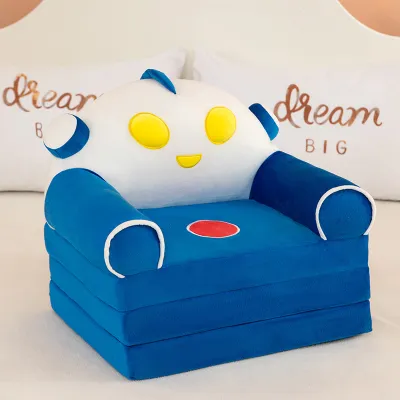
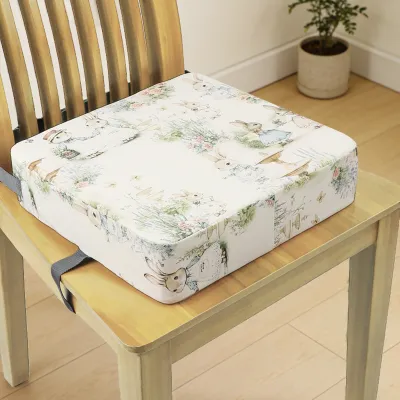
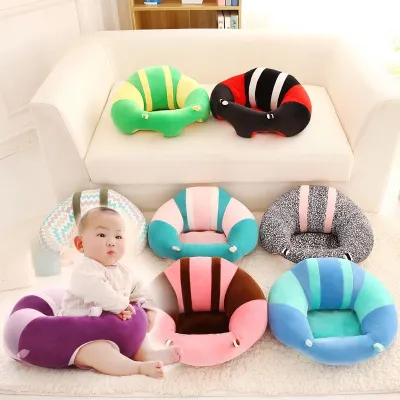
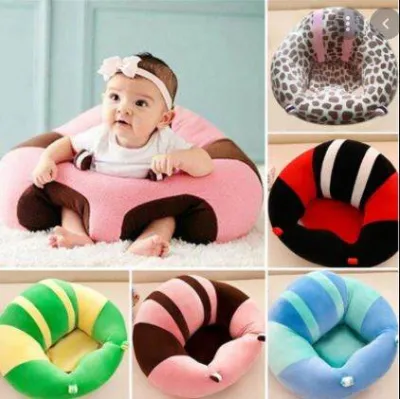
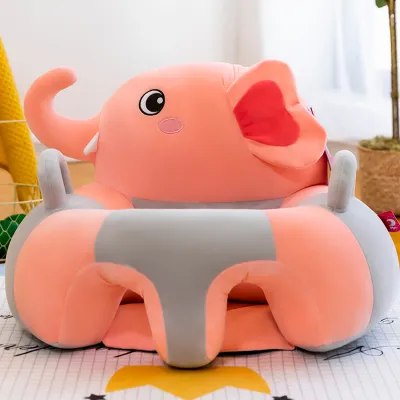
![🔥🔥🔥PkYeG 1Pcs Baby Support Seat Sit Up Soft Chair Cushion Sofa Plush Pillow Toy Animal Sofa Seat Pad [No padding included] Chair cover only](https://img.lazcdn.com/g/p/9ce2deb2c01c2f4d34c8c73bbade412c.jpg_400x400q80.jpg_.webp)
Prices are valid at publication and may change. Please refer to the product page for the latest price.
Foam density and firmness must be carefully balanced to match your child’s weight. High-density memory foam is excellent for contouring, but if it is too firm, a lightweight child will simply sit on top of it without experiencing any pressure relief. Conversely, low-density polyurethane foam might feel soft initially but will quickly bottom out under the child’s weight, offering virtually no support. Look for medium-density foam that yields slightly under gentle pressure while maintaining its overall shape and structural integrity.
Ergonomic contours play a vital role in distributing weight evenly across the seat pan. Flat cushions can cause pressure to concentrate on the sit bones, leading to fidgeting and discomfort. Contoured cushions feature subtle recesses for the thighs and a tapered front edge to prevent pressure on the back of the knees. Additionally, look for designs with a coccyx cutout at the rear, which suspends the tailbone and prevents direct contact with the hard chair surface, reducing spinal compression during long study sessions.
Cover materials are especially important in the warm, humid climate of the Philippines. Standard synthetic fabrics can trap body heat and sweat, leading to discomfort, skin irritation, and a general reluctance to sit at the desk. Opt for covers made from highly breathable materials such as 3D spacer mesh, cotton blends, or bamboo-derived fabrics that promote air circulation. Hypoallergenic properties are also highly beneficial for children with sensitive skin or allergies. Ensure the cover features a durable, high-quality zipper so it can be easily removed for regular laundering.
A non-slip base is a crucial safety and usability feature that should not be overlooked. Children tend to shift, wiggle, and lean while studying, and a cushion that slides around on a smooth wooden or plastic chair surface can cause them to lose balance or adopt awkward postures to compensate. Look for cushions equipped with a rubberized, beaded non-slip backing or adjustable straps that secure the cushion firmly to the backrest or seat frame of the study chair.
Matching Cushion Designs to Study Needs
Different cushion shapes serve distinct ergonomic purposes, and matching the design to your child’s specific sitting habits can greatly improve their comfort. Understanding how each shape alters the sitting posture will help you select the most effective option for their daily study routine.

U-shaped and coccyx cushions are specifically engineered to relieve pressure on the lower spine and tailbone. The cutout at the back ensures that the tailbone does not bear weight, which is highly beneficial for children who tend to lean backward or slouch while reading. By shifting the weight to the thighs and buttocks, these cushions help prevent the dull ache that often arises from sitting on hard wooden or plastic chairs for extended periods.
Wedge cushions feature a sloped design that is thicker at the back and tapers down toward the front. This gentle incline tilts the child’s pelvis slightly forward, which naturally encourages the lower back to maintain its natural inward curve. This pelvic tilt discourages slouching and prevents the child from rounding their shoulders while writing or typing. Wedge cushions are particularly useful for active children who benefit from a dynamic sitting position that keeps their core slightly engaged.
Flat memory foam pads are a versatile and straightforward option for chairs that already have a supportive backrest but lack sufficient seat padding. If your child uses a wooden dining chair or a basic plastic study chair, a flat pad provides a consistent layer of pressure relief without significantly altering the chair’s built-in angles. These pads are easy to transport and can be moved from the study desk to the dining table or even used during car rides.
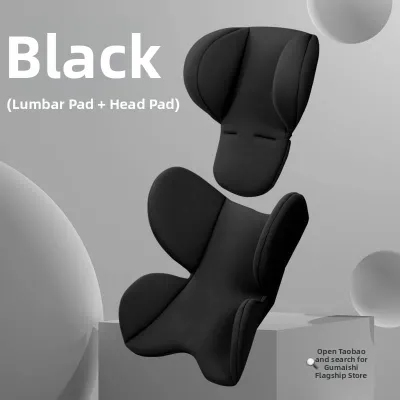
Posture-correcting back-and-seat combos offer a comprehensive solution for children who need support for both their lower body and spine. These systems typically consist of a contoured seat cushion paired with a matching lumbar support roll or a full backrest cushion. This combination is ideal if the existing study chair is too deep, leaving a large gap between the child’s back and the chair’s backrest. By filling this space, the combo ensures the child can sit fully back in the chair while maintaining proper spinal alignment.
Checking Chair Compatibility and Safety
Before purchasing any seat cushion, it is essential to verify how it will interact with your child’s current study chair and desk setup. An ill-fitting cushion can compromise the stability of the chair, alter the ergonomics of the desk, or even pose a physical safety risk to a young child.
Measuring the seat pan dimensions is the first step in ensuring a proper fit. Use a tape measure to determine the width and depth of the chair’s seat. The cushion should fit entirely within these dimensions without overhanging the front or sides, as overhang can cause the cushion to tilt or slide when the child sits down. Additionally, check the depth clearance: there should be a gap of approximately two fingers between the front edge of the cushion and the back of your child’s knees to ensure unrestricted blood circulation.
Adding a cushion will inevitably increase your child’s sitting height, which requires adjustments to the rest of the workstation. When the child sits on the cushion, their feet must still rest flat on the floor, and their knees should be bent at a comfortable 90-degree angle. If the added height causes their feet to dangle, you must adjust the chair’s height downward or provide a sturdy footrest to support their feet. Furthermore, check that their elbows remain at a 90-degree angle relative to the desk surface to prevent shoulder strain while writing or typing.
The shifted center of gravity caused by a thicker cushion can affect the stability of the study chair, particularly if it is a lightweight plastic model or has caster wheels. Ensure the chair’s base is wide and stable enough to handle this change without tipping over when the child leans forward or sideways. If the chair has wheels, verify that they roll smoothly and do not slide unexpectedly under the new weight distribution.
Always check the manufacturer’s labels and product specifications for age appropriateness and weight limits. Some ergonomic cushions are designed specifically for older youth or adults and may have contours that do not align with a younger child’s anatomy. Using a cushion that is too large can force the child’s legs into an unnatural position, defeating the purpose of ergonomic support.
Maintenance and Cleaning Guidelines
Keeping a child’s study cushion clean and hygienic is essential, especially in the humid climate of the Philippines where sweat, dust, and occasional spills can lead to mold, mildew, and unpleasant odors. Establishing a regular maintenance routine will prolong the lifespan of the cushion and ensure a healthy study environment.
Washing the removable cover should be done regularly to remove sweat, skin oils, and dust mites. Always refer to the care label on the cover for specific washing instructions. Most fabric covers can be machine-washed on a gentle cycle using a mild, hypoallergenic detergent. To prevent shrinkage and preserve the elasticity of the fabric, air-drying the cover in a well-ventilated, shaded area is highly recommended, as the intense tropical sun can sometimes degrade synthetic fibers or cause colors to fade.
Spot cleaning the foam core requires a gentle touch, as memory foam and polyurethane foam should never be submerged in water or placed in a washing machine. Excess moisture can easily become trapped inside the foam’s cellular structure, leading to internal mold growth and structural breakdown. If a spill occurs, remove the cover immediately and blot the liquid with a clean, dry towel. Clean the spot using a damp cloth with a tiny amount of mild soap, then press another dry towel over the area to absorb as much moisture as possible. Allow the foam core to air dry completely in a well-ventilated room away from direct heat sources.
Regularly inspecting the cushion for wear and tear will help you determine when it is time for a replacement. Over months of daily use, foam materials will naturally begin to lose their resilience and ability to rebound. If you notice that the cushion remains permanently compressed, feels excessively soft, or no longer provides a noticeable lift, it is no longer offering the necessary ergonomic support. Replacing a worn-out cushion ensures your child continues to benefit from proper postural alignment during their study sessions.
Frequently Asked Questions (FAQ)
Do kids really need ergonomic seat cushions for studying?
Not every child requires an external seat cushion if their study chair is already fully adjustable and perfectly scaled to their body proportions. However, many children use standard dining chairs, basic plastic chairs, or adult-sized office chairs that do not provide adequate lumbar support or pressure relief. If your child frequently fidgets, shifts positions, slouches, or complains of fatigue during homework sessions, an ergonomic seat cushion can be a highly effective and affordable way to optimize their existing chair for better comfort and support.
Can a seat cushion fix my child's bad posture?
A seat cushion is a supportive tool designed to facilitate proper pelvic alignment and reduce physical discomfort, but it is not a medical device and cannot single-handedly correct deep-seated posture habits. Developing good posture requires a holistic approach. While the cushion makes it easier and more comfortable for your child to sit upright, they must still be encouraged to practice active posture correction. Additionally, it is vital to incorporate regular movement breaks every 30 to 45 minutes, allowing your child to stretch and stand, which naturally relieves spinal pressure and prevents muscle fatigue.

Community discussion
Share your experience or ask a question. Comments are reviewed before publication.