
Choosing the right seat cushion for your child’s study desk requires balancing physical support, proper desk alignment, and breathable materials that withstand tropical climates. A well-chosen cushion does more than add softness; it corrects posture mismatches between adult-sized chairs and growing bodies, helping children focus during long study sessions. To make the right choice, parents must measure their existing furniture, calculate the necessary height adjustment, and select durable, easy-to-clean materials.
Assess Your Current Desk and Chair Setup
Before browsing online marketplaces or local furniture stores, you must evaluate the child’s current study station. Start by measuring the physical dimensions of the existing chair. Use a standard tape measure to find the exact width and depth of the seat pan. The usable seat depth is the distance from the front edge of the seat to the backrest. If the seat is too deep, your child will either slouch to reach the backrest or sit forward without any back support.
Next, observe your child while they sit in their usual study position. A proper ergonomic posture requires their feet to rest completely flat on the floor. Their knees should form a clean 90-degree angle, with the thighs parallel to the ground. If their feet dangle or only their toes touch the floor, the chair is too high or the seat pan is too deep, which places unnecessary strain on their lower back and thighs.
Products mentioned in this guide
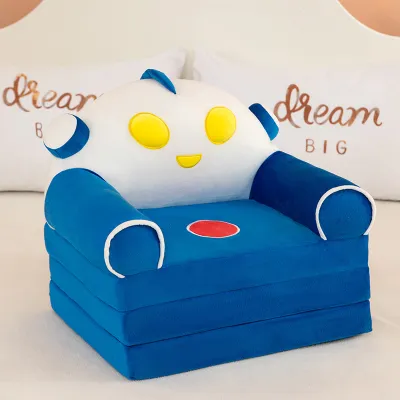
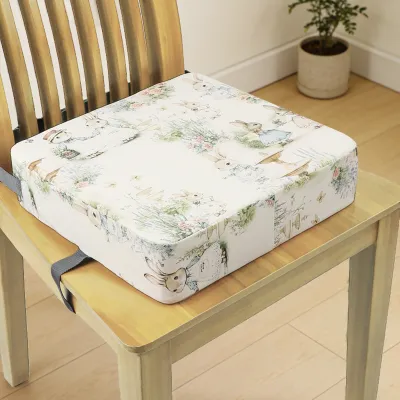
Prices are valid at publication and may change. Please refer to the product page for the latest price.
Finally, examine the vertical gap between the chair’s seat and the top of the study desk. When your child sits down, their elbows should rest comfortably on the desk surface at roughly a 90-degree angle without forcing them to hunch forward or raise their shoulders. If the desk surface sits near their chest level, the child is sitting too low. This height deficit is the primary measurement that your new seat cushion must resolve.
Determine the Right Cushion Height and Thickness
The thickness of the seat cushion directly dictates your child’s eye level and the angle of their arms relative to the desk. A cushion that is too thin will fail to elevate them to the correct height, leaving them struggling to write or read comfortably. Conversely, an excessively thick cushion can raise their knees too close to the underside of the desk drawer or frame, restricting their leg movement and causing discomfort.

You can identify height mismatches by watching for specific visual cues during study sessions. If your child constantly shrugs their shoulders to rest their forearms on the desk, the seat is too low. If they slouch forward, resting their chin on their hands, they are likely trying to compensate for a poor viewing angle to their books or screen. A supportive cushion raises their hips, naturally aligning their spine and bringing their elbows to a relaxed, neutral position.
Because children grow rapidly, static cushions may only fit their needs for a short season. Consider looking for adjustable or layered thickness designs. These products often feature removable foam inserts or stackable layers, allowing you to customize the height as your child grows or when you transition the cushion to a different chair. This adaptability ensures long-term utility and maintains proper ergonomics over several school years.
Evaluate Materials for Comfort and Durability
The internal filling of the cushion determines how well it supports your child’s weight and retains its shape over time. Memory foam is a popular choice because it contours to the body, distributing weight evenly and relieving pressure points on the tailbone. However, standard memory foam tends to retain body heat, which can become uncomfortable during warm study afternoons.
High-density polyurethane foam offers a firmer, more supportive alternative that does not sink as deeply as memory foam. It provides excellent structural integrity, making it ideal for raising a child’s seating height consistently. For those seeking a balance of support and temperature regulation, gel-infused foam or gel-grid cushions are excellent options. The gel channels help disperse heat, keeping the seat cooler during extended use.
In the humid tropical climate of the Philippines, breathability is a critical factor for daily comfort. Heavy, non-porous fabrics can trap sweat, leading to skin irritation and unpleasant odors. When shopping, check the product labels for breathable cover materials such as 3D mesh, natural cotton, or linen blends. These fabrics allow air to circulate freely, keeping your child cool even during intense exam preparation seasons.
Practical maintenance is just as important as comfort. Children’s study areas are prone to accidental spills, ink stains, and crumbs. Ensure the cushion features a removable, machine-washable cover with a durable zipper. Additionally, verify that the bottom of the cushion has a reliable non-slip base, such as rubberized silicone beads, to prevent it from sliding off wooden or plastic chairs when your child moves.
Check Ergonomic and Safety Features
Ergonomic seat cushions are rarely flat; instead, they feature contoured shapes designed to support growing skeletal structures. Look for cushions with a U-shaped or W-shaped cutout. The U-shaped design, often referred to as a coccyx cutout, suspends the tailbone to reduce direct pressure on the spine. W-shaped contours are molded to fit the natural curve of the thighs, promoting even weight distribution and preventing the child from sliding forward.
Safety is paramount when selecting accessories for active children. A cushion that slides around can cause sudden slips or falls, especially on smooth wooden or plastic study chairs. Inspect the product specifications for robust anti-slip mechanisms. Beyond silicone grip patterns on the underside, some cushions include adjustable securing straps that buckle around the back of the chair, keeping the cushion firmly anchored in place.
Take time to review the manufacturing details and safety certifications printed on the packaging or product listing. Look for tight, double-stitched edge finishing that prevents fraying under daily wear. Check for recognized material safety certifications, such as CertiPUR-US for foam fillings, which verify the absence of harmful chemicals and heavy metals. If available, look for fire-retardant labels that meet local safety standards for home textiles.
Measure and Verify Before You Buy
Before finalizing your purchase on any online marketplace, cross-reference your initial chair measurements with the product’s official dimensions. The cushion should fit neatly within the boundaries of the chair’s seat pan. Avoid cushions that overhang the front or sides of the chair, as this imbalance compromises stability and can cause the cushion to tilt or slide when your child sits down.
Always confirm the manufacturer’s specified weight limits and recommended age ranges. A cushion designed for toddlers will quickly bottom out under the weight of an older child, losing all its ergonomic benefits. Conversely, a cushion built for adults may be too firm for a lightweight child, failing to compress enough to provide comfortable contouring and pressure relief.
Finally, review the retailer’s return and exchange policies carefully. Because comfort is highly subjective, your child may find a cushion too firm or too soft only after sitting on it for a few study sessions. Choosing a seller that offers a flexible return window or a satisfaction guarantee ensures you can exchange the cushion for a more suitable density or thickness without financial loss.
Frequently Asked Questions (FAQ)
Can a seat cushion fix a chair that is too big for my child?
While a high-quality seat cushion can successfully adjust your child’s seating height, it cannot fully compensate for an excessively large chair. If the seat pan is too deep, a standard seat cushion will not bring the child’s back close enough to the chair’s backrest, forcing them to sit without lumbar support. In such cases, you may need to pair the seat cushion with a dedicated lumbar support pillow to bridge the gap.
Additionally, elevating a child with a thick cushion often lifts their feet off the floor. To maintain proper ergonomic alignment, you must pair the cushion with an adjustable footrest. This ensures their feet remain flat and their knees stay at a comfortable 90-degree angle, preventing circulatory strain on the back of their thighs.
How often should I replace my child's study seat cushion?
You should inspect your child’s study seat cushion regularly for physical signs of wear and degradation. Over time, foam fillings lose their resilience and ability to rebound. If you notice permanent compression, where the cushion remains flat even when not in use, it is no longer providing the necessary ergonomic support and height elevation.
Additionally, keep a close eye on your child’s physical growth. A cushion that provided the perfect height adjustment last year may now raise them too high as their torso grows. Reassess their sitting posture and the desk-to-chair gap every six months, replacing or adjusting the cushion setup to match their changing developmental needs.
Community discussion
Share your experience or ask a question. Comments are reviewed before publication.