
Finding the right shelf rack size for your closet is the key to transforming a cluttered wardrobe into an organized, highly functional space. A poorly fitted organizer can block doors, leave wasted gaps, or fail to support your daily storage needs. To make the right choice, you must balance the physical limits of your closet with the specific dimensions of the items you plan to store.
In tropical climates like the Philippines, closet planning requires extra attention to airflow and material durability. High humidity can quickly lead to mold on tightly packed shelves or rust on low-quality metal fixtures. By taking precise measurements and selecting the right configuration, you can maximize your storage capacity while keeping your clothes fresh and accessible.
Measure Your Closet Space Accurately
Before browsing online marketplaces or visiting local furniture showrooms, you must establish the exact physical boundaries of your closet. Never rely on a single measurement, as walls in residential buildings are rarely perfectly square or plumb. Use a metal measuring tape to record the width, depth, and height at three distinct points: the top, the middle, and the bottom of the space. Use the smallest of these three figures as your maximum allowable dimension to ensure the shelf rack actually fits inside the opening.
Products mentioned in this guide

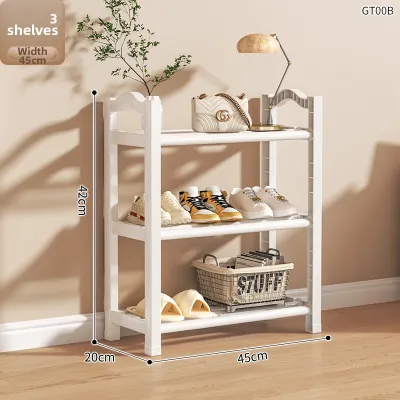
Prices are valid at publication and may change. Please refer to the product page for the latest price.
Next, identify and subtract any physical obstructions that reduce your usable footprint. Baseboards along the floor, crown molding at the ceiling, door hinges, and existing hanging rods all subtract valuable centimeters from your available space. If your closet has sliding doors, measure the width of the opening when one door is fully slid open, as this determines the maximum width of any drawer or pull-out shelf rack you can easily access.
Finally, verify the clearance required for your closet doors to operate without interference. Swing-out doors require a clear arc in front of the closet, while bi-fold doors fold inward and can block the front corners of your shelving. Ensure that any proposed shelf rack sits deep enough inside the closet frame so that folded garments or storage bins do not protrude and prevent the doors from closing completely.
Assess Your Storage Needs and Item Dimensions
A shelf rack is only as useful as its ability to hold your specific belongings. Begin by categorizing the items you intend to store, such as folded t-shirts, heavy denim, shoe boxes, or large plastic storage bins. Standard folded clothes typically require a shelf depth of 30 to 35 centimeters, while larger storage organizers or bulky bedding may require a depth of 40 to 45 centimeters. Choosing a rack that is too shallow will cause items to overhang, while an overly deep rack can lead to lost items at the back.

Decide whether your lifestyle suits adjustable shelving or a fixed configuration. Adjustable shelf racks feature vertical tracks that allow you to reposition individual shelves as your storage needs change over time. This flexibility is highly beneficial for growing families or seasonal wardrobe rotations. Fixed configurations, on the other hand, offer a clean, permanent look but require you to commit to specific shelf heights from day one.
When planning your vertical space allocation, group items by height to avoid wasting vertical volume. Allow at least 25 to 30 centimeters of vertical clearance for standard stacks of folded clothing, and up to 40 centimeters for tall boots or stacked storage boxes. Leaving a small gap of 3 to 5 centimeters above your tallest items ensures you can easily slide them in and out without snagging the fabric or scraping the shelf above.
Evaluate Installation Constraints and Clearances
The structural integrity of your shelf rack depends heavily on the wall type and the mounting hardware used during installation. In many Philippine homes, closet walls are constructed from solid concrete or hollow blocks, which require masonry drill bits, sturdy wall plugs, and heavy-duty screws for a secure mount. If you are installing against drywall, you must locate the wooden or metal studs to anchor the rack, or use specialized toggle bolts if studs are unavailable. Always consult the manufacturer’s installation manual to verify the recommended mounting method and weight limits.
Access and ergonomics are equally important when positioning your shelving. Ensure there is adequate walkway space in front of the closet so you can stand, bend, and reach the lowest and highest shelves comfortably. For deep walk-in closets, maintain a minimum clearance of 60 centimeters between the front of the shelf rack and the opposite wall or adjacent furniture to allow for natural movement.
Environmental conditions should also dictate your material choices and installation plan. In humid tropical environments, stagnant air inside a closed wardrobe can encourage mold growth and musty odors. Look for shelf racks with breathable designs or check the manufacturer’s care guidelines to ensure the materials can withstand moisture. Powder-coated steel, treated hardwoods, and wire shelving are excellent options that resist warping and rust when exposed to ambient humidity.
Avoid Common Sizing and Configuration Mistakes
One of the most frequent errors when choosing a shelf rack is overlooking the door swing path and sliding tracks. A rack might fit perfectly within the raw wall-to-wall measurements, but if it sits too close to the front, it can obstruct sliding door tracks or prevent bi-fold doors from folding back completely. Always measure the depth from the back wall to the innermost edge of the door frame or track, rather than the outer edge of the wall.
Another common mistake is assuming that a material name alone guarantees a specific load capacity. For example, assuming a metal shelf rack can hold unlimited weight without verifying the gauge of the steel, the quality of the joints, or the strength of the wall anchors can lead to structural failure. Always check the manufacturer’s specified weight limits per shelf and ensure your wall structure can support that load before loading it with heavy items.
Lastly, do not forget to measure the physical pathway from your home’s delivery entrance to the closet itself. Large, pre-assembled shelf units or exceptionally long shelving boards may not fit through narrow hallways, tight stairwells, or low bedroom doorways. If your access route has tight turns or low clearances, opt for flat-packed, modular shelf racks that you can easily transport to the bedroom piece by piece and assemble directly inside the closet space.
Frequently Asked Questions (FAQ)
Can I install a shelf rack in a closet with slanted ceilings?
Yes, but it requires careful planning and modular components. Measure both the lowest and highest points of the ceiling to map out the slope. Instead of using a single, fixed-height tower, utilize adjustable standards or individual wall-mounted brackets that allow you to step the shelves down to match the angle of the ceiling. This maximizes your storage footprint without wasting the awkward, low-clearance corners.
How do I verify the weight capacity of a closet shelf rack?
Always refer to the manufacturer’s official product specifications, which typically list the maximum weight capacity per shelf under conditions of evenly distributed loads. Keep in mind that this rating is only valid if the rack is installed exactly as instructed using the recommended hardware. To maintain long-term stability, place your heaviest items, such as storage tubs or shoes, on the lowest shelves and distribute lighter garments across the upper levels.
Should I choose wire or solid shelving for my closet?
The choice depends on your storage items and local climate. Wire shelving is highly recommended for humid environments because the open grid design promotes excellent air circulation, reducing the risk of mold and musty smells. However, small items or high heels can slip through the gaps, which may require you to add plastic shelf liners. Solid shelving provides a perfectly flat, stable surface for all item types but can restrict airflow if the closet is tightly packed.
Community discussion
Share your experience or ask a question. Comments are reviewed before publication.