
To choose the right shoe organizer size to fit under hanging clothes in a wardrobe, you must measure the exact clearance between the wardrobe floor and the hem of your lowest-hanging garment, subtract a buffer of 10 to 15 centimeters, and verify that the organizer’s depth is at least 5 centimeters shallower than your wardrobe’s interior depth. This prevents your clothes from dragging on the organizer while ensuring the wardrobe doors can close fully.
In tropical climates like the Philippines, this task becomes even more critical. High relative humidity creates an environment where tightly packed clothes and shoes easily trap moisture. When air cannot circulate freely around your footwear and apparel, mold and mildew can develop rapidly, ruining leather shoes, bags, and delicate fabrics. Sizing your shoe organizer is not just about physical fit—it is about preserving the lifespan of your wardrobe investments. By taking precise measurements and leaving dedicated air buffers, you can maintain an organized, mold-free closet space.
Measure Your Wardrobe’s Available Floor and Vertical Space
To avoid purchasing storage accessories that do not fit, you must establish an accurate baseline of your wardrobe’s interior dimensions. Do not rely on external product dimensions or the manufacturer’s general cabinet specifications, as wall thicknesses and back panels reduce the actual usable space inside. Instead, use a metal tape measure to map out the footprint and vertical limits of your cabinet.
Products mentioned in this guide
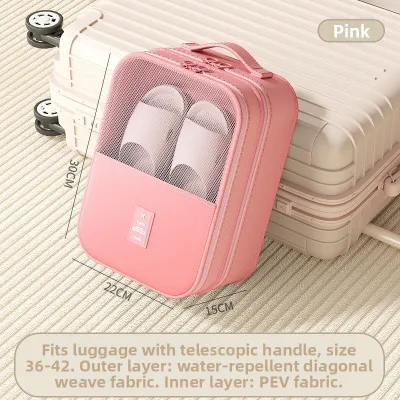
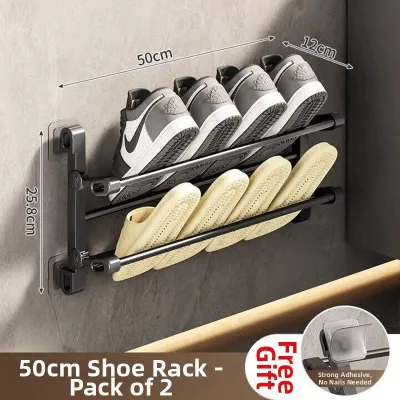
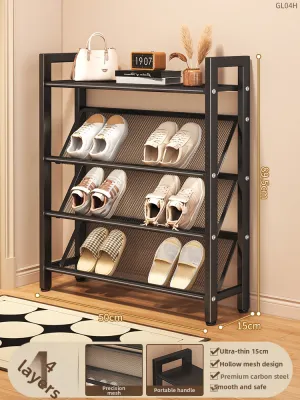
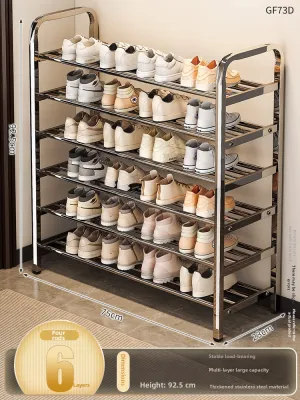
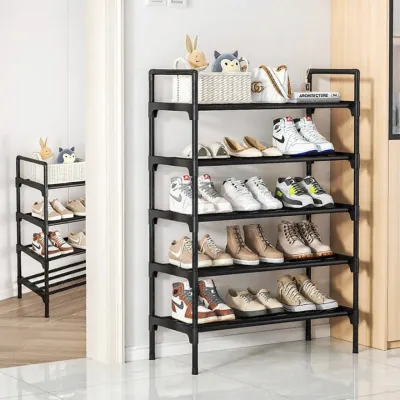
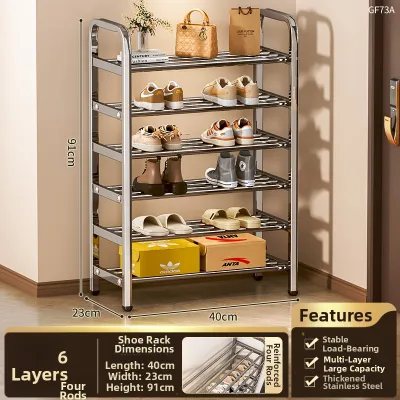
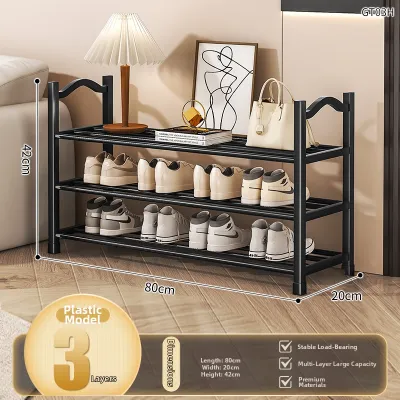
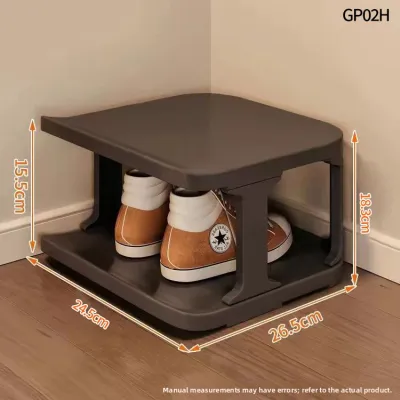
Prices are valid at publication and may change. Please refer to the product page for the latest price.
Begin by measuring the usable interior width. Extend your tape measure from the inside face of the left side panel to the inside face of the right side panel. If your wardrobe features internal partitions or vertical dividers, measure only the specific section where you plan to position the shoe organizer. Next, determine the interior depth by measuring from the back wall panel to the front edge of the side panels. If you have a wardrobe with sliding doors, measure only up to the rear edge of the door track, as the doors must slide freely without brushing against your organizer.
When measuring, you must account for physical obstructions that can easily reduce your placement area. Look closely at the bottom corners and sides of your wardrobe. Door hinges, sliding door tracks, baseboards, shelf supports, and internal drawer handles can significantly reduce your usable space. For example, heavy-duty soft-close hinges on wardrobe doors often protrude several centimeters into the cabinet opening when the door is open. If your shoe organizer is too wide, it may block these hinges or prevent you from sliding out drawers. Always subtract the depth or width of these obstructions from your final measurements to find your true usable footprint.
Finally, map out the vertical space. Measure the total vertical drop from the top of the hanging rod down to the wardrobe floor. This gives you the absolute maximum height available for your hanging setup. However, the more critical measurement is the distance from the bottom hem of your lowest-hanging garments to the wardrobe floor. Because hanging clothes vary in length, you should measure the drop under different sections of your rod. This step reveals whether you have a uniform clearance zone or if you need to arrange your shoes in a stepped configuration to accommodate longer garments.
Calculate Clearance for Hanging Garments
Once you have measured the physical space, you must calculate how much vertical room your hanging clothes actually occupy. Different types of apparel require different drop lengths, and mapping this out prevents your garments from dragging along the top of your shoe organizer. When clothes rest directly on a shoe rack or box, they accumulate dust, become wrinkled, and restrict the airflow necessary to keep your wardrobe fresh.

To estimate your vertical needs, use general guidelines for common garment lengths, measured from the top of the hanging rod to the lowest point of the hem. Standard shirts, blouses, and light jackets typically require a vertical drop of 90 to 105 centimeters. Trousers and pants folded over a hanger generally need 75 to 90 centimeters of clearance. Full-length suits, long coats, and dresses demand significantly more space, often requiring 140 to 160 centimeters of vertical drop. By grouping similar garment types together on your rod, you can create dedicated zones of high and low clearance underneath.
After identifying the lowest point of your hanging garments, you must incorporate a dedicated buffer zone. Never plan to have the top of your shoe organizer sit flush against the bottom of your clothes. Instead, leave a buffer of at least 10 to 15 centimeters of empty space. This clearance zone serves several practical purposes: it allows you to slide hangers along the rod without your clothes catching on the organizer, makes it easier to pull garments out of the closet, and prevents the hems of your clothes from getting crushed or soiled by the shoes below.
In the Philippines, this buffer zone plays an indispensable role in climate control. High humidity levels make wardrobes highly susceptible to mold growth. If your hanging clothes are packed tightly against a shoe organizer, you create pockets of stagnant, humid air. Shoes naturally carry trace moisture from daily wear, which can transfer to your clothes if they are in constant contact. Maintaining a clear gap of 10 to 15 centimeters, combined with regular wardrobe airing, ensures that air can flow freely around your items, reducing the risk of musty odors and fungal damage.
Match Shoe Organizer Types to Your Space Constraints
With your precise measurements and clearance calculations in hand, you can now evaluate which type of shoe organizer best matches your wardrobe’s spatial limitations. Different organizer styles offer distinct advantages regarding adjustability, footprint, and ease of access.
Stackable Shoe Boxes
Stackable shoe boxes offer a highly modular and customizable storage solution, making them ideal for wardrobes with irregular hanging clearances. Because these boxes are individual units, you can stack them in columns of varying heights to perfectly match the stepped profile of your hanging clothes. For instance, you can create a tall stack of four boxes under your short shirts and a shorter stack of two boxes under your longer trousers.
To determine the maximum stack height, divide your calculated vertical clearance (the distance from the floor to the garment hem, minus your 10-to-15-centimeter buffer) by the height of a single shoe box. Always round down to the nearest whole box to ensure you preserve your safety buffer. For example, if your available clearance is 55 centimeters and each box is 15 centimeters tall, you can safely stack three boxes (totaling 45 centimeters), leaving a comfortable 10-centimeter gap.
Additionally, you must verify the external depth of the boxes against your wardrobe’s interior depth. Standard adult shoe boxes generally range from 30 to 35 centimeters in depth. Ensure that your wardrobe’s interior depth can accommodate these dimensions with at least 2 to 3 centimeters of wiggle room. If the boxes are too deep, they will prevent hinged doors from closing fully or obstruct the path of sliding doors, forcing you to store your shoes at an angle or look for alternative slim-profile boxes.
Freestanding Shoe Racks
Freestanding shoe racks provide a sturdy, fixed-tier storage option that is excellent for organizing a larger volume of footwear on a single stable platform. These racks are typically constructed from wood, metal, or durable plastics, and they offer open shelves that make retrieving your shoes quick and convenient. However, because their dimensions are fixed, you must exercise extra caution when matching them to your wardrobe space.
Before purchasing a freestanding rack, check the manufacturer’s specification sheet for the exact finished width, depth, and height. Verify the total height of the rack against your available vertical space, ensuring that the top tier sits well below your hanging clothes. Remember that the shoes placed on the top shelf of the rack will add to the overall height. For example, if the rack itself is 40 centimeters tall, a pair of high heels or mid-top sneakers placed on the top shelf will extend the actual height requirement by another 12 to 18 centimeters. Factor this shoe height into your clearance calculations to prevent the footwear from touching your hanging garments.
You must also evaluate the footprint of the rack against your wardrobe floor. Ensure the rack fits comfortably between any baseboards or door hinges without wobbling. If your wardrobe has sliding doors, verify that the depth of the rack does not protrude into the sliding track. For safety and stability, choose a rack with non-slip feet or adjustable leveling glides, especially if your wardrobe floor is slightly uneven. If you select a taller, multi-tier rack, check if the manufacturer recommends anchoring the unit to the wardrobe’s back panel to prevent accidental tipping when pulling out shoes.
Hanging or Over-Door Organizers
When your wardrobe’s floor space is extremely shallow, uneven, or completely occupied by built-in drawers, utilizing vertical space becomes your best option. Hanging and over-door organizers allow you to lift your footwear off the floor entirely, keeping the base of your wardrobe clear.
Hanging organizers typically suspend directly from your wardrobe’s closet rod using heavy-duty hook-and-loop straps or metal hooks. While this is an excellent space-saving choice, you must carefully evaluate the load capacity of both the organizer and your closet rod. A collection of heavy leather shoes, boots, or sneakers can add substantial weight. Ensure your wardrobe’s hanging rod is securely anchored to the side panels and has a supportive center bracket if it spans a long distance. Overloading a rod can cause it to bow, sag, or pull away from the wardrobe walls entirely.
Over-door organizers, which hang over the top edge of hinged wardrobe doors, utilize otherwise wasted space. However, they require careful clearance checks. Measure the gap between the closed wardrobe door and the front edge of your interior shelves or hanging clothes. Most over-door organizers loaded with shoes require a clearance depth of at least 15 to 20 centimeters. If your wardrobe is packed tightly, the organizer will press against your clothes, causing wrinkles and preventing the door from closing. Furthermore, ensure the hanging brackets are thin enough to allow the door to latch shut without scratching the frame or damaging the door seals.
Common Sizing and Placement Mistakes to Avoid
Even with careful planning, it is easy to overlook minor details that can ruin the fit of your shoe organizer. Awareness of these common sizing and placement mistakes will save you time, money, and frustration.
One of the most frequent errors is ignoring the door swing arc for hinged doors or the track depth for sliding doors. A shoe organizer might fit perfectly within the open cabinet, but if its front corners sit even a few millimeters too far forward, it will block a hinged door from closing flush. For sliding doors, the front panel must glide smoothly across the front of the cabinet. If your shoe rack or boxes protrude into this path, the door will constantly bump against them, potentially damaging both the door mechanism and your organizer.
Another common mistake is forgetting to subtract the height of the hanger hooks and the garment shoulders from your vertical calculations. Many people measure the distance from the rod to the floor and assume that is their usable space. In reality, a standard hanger drops the top of the garment by 8 to 12 centimeters below the rod. Always measure your vertical clearance from the actual bottom hem of the hanging clothes, not from the rod itself, to ensure your calculations are accurate.
Overcrowding the wardrobe floor is another pitfall that can lead to long-term damage. While it is tempting to pack as many shoe boxes or racks as possible into your wardrobe, leaving zero breathing room restricts airflow. In the tropical climate of the Philippines, trapped moisture leads to mold, mildew, and unpleasant odors. It also makes retrieving your shoes highly inconvenient, as you may have to awkwardly maneuver around other items just to grab a single pair.
Finally, never assume that “standard” wardrobe dimensions apply to your specific furniture piece. While many manufactured wardrobes share similar depths (often around 55 to 60 centimeters), custom-built closets, antique armoires, and compact wardrobe units can vary wildly. Some compact wardrobes have depths of only 45 centimeters, which will not accommodate standard shoe boxes or deep racks. Always take physical measurements of your specific unit before making a purchase.
Frequently Asked Questions (FAQ)
Can I place a shoe organizer behind the wardrobe door?
Yes, you can place a shoe organizer behind a wardrobe door, but this configuration is generally only compatible with hinged doors. Sliding wardrobe doors overlap when opened, meaning any organizer mounted to the back of a sliding panel would block the door from opening or damage the tracking system. For hinged doors, you must measure the clearance gap between the closed door panel and your hanging clothes or interior shelves. You typically need a clear depth of at least 15 to 20 centimeters to accommodate a loaded door organizer without crushing your garments or preventing the door from latching securely. Additionally, verify that the mounting hooks do not interfere with the door hinges or damage the wardrobe frame.
How do I protect my shoes from dust inside an open wardrobe?
If you use an open-concept wardrobe or a freestanding rack without cabinet doors, dust accumulation can quickly settle on your footwear. To protect your shoes, consider using clear stackable shoe boxes with drop-front doors instead of open wire or wooden shelves. These boxes provide an enclosed, dust-free environment while keeping your shoes fully visible and accessible. If you prefer using a freestanding shoe rack, you can purchase a breathable fabric dust cover designed to fit over the rack. Ensure the cover is made from a lightweight, breathable material like non-woven polypropylene, which blocks dust while allowing air to circulate. Avoid using airtight plastic covers or unventilated bags, as they trap humidity and promote mold growth.
Community discussion
Share your experience or ask a question. Comments are reviewed before publication.