
Selecting the ideal side table size and shape for a small Philippine apartment living room requires balancing physical dimensions with visual weight. The most effective side tables match the height of your sofa arm—typically between 50 and 65 centimeters—and feature space-saving profiles such as round tops or slide-under C-shapes. By prioritizing compact footprints, open frames, and multi-functional designs, you can maximize your living room’s utility without blocking walkways or making the layout feel cramped.
Assessing Your Living Room Space and Sofa Proportions
Before browsing online marketplaces or local furniture showrooms, grab a tape measure to map out your actual floor area. In compact apartment layouts, a few centimeters can make the difference between a clear walkway and a constant tripping hazard. Measure the distance between your sofa edge and the nearest wall, doorway, or television console to establish your physical limits.
Ensure you leave at least 30 to 45 centimeters of clearance for walkways. This allows family members to move comfortably through the living room without bumping into furniture. If your apartment has a narrow layout, check the clearance of nearby doors, balcony entryways, or cabinet drawers to ensure the table will not block their swing paths.
Products mentioned in this guide


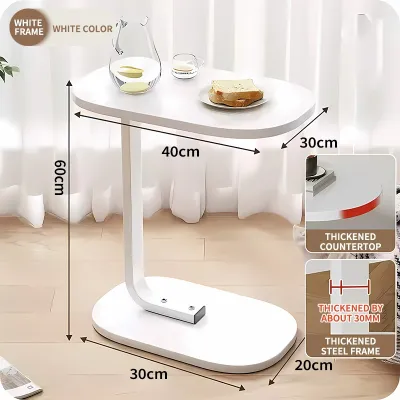
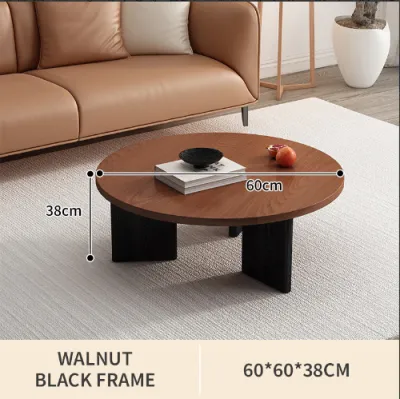
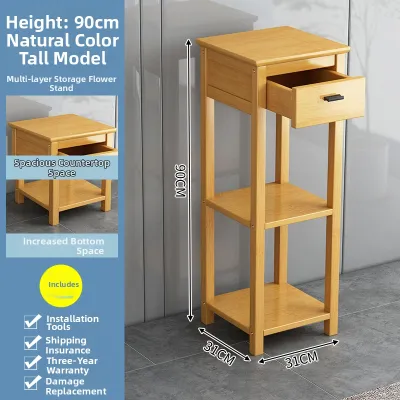


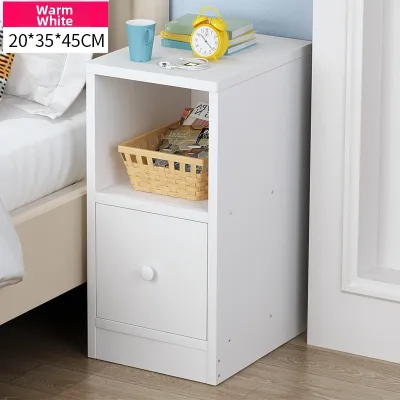
Prices are valid at publication and may change. Please refer to the product page for the latest price.
Next, evaluate your sofa’s proportions. Measure the height of the sofa arm from the floor, as well as the seat depth. A side table should visually balance the sofa; a massive, deep sofa will make an ultra-thin wire table look out of place, while a bulky wooden block table will overwhelm a sleek, low-profile modern couch.
Consider the physical delivery and assembly process before making a purchase. Measure your apartment building’s elevator doors, stairwells, and your unit’s front door frame. Choosing a flat-packed side table or one with a highly compact finished dimension ensures you can easily bring it inside without damaging the walls or the furniture itself.
Determining Side Table Dimensions for Compact Layouts
The golden rule for side table height is to align the tabletop within 5 centimeters of your sofa’s armrest. If the armrest is exceptionally high or low, aim for a table that sits slightly below the arm rather than above it. This height range allows you to set down a glass of water, a phone, or a remote control naturally without straining your shoulder or reaching upward.

For armless sofas, target a table height that matches the seat cushion height or sits up to 10 centimeters higher. This ensures the surface remains easily accessible from a seated position.
When it comes to width and depth, compact living rooms require strict limits. A standard side table often measures 50 to 60 centimeters in width and depth, but for tight apartment layouts, look for slim profiles between 30 and 40 centimeters. Keeping the depth of the table equal to or less than the seat depth of your sofa prevents the table from protruding forward into the main living area.
Visual weight is just as important as physical dimensions. In small spaces, heavy, solid-sided tables can make the room feel congested. Opt for tables with slender legs, open wire frames, or glass tops. These designs allow light to pass through, creating an illusion of openness and making your living room feel larger than it actually is.
Selecting the Right Shape for Tight Spaces
The shape of your side table dictates how smoothly traffic flows around your seating area. Round and oval side tables are highly effective in tight spaces because they lack sharp corners. This circular profile softens the overall look of the room and prevents painful bumps when navigating narrow passages in the dark.
Round tables also fit exceptionally well into awkward corners or the tight angles created by sectional sofas. Because they have no rigid edges, they can be angled freely to accommodate different seating arrangements.
For the ultimate space-saving solution, consider C-shaped or slide-under tables. These innovative designs feature a cantilevered top supported by a recessed base that slides directly under the sofa frame. This allows the tabletop to hover over the sofa cushion, bringing the surface directly to you without consuming any extra floor space in front of or beside the couch.
If you need to place a table flush against a wall, a slim rectangular or square table is the most efficient choice. These shapes slide neatly into alcoves, corners, or the narrow gap between your sofa and the wall. To keep the layout functional, ensure the rectangular table’s long side runs parallel to the sofa arm to minimize its forward projection.
Space-Saving Features and Multi-Functional Designs
When floor space is limited, multi-functional furniture is essential. Nesting side tables offer excellent flexibility for small apartments. These sets typically feature two or three tables of graduating sizes that slide completely underneath one another when not in use. When guests visit, you can easily pull them out to distribute extra surfaces around the room.
Storage-focused side tables help keep your living room organized and free of clutter. Look for designs that incorporate lower shelves, open cubbies, or small drawers. These compartments are perfect for storing books, remote controls, coasters, and chargers, reducing the need for additional storage units in the room.
In tropical climates like the Philippines, high humidity can affect furniture materials over time. When choosing tables with storage, check the quality of the joints, drawer glides, and protective finishes. Opt for moisture-resistant coatings or powder-coated metal frames that withstand humid conditions without warping or rusting.
Lightweight or foldable side tables provide great adaptability. If you frequently reconfigure your living room for gatherings, exercise, or working from home, a lightweight table with an integrated handle can be moved effortlessly from the sofa side to the bedside or balcony.
Common Sizing and Placement Mistakes to Avoid
One of the most common mistakes in small living rooms is placing a side table in a way that blocks natural walking paths. Avoid squeezing a table into a tight corridor between the sofa and the television console if it reduces the walkway to less than 30 centimeters. If space is that tight, a wall-mounted shelf or a sofa arm tray is a safer alternative.
Another frequent error is choosing a table that is significantly taller than the sofa arm. Reaching up to place a hot beverage on a high table is not only awkward but also increases the risk of accidental spills. Always measure your sofa arm height before making a purchase rather than guessing the proportions.
Finally, avoid overloading a small room with bulky, dark, or solid-block furniture. A heavy wooden drum table might look appealing in a spacious showroom, but in a compact apartment, it can act as a visual roadblock. Stick to airy designs, light wood tones, or metallic accents to maintain a bright, breezy, and spacious atmosphere.
Frequently Asked Questions (FAQ)
Can I use a side table as a coffee table in a very small living room?
Yes, using a side table as a coffee table is an excellent way to save space in a very small living room. However, keep in mind that standard side tables are usually taller than traditional coffee tables, which can make reaching down from a low sofa slightly awkward if the table is placed directly in front of you.
To make this setup work comfortably, choose a slightly lower side table or opt for a set of nesting tables. Nesting tables can be clustered together in the center of the room to act as a modular coffee table, then separated and tucked away when you need open floor space.
Community discussion
Share your experience or ask a question. Comments are reviewed before publication.