
Finding the right office seating can be a challenge, especially when trying to balance budget constraints with physical comfort. In the Philippines, SIHOO has established itself as a prominent brand for home office workers, gamers, and corporate professionals seeking ergonomic support. If you are navigating the price range between ₱3,000 and ₱15,000, understanding what features actually scale with your investment is the key to making a smart purchase.
At the lower end of this budget, you can expect reliable basic support that far outperforms a standard dining chair or plastic stool. As you move toward the ₱15,000 ceiling, the engineering transitions to advanced weight distribution, dynamic lumbar tracking, and highly adjustable components. By identifying your specific physical needs and desk setup, you can pinpoint the exact price tier that delivers the best value for your daily routine.
Decoding the ₱3,000 to ₱15,000 Budget Tiers for SIHOO Chairs
To navigate the diverse catalog of SIHOO chairs, it helps to categorize the market into three distinct price tiers. The entry-level tier spans from ₱3,000 to ₱6,000 and focuses on essential comfort features. The mid-range tier, from ₱6,000 to ₱10,000, represents the ergonomic sweet spot where adjustability becomes highly customizable. Finally, the upper-mid tier, ranging from ₱10,000 to ₱15,000, introduces premium materials and dynamic mechanical engineering designed for prolonged daily use.
Products mentioned in this guide
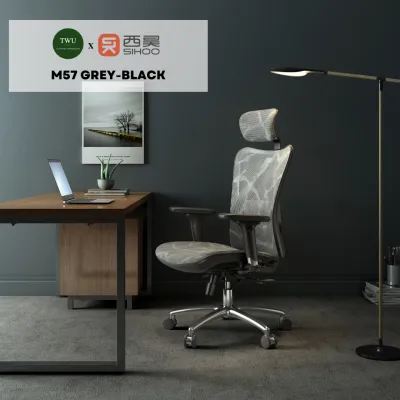
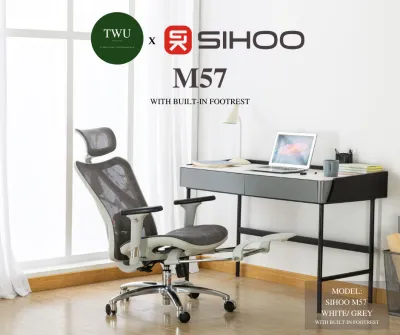
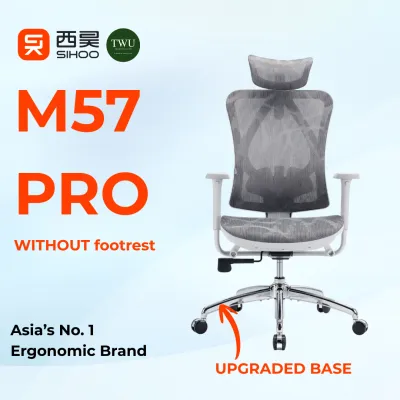
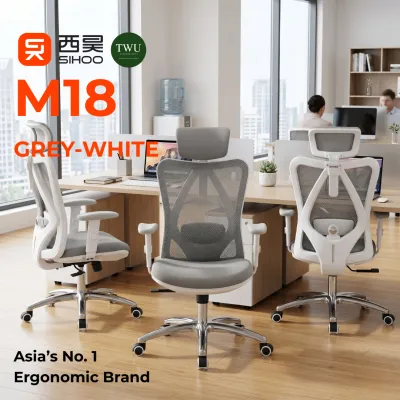
![SIHOO M56 PRO [Latest Version] Ergonomic Office Computer Gaming Desk Chair 2 Year Warranty | Adjustable Height Adjustable Headrest Adjustable Armrest and Lumbar Support Recline-lock feature | Sihoo Official](https://img.lazcdn.com/g/p/c8340e0ddfe196b55c67fc7273478caf.png_400x400q80.png_.webp)
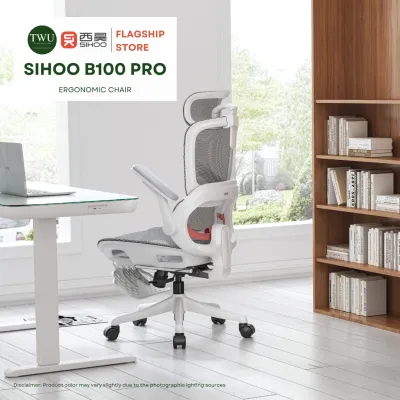
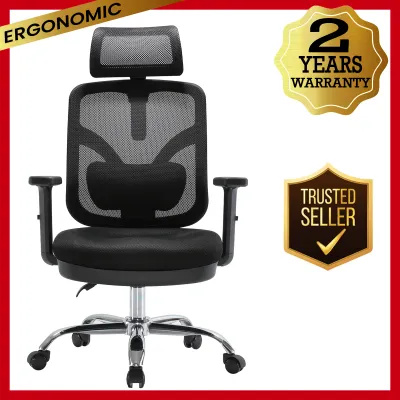
Prices are valid at publication and may change. Please refer to the product page for the latest price.
When browsing online marketplaces in the Philippines, you will notice that exact model names, stock levels, and promotional prices fluctuate frequently. Because of these shifts, you should avoid hunting for a single static model code. Instead, focus your evaluation on the specific feature sets, structural materials, and adjustment capabilities offered at each price point.
Your primary decision rule in this price bracket must prioritize spinal health and mechanical safety over cosmetic accessories. A highly adjustable lumbar support system, a spacious seat pan, and a certified gas lift cylinder are far more valuable for your long-term health than secondary add-ons like built-in footrests, coat hangers, or colorful gaming aesthetics. Investing your budget in structural integrity ensures the chair actually protects your body during long hours of desk work.
At the lower end of the budget, you must be prepared to accept certain compromises, such as fixed armrests or a plastic base, while insisting on non-negotiable safety features. As the price increases, these compromises disappear, replaced by heavy-duty steel or aluminum bases, multi-directional armrests, and high-tension mesh. Understanding these distinctions prevents you from overpaying for flashy features while neglecting core ergonomic support.
Entry-Level (₱3,000–₱6,000): Maximizing Basic Comfort and Support
In the entry-level bracket, the most common construction style pairs a breathable mesh backrest with a high-density foam seat cushion. This hybrid design offers a practical balance, providing ventilation for your back while maintaining a soft, familiar seat base. Some entry-level models attempt a full-mesh design, but these often use lower-tension fabrics that can sag prematurely under consistent daily weight.

While foam cushions offer immediate softness, they carry a long-term durability trade-off. Over years of continuous use, lower-grade foam can compress permanently, reducing its supportive qualities and exposing you to the hard seat frame underneath. If you choose a foam-seat model in this tier, look for product descriptions specifying “high-density” or “molded” foam, which resist flattening much better than standard cut foam.
Adjustability in this entry-level tier is functional but limited to standard parameters. You will typically find basic seat height adjustment, a simple tilt-and-lock mechanism (often locking only in the upright position), and basic tilt tension control. Armrests are usually fixed to the frame or offer simple height adjustments, and the lumbar support is typically a manual plastic pad with limited vertical travel.
Before purchasing an entry-level model, you must carefully verify the manufacturer’s stated weight capacity and physical seat dimensions. Budget chairs often feature narrower seat pans and shorter backrests to save on material costs, making them less suitable for taller or broader body types. If your body dimensions are close to the upper limits of an entry-level chair, upgrading to a wider mid-range model is highly recommended to avoid physical pinching.
Finally, inspect the base material and caster specifications of your chosen model. Nylon bases are standard in this price range; ensure the product images show structural reinforcing ribs on the underside of the nylon legs. Standard hard nylon casters can scratch delicate wood or laminate flooring common in Philippine homes, so consider purchasing aftermarket polyurethane (PU) casters if you do not plan to use a chair mat.
Mid-Range (₱6,000–₱10,000): Targeting the Ergonomic Sweet Spot
Stepping into the mid-range tier introduces full-mesh construction, which replaces the foam seat cushion with a suspended mesh seat pan. This design eliminates the risk of cushion bottoming-out and significantly improves airflow around your thighs and glutes. Additionally, mid-range models upgrade the lumbar support to independent, spring-loaded, or height-and-depth-adjustable systems that adapt more precisely to the natural curve of your lower spine.
Another significant upgrade in this tier is the inclusion of multi-dimensional armrests, often designated as 2D or 3D. These armrests allow you to adjust not only the height but also the depth (forward and backward) and the angle (pivoting inward or outward). This adjustability is crucial for supporting your forearms properly, reducing strain on your shoulders and neck while typing or using a mouse.
Seat depth adjustment is an unsung ergonomic feature that often becomes available in this mid-range bracket. This mechanism allows you to slide the seat pan forward or backward relative to the backrest. Maintaining the correct seat depth—leaving a two-finger gap between the front edge of the seat and the back of your knees—ensures proper thigh support without restricting blood circulation in your lower legs.
At this price point, you must actively verify the safety certifications of the gas lift cylinder. Look for explicit mentions of SGS, BIFMA, or TÜV certifications in the product specifications, and inspect the physical cylinder upon delivery for these stamped markings. A certified Class 3 or Class 4 gas lift contains thicker steel walls and higher-quality seals, ensuring the chair maintains its height safely without sudden sinking or structural failure.
Mesh quality can vary dramatically in the mid-range market, making it essential to look past generic marketing claims. Check the product documentation for tear-resistance ratings or specific warranties covering mesh sagging. High-quality elastomeric mesh feels firm and springy to the touch, recovering its original shape immediately when you stand up, whereas low-grade mesh feels thin and easily stretchable.
Upper-Mid (₱10,000–₱15,000): Investing in Advanced Dynamic Features
When you invest in the upper-mid tier, you are paying for advanced mechanical engineering that actively responds to your body movements. These models frequently feature dynamic lumbar tracking, where the lower portion of the backrest automatically pivots and shifts pressure as you lean forward, sit upright, or recline. This continuous support reduces the mechanical stress on your lumbar discs throughout a varied workday.
These premium models also utilize synchronized tilt mechanisms, which recline the seat pan and the backrest at a coordinated ratio (typically 2:1). This synchronization keeps your feet flat on the floor and your eyes relatively level even when reclining, preventing the front edge of the seat from lifting and pressing against the underside of your thighs. The tilt mechanism also features multiple lockable positions, allowing you to secure the recline at various comfortable angles.
While features like retractable footrests and highly adjustable headrests are common in this tier, you should evaluate their practical utility before paying a premium for them. If your daily routine consists almost entirely of focused, upright computer work, a footrest will likely remain unused under the chair, adding unnecessary weight and bulk. Focus your budget instead on models that prioritize superior mesh tension and robust aluminum base frames.
Before completing your purchase of an upper-mid tier chair, measure your workspace footprint and your desk clearance. These chairs tend to have wider five-star bases (often up to 70cm in diameter) and bulkier frames that may not slide fully under compact desks. Ensure that the maximum armrest height aligns with your keyboard tray or desk surface to maintain a healthy 90-degree elbow angle during work.
Additionally, consider the physical delivery and assembly conditions of these heavier models. Upper-mid tier chairs often feature heavy steel or solid aluminum bases and complex multi-part backrests, resulting in shipping boxes that can weigh over 20 kilograms. Verify that your doorways, hallways, and apartment lifts can accommodate a package of this size, and prepare a spacious, clean area in your home to complete the assembly process safely.
Essential Pre-Purchase Checks and Hidden Costs to Verify
To avoid unpleasant surprises at checkout, always calculate the total landed cost of your chair. Because ergonomic chairs are heavy and bulky, shipping fees can be substantial, particularly if you live outside Metro Manila in provincial Luzon, the Visayas, or Mindanao. Some sellers offer free shipping promotions, while others add high delivery surcharges at the final payment screen, making it vital to compare the total final price across different listings.
To protect your investment, buy exclusively from authorized distributors or official flagship stores on your chosen e-commerce platform. Buying from unverified third-party sellers to save a few hundred pesos often leaves you with counterfeit components, older stock with degraded gas lifts, or a complete lack of warranty support. Official sellers will clearly display their brand authorization badges and offer reliable customer service channels.
Carefully read the fine print of the warranty terms before clicking the purchase button. A manufacturer’s “3-year warranty” does not always mean every component is covered for three years. In many cases, the structural steel frame is covered for the full duration, while the gas lift, caster wheels, and mesh fabric may only carry a 1-year or 6-month warranty. Understanding these distinctions helps you set realistic expectations for the lifespan of individual parts.
Finally, perform a thorough inspection of the chair immediately upon delivery. Carefully unbox the components and check for shipping damage, such as cracked plastic frames, torn mesh, or missing assembly hardware. Assemble the chair on a soft surface to prevent scratching, and test the gas lift and tilt mechanisms immediately. Keep the original shipping box and packaging intact for at least a week, as online marketplaces and logistics couriers generally refuse return shipments if the item is not packed in its original container.
Frequently Asked Questions (FAQ)
Is a full-mesh chair better for the humid climate in the Philippines?
Yes, a full-mesh chair is highly advantageous for the tropical, high-humidity climate of the Philippines. Because mesh allows air to circulate freely through both the backrest and the seat pan, it prevents heat and sweat from becoming trapped against your body. This active ventilation keeps you significantly cooler than high-density foam cushions, which tend to absorb and retain body heat over hours of continuous sitting.
However, full-mesh chairs require a specific maintenance routine to preserve their performance and hygiene. Dust, lint, dead skin cells, and sweat residue can accumulate in the mesh pores and around the seat frame over time. To prevent this buildup from degrading the fibers, you should vacuum the mesh regularly using a soft brush attachment and wipe down the frame with a damp microfiber cloth.
What should I do if the chair I receive has a defective gas lift?
If your new chair slowly sinks on its own, fails to rise, or feels completely stuck, you are likely dealing with a defective gas lift cylinder. You must strongly avoid any DIY repair attempts, such as applying heat, using heavy pipe wrenches, or attempting to puncture the cylinder. The chamber inside a gas lift contains nitrogen gas pressurized to extremely high levels, and tampering with it can cause the cylinder to rupture violently, presenting a severe risk of personal injury.
Instead, immediately stop using the chair to prevent sudden drops that could strain your back or damage the base. Take a clear video demonstrating the malfunction—such as showing the chair sinking when weight is applied—and take photos of any stamped safety certifications on the cylinder body. Contact the authorized seller or official flagship store immediately to initiate a warranty claim and request a replacement gas lift cylinder.
Community discussion
Share your experience or ask a question. Comments are reviewed before publication.