
Finding the perfect table for a small apartment balcony requires balancing physical dimensions with daily traffic patterns. The ideal choice is a compact, weather-resistant table that matches your balcony’s shape—such as a round table for square spaces or a rectangular table flush against a wall—while leaving enough clearance for doors to open fully and people to move comfortably. In tropical climates like the Philippines, where high humidity and sudden downpours are common, selecting the right size and shape also means considering how the furniture interacts with the elements and your home’s entryways.
Measure Your Balcony Space and Required Clearances
Before browsing online marketplaces or visiting local furniture showrooms, grab a tape measure to map out your balcony’s actual footprint. Start by measuring the total length and width of the usable floor area. Do not rely on the general floor plan of your apartment, as structural columns, drainage pipes, and protruding window sills can significantly reduce the actual space available for furniture.
Identify all fixed obstructions that cannot be moved. Air conditioning compressor units, exterior light fixtures, wall-mounted utility boxes, and drainage grates all dictate where a table can safely sit. For instance, placing a table too close to an active air conditioning exhaust can expose your seating area to hot air, making the space uncomfortable to use.
Products mentioned in this guide
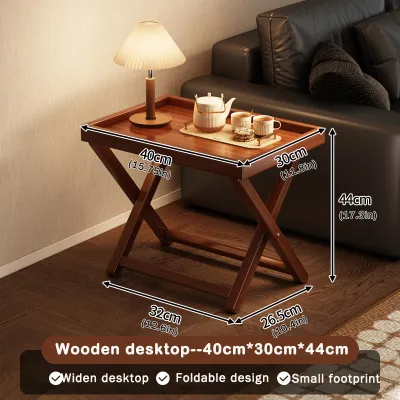
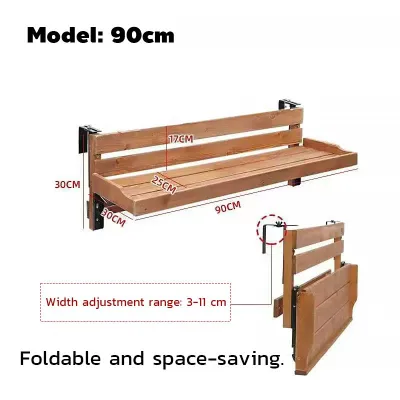
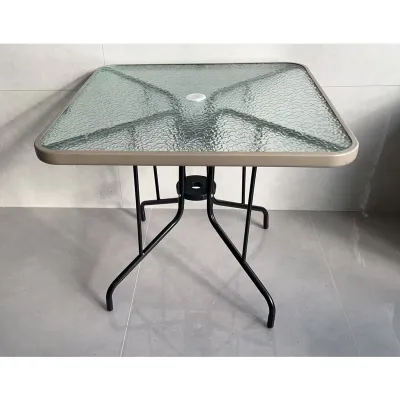
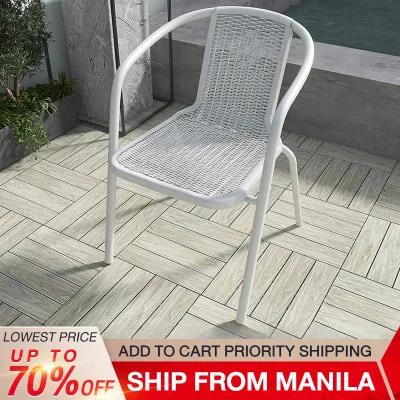
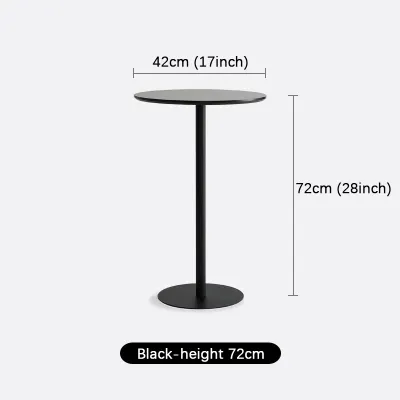
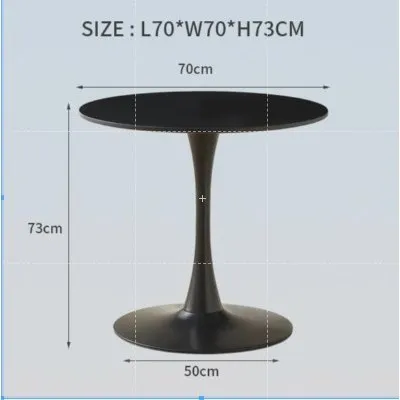
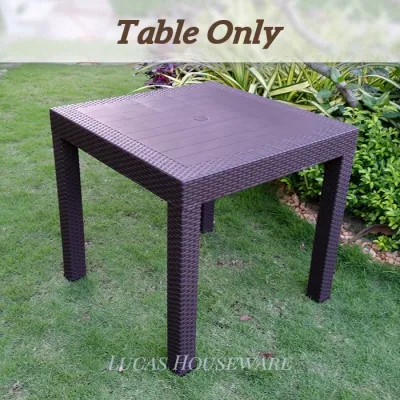
Prices are valid at publication and may change. Please refer to the product page for the latest price.
Calculate the clearance required for doors and walkways. If your balcony is accessed via a swinging door, measure the full swing radius to ensure the door can open completely without striking the table or chairs. For sliding glass doors, check that the table footprint does not overlap with the active sliding panel, which could restrict entry or create a tripping hazard during a quick transition indoors.
Account for the space needed to pull out chairs and sit down comfortably. A general rule of thumb for tight outdoor spaces is to allow enough clearance behind each seat so you do not feel trapped against the railing. Physically marking the proposed table dimensions on the balcony floor using masking tape can help you visualize the remaining walking paths before making a purchase.
Match Table Shapes to Your Balcony Layout
The geometry of your balcony plays a critical role in determining which table shape will feel natural and spacious. For square or exceptionally narrow balconies, round or oval tables are highly effective. The absence of sharp corners allows for smoother traffic flow, preventing painful bumps when navigating tight corners in dim evening light. Round tables also make it easier to squeeze in an extra chair when hosting a guest.

Rectangular or square tables are excellent matches for long, narrow balconies. These shapes can be pushed flush against a flat wall or a solid corner, instantly freeing up valuable floor space in the center of the balcony. A long, narrow rectangular table mimics the linear flow of the balcony itself, creating a cohesive visual alignment that makes the outdoor area feel longer and more organized.
If floor space is extremely limited, half-moon or D-shaped tables offer an ingenious compromise. These tables feature one flat edge designed to sit flush against a wall or secure railing, while the outer curved edge projects gently into the usable space. This design maximizes the usable surface area for drinks or light meals while keeping the central walkway as open as possible.
Determine the Right Table Size for Your Needs
To find the right table size, clarify how you intend to use your balcony on a daily basis. If your primary goal is to enjoy a morning cup of coffee or read a book alone, a small bistro table with a minimal footprint is more than sufficient. However, if you plan to share casual dinners with a partner or use the table to display a collection of potted tropical plants, you will need to prioritize a slightly larger surface area.
Consider the height of the table in relation to its intended function. Standard dining-height tables are ideal for meals and working on a laptop, but they require upright chairs that can take up more vertical and horizontal space. Conversely, a lower coffee table or side table height creates a relaxed, lounge-like atmosphere. Lower tables often have a smaller visual profile, keeping the view through your glass doors unobstructed.
Ensure that the table’s physical footprint matches your chosen seating. A common mistake is purchasing a beautifully proportioned table only to find that the accompanying chairs cannot slide underneath it when not in use. Check the manufacturer’s specifications for both the table and chairs to confirm they can be tucked away neatly, preserving precious floor space when the balcony is idle.
Explore Space-Saving Table Features
When space is at a premium, look for tables with built-in flexibility. Folding or drop-leaf tables are highly practical options for apartment living. A drop-leaf table allows you to extend the surface area when you have guests or need extra room, and fold it down to a fraction of its size when you want to clear the balcony for drying laundry or watering plants.
Nesting tables and stackable designs offer another layer of versatility. A set of nesting side tables can be stacked together in a single corner when not in use, and then separated and spread out when you need multiple surfaces for drinks and snacks. This modular approach ensures you only occupy the balcony floor space that is actively required at any given moment.
For the smallest balconies, wall-mounted or railing-mounted tables provide the ultimate space-saving solution. These designs clip or bolt directly onto the balcony railing or exterior wall, completely eliminating the need for table legs. Before choosing this route, it is critical to verify the structural weight limits and installation requirements provided by the manufacturer, ensuring your balcony railing can safely support the load.
Avoid Common Sizing and Placement Mistakes
One of the most frequent errors in balcony design is choosing a table that is too deep. A deep table can easily bisect a narrow balcony, forcing you to squeeze sideways just to move from one end to the other. Prioritize shallow, linear designs that respect the natural boundaries of your outdoor space.
Pay close attention to the visual weight and material profile of the furniture. Heavy, solid wood or bulky plastic tables can make a small balcony feel incredibly cluttered and claustrophobic. Instead, opt for tables with slender metal frames, open wire designs, or glass tops that allow light to pass through, creating an airy and open aesthetic.
Finally, protect your investment by checking the manufacturer’s care instructions and weather resistance specifications. Balconies in tropical environments are exposed to intense sunlight, high humidity, and heavy seasonal rains. Ensure the table’s finish, joints, and materials are rated for outdoor use, and establish a regular cleaning routine to prevent moisture buildup and premature wear.
Frequently Asked Questions (FAQ)
Can I use an indoor side table on my apartment balcony?
Using an indoor side table on an apartment balcony is generally not recommended unless the balcony is fully enclosed and protected from the elements. Indoor furniture is rarely treated to withstand high humidity, direct sunlight, or rain. Before placing any table outside, check the manufacturer’s specifications and material labels to verify its weather and moisture resistance. Unrated wooden tables can warp or rot, while untreated metal frames may quickly rust in tropical conditions.
What is the minimum clearance needed around a balcony table?
For comfortable movement, aim for a minimum clearance of 50 to 60 centimeters around the sides of the table where people will walk or sit. This space allows you to pull out chairs and sit down without bumping into railings or glass doors. Because every apartment layout is unique, it is best to measure your specific balcony dimensions and physically test the layout using temporary floor markers before committing to a purchase.
Community discussion
Share your experience or ask a question. Comments are reviewed before publication.