
Selecting the perfect cozy sofa for a large family living room requires balancing generous seating capacity with the physical constraints of your floor plan. The ideal choice depends on how your household uses the space daily, whether you prefer structured linear seating, corner-hugging sectionals, or highly adaptable modular setups. By measuring your room accurately and understanding how different configurations affect traffic flow, you can find a centerpiece that brings everyone together without making the room feel cramped.
Assessing Your Living Room Space and Delivery Access
Before browsing showroom floors or online catalogs, you must establish the exact boundaries of your living space. Begin by measuring the length and width of the room, then sketch a quick floor plan to identify the primary focal point, such as a television, entertainment console, or a large window. In many open-plan layouts, the living room must also share space with a dining area, making it vital to mark where one zone ends and another begins.
Next, note any fixed architectural features that cannot be easily altered. Look for structural pillars, built-in shelving, low-hanging light fixtures, and wall-mounted split-type air conditioning units. Placing a tall-backed sofa directly under an air conditioner can disrupt airflow, while positioning a deep couch too close to built-in cabinets can block access to storage doors.
Products mentioned in this guide
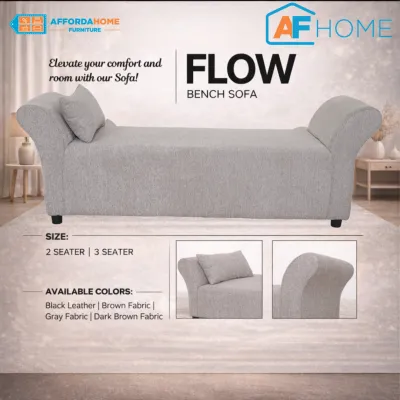
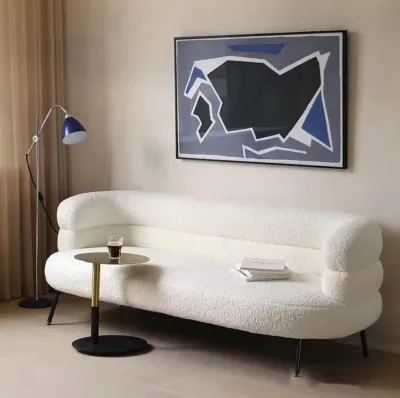
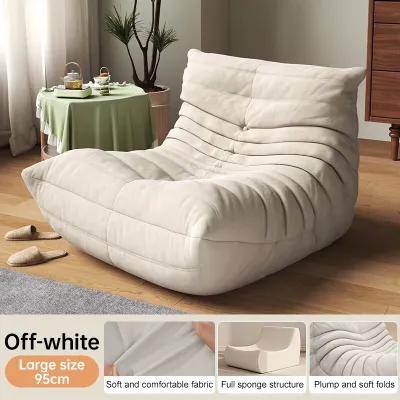
Prices are valid at publication and may change. Please refer to the product page for the latest price.
The most critical and frequently overlooked step is measuring the path the furniture must take to enter your home. Check the height and width of all entryways, narrow hallways, tight staircase corners, and elevator doors. For high-rise condominium dwellers, elevator clearance is often the ultimate limiting factor, meaning a massive, single-frame five-seater might be physically impossible to deliver, whereas a modular design can easily ride up the lift in separate boxes.
Comparing Cozy Sofa Shapes for Large Family Lounging
The shape of your couch dictates how your family interacts and how naturally traffic flows through the room. While comfort is subjective, different configurations offer distinct advantages for daily lounging, hosting guests, and maximizing floor space.

3 to 5-Seater Straight Sofas
A traditional straight sofa provides a structured, formal look that keeps the center of the living room open and uncluttered. For large families, a 4-seater or 5-seater option offers a continuous line of cushions, making it excellent for lining up along a long, uninterrupted wall.
However, linear seating has its practical limitations. When four or five people sit in a single straight line, face-to-face conversation becomes awkward, forcing family members to lean forward or stretch to see each other. Additionally, these long frames require significant wall space and can be incredibly difficult to maneuver through standard residential doorways during delivery.
L-Shaped Sectionals
L-shaped sectionals are highly popular for large households because they naturally maximize corner areas that might otherwise go unused. By tucking the corner piece into a dead zone, you open up the rest of the room for play, foot traffic, or additional accent furniture.
When choosing an L-shaped configuration, you must decide between a left-facing or right-facing chaise. Think about how the chaise extension will affect the room’s sightlines and TV viewing angles. A poorly placed chaise can block the natural pathway into the seating area or cut off the visual flow of an open-concept space, so choose an orientation that guides eyes toward the room’s main focal point.
Modular Sofas
For ultimate flexibility, modular systems allow you to buy individual seats, corner units, and ottomans that clip together in various configurations. This adaptability is perfect for active families who enjoy rearranging their space for movie nights, weekend gatherings, or seasonal changes.
Modular designs also offer excellent long-term value. If your family grows or you move to a larger home, you can simply purchase additional middle or corner modules rather than investing in a completely new couch. Furthermore, because the sofa arrives in individual, manageable pieces, it bypasses almost all delivery access issues in tight stairwells and small elevators.
Determining Ideal Dimensions and Walkway Clearances
To ensure your living room remains a comfortable place to move around, you must balance the physical size of the sofa with the surrounding empty space. A sofa that is too deep can swallow a room, while one that is too shallow will fail to provide that sink-in, relaxing feeling your family craves.
Start by checking the seat depth and backrest height. For casual lounging, reading, and afternoon naps, a deep seat of 40 inches (about 101 cm) or more is highly desirable, but it requires a larger overall footprint. If your family members prefer a more upright sitting posture, or if space is slightly limited, a standard seat depth of 35 to 38 inches (89 to 96 cm) provides excellent support without dominating the room’s visual scale.
To maintain a comfortable flow of movement, aim for at least 30 to 36 inches (76 to 91 cm) of clear walkway space around all sides of the sofa. This ensures family members can walk past without squeezing sideways or bumping into other furniture. If your living room serves as a major pathway to the kitchen or outdoor patio, keeping these corridors wide is essential for daily convenience.
Keep the distance between the front of the sofa and your coffee table between 14 and 18 inches (35 to 45 cm). This distance provides plenty of legroom for taller family members while keeping drinks, remote controls, and snacks within easy reach.
Finally, avoid pushing the back of your sofa flush against the wall. Leaving a small gap of 2 to 4 inches (5 to 10 cm) prevents the fabric from rubbing against the paint, which can cause unsightly scuffs and wear. In hot, humid tropical climates, this gap is also crucial for promoting air circulation, helping to prevent moisture buildup and mold behind the cushions.
Common Sizing and Placement Mistakes to Avoid
Choosing family furniture involves avoiding common psychological traps and layout errors that can lead to post-purchase regret.
One of the most frequent errors is falling victim to the “showroom illusion.” Furniture showrooms have soaring ceilings and massive open floor plans that make oversized, deep-seated sectional sofas look deceptively compact. When that same sofa is delivered to a standard residential living room, it can easily overwhelm the space, blocking windows and making the room feel claustrophobic. Always rely on your recorded tape measurements rather than your visual memory of the store.
Another mistake is pushing all your furniture flat against the walls in an attempt to make a large room look bigger. In spacious living rooms, this layout creates a cold, disconnected center space where family members feel too far apart to converse comfortably. Instead, try “floating” the sofa by placing it in the middle of the room, using its back to define a cozy, intimate conversation zone while leaving the perimeter open for walkways.
Be careful not to block natural light sources or primary household traffic paths. A tall backrest positioned directly in front of a low window can cut off natural sunlight and breeze, making the room feel dark and stuffy.
Lastly, do not sacrifice structural durability and cushion support just to get the largest possible frame within your budget. A massive, inexpensive sofa with weak springs and low-density foam will quickly sag under the daily weight of a large family. It is often wiser to invest in a slightly smaller, high-quality three-seater paired with durable accent chairs than an oversized, poorly constructed sectional that needs replacement in a couple of years.
Frequently Asked Questions (FAQ)
How many seats does a large family actually need?
Your sofa does not need to accommodate every single family member at the exact same time. Instead of buying a massive couch to handle peak holiday gatherings, focus on your household’s daily lounging habits. A comfortable 3-seater or a medium L-shaped sectional is often plenty when paired with flexible secondary seating, such as lightweight accent chairs, ottomans, or floor cushions, which can be easily moved around as needed.
What fabric is best for a cozy family sofa?
When shopping for a busy household, always check the manufacturer’s care labels and look for high rub counts, which indicate fabric durability. Tightly woven synthetic performance blends, such as polyester or microfibers, offer excellent stain resistance and are easy to clean. Removable, machine-washable slipcovers are another fantastic option for families, allowing you to easily wash away spills, sweat, and dirt to keep your lounging area fresh and hygienic in humid weather.
Community discussion
Share your experience or ask a question. Comments are reviewed before publication.