
Organizing a storage area requires more than simply buying the first industrial-looking rack you find online. To establish an organized, safe, and highly functional storage system, selecting the correct dimensions and load limits is absolutely critical. Choosing the wrong setup can lead to sagging shelves, blocked hallways, or even dangerous structural collapses.
Investing in a high-quality metal shelves rack heavy duty system ensures that your valuable household appliances, packed moving cartons, and heavy tools remain safe and accessible. By matching the physical dimensions of the rack to your available floor footprint and calculating the actual weight of your belongings, you can maximize your vertical space without compromising safety.
This practical guide will walk you through the essential steps of measuring your room, decoding manufacturer weight ratings, estimating your stored loads, and matching shelf designs to specific rooms in your home.
Products mentioned in this guide
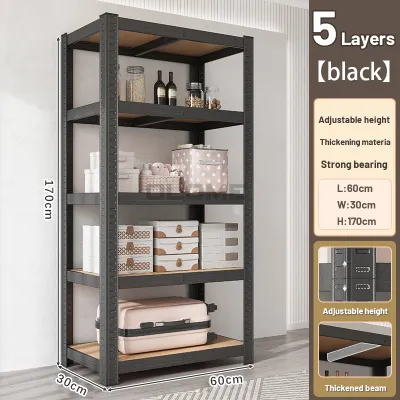
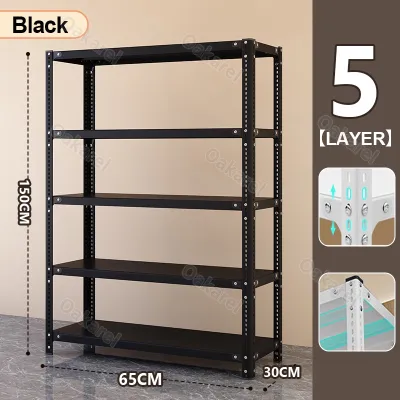
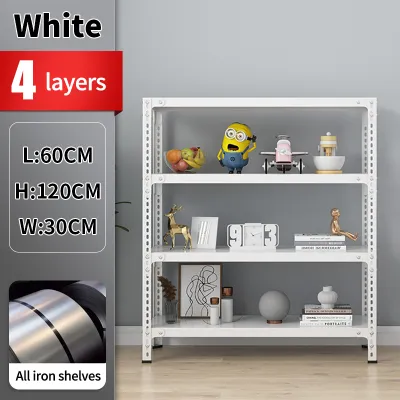
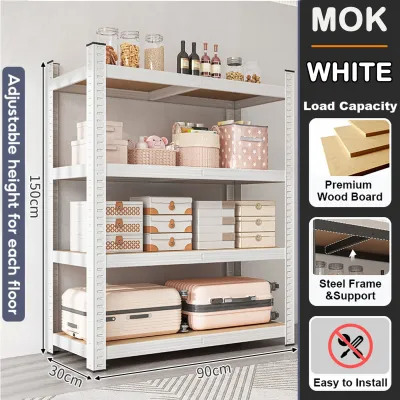
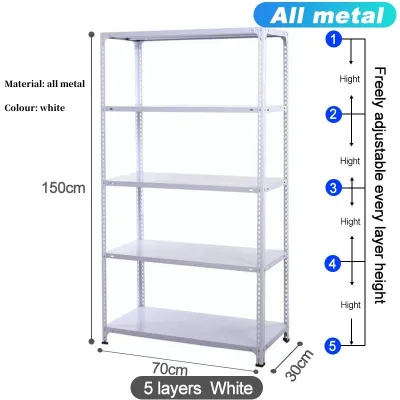
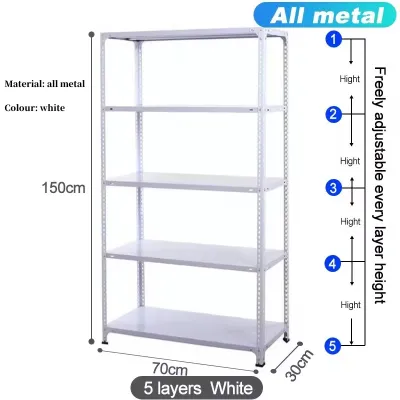

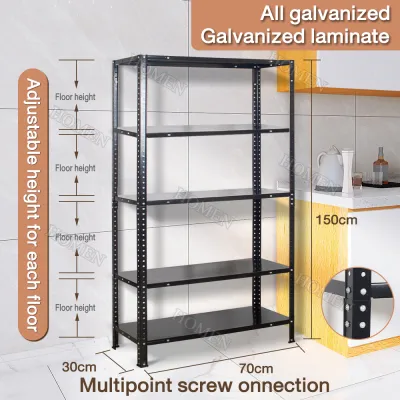
Prices are valid at publication and may change. Please refer to the product page for the latest price.
Measure Your Space: Floor Footprint, Ceiling Height, and Pathways
Before browsing any catalog or visiting a showroom, you must precisely map out the physical boundaries of your intended storage area. A heavy-duty shelving unit is a semi-permanent fixture, meaning an error of even a few centimeters can prevent the unit from fitting or make the surrounding space unusable.
Begin by measuring the exact floor footprint where the rack will stand. Use a steel measuring tape to record the maximum width and depth available. It is highly recommended to leave at least two to three inches (five to eight centimeters) of clearance between the rack and the surrounding walls. This gap accommodates baseboards, allows for proper air circulation to prevent moisture buildup—a common issue in humid tropical climates—and ensures you do not scratch your walls during assembly.
Next, measure the ceiling height of the room. Residential ceiling clearances in the Philippines can vary significantly, ranging from high-ceilinged modern houses to lower clearances in apartments, basements, or utility rooms. Ensure that the total height of the shelving unit leaves at least 30 to 45 centimeters of clearance from the ceiling. This space is necessary to comfortably place items on the top shelf and prevents the unit from obstructing ceiling fans, light fixtures, or wall-mounted split-type air conditioners.
Finally, map out the pathway the shelving components must take to reach their final destination. Measure the width of your doorways, hallways, tight corners, and stairwells. If you live in a condominium or high-rise building, check the dimensions of the service elevator and consult the building administration regarding moving day guidelines. Transporting long, heavy metal uprights and wide shelf decks through tight spaces requires careful planning to avoid damaging your home’s walls or the product itself.
Decode Weight Capacity Ratings for Heavy-Duty Metal Racks
Understanding how manufacturers rate the load limits of a metal shelves rack heavy duty unit is vital for preventing structural failure. Many buyers make the mistake of looking at a single number on a box and assuming it applies universally to their storage setup.

First, you must differentiate between “per-shelf capacity” and “total unit capacity.” The per-shelf capacity dictates the maximum weight a single tier can safely support when assembled correctly. The total unit capacity is the absolute limit the entire metal frame can hold across all tiers combined. For example, a five-tier rack might feature shelves rated for 200 kilograms each, but the overall frame might have a maximum total capacity of 800 kilograms. Loading all five shelves to their individual 200-kilogram limit would result in a total load of 1,000 kilograms, exceeding the frame’s safe limit and risking a catastrophic collapse.
Second, pay close attention to how the weight must be distributed. Manufacturer weight ratings are almost always based on a Uniformly Distributed Load (UDL). This means the weight must be spread evenly across the entire surface of the shelf. A “point load”—where a heavy, concentrated object is placed directly in the center of the shelf—exerts massive localized stress. A single 50-kilogram object placed in the center of a shelf rated for 150 kilograms UDL can easily cause the deck to bend, warp, or slip from its joints.
Never guess a shelf’s capacity based on the visual thickness of the metal or how sturdy it feels to the touch. Always locate and check the manufacturer’s official specification label, product manual, or retail listing. Different steel grades, reinforcement channels beneath the shelf deck, and joint designs alter weight capacities dramatically.
To ensure long-term durability and safety, apply a 20% safety margin. If you plan to store 100 kilograms of goods on a shelf, select a unit rated for at least 125 kilograms. This buffer accounts for the dynamic stress of placing items down quickly, uneven weight distribution, and the natural wear of the materials over time.
Estimate Your Load: Weighing Moving Cartons, Appliances, and Tools
To select the right weight capacity, you must have a realistic estimate of how much your stored items actually weigh. Guessing the weight of household goods often leads to underestimating the load, which puts your shelving unit at risk.
Start by categorizing your items into general weight groups to plan your shelf layout:
- Light Loads (Under 15 kg): This group includes items like bed linens, pillows, empty plastic organizers, holiday decorations, and light kitchenware. These should ideally be placed on the higher shelves for easy, low-risk retrieval.
- Medium Loads (15 to 40 kg): This category covers standard moving cartons filled with clothes, small kitchen appliances like microwave ovens or rice cookers, hand tools, and moderately packed storage bins.
- Heavy Loads (Over 40 kg): This group consists of heavy-duty items such as bins filled with books or financial documents, large power tools, car batteries, spare vehicle parts, and bulk water containers. These must always be placed on the lowest shelves to keep the unit's center of gravity low and stable.
To get an accurate estimate of your moving cartons, use a standard bathroom scale or a digital luggage scale. Weigh a couple of your typical packed boxes to establish a baseline. For instance, a small cardboard box packed tightly with books can easily weigh 20 to 25 kilograms, whereas a much larger box filled with blankets might weigh less than 5 kilograms. Multiply your baseline weights by the total number of boxes you plan to store on a single tier to calculate the cumulative load.
Remember to account for the weight of the storage containers themselves. Heavy-duty plastic storage crates, wooden chests, and thick cardboard boxes contribute to the overall weight. Neglecting to add the weight of these containers can push your shelf load past its safe operating limit.
Match Shelf Dimensions to Your Garage, Utility Room, or Bedroom
The ideal dimensions of your heavy-duty metal rack depend heavily on where the unit will be placed and what items it will hold. Different rooms demand different configurations to maintain both functionality and room aesthetics.
In garages, utility rooms, or outdoor-facing laundry areas, opt for deeper shelves—typically around 45 to 60 centimeters. These deeper dimensions are necessary to accommodate bulky items like large plastic storage tubs, lawn care equipment, and power tool cases without any dangerous overhang. Because these areas are often exposed to high humidity, check the manufacturer’s care instructions regarding the metal’s finish. Ensure the steel is treated with a durable powder-coated or rust-resistant finish to prevent corrosion over time.
For bedrooms, pantries, or walk-in closets, shallower shelves of 30 to 40 centimeters are far more practical. Shallow shelves prevent smaller items, such as shoes, pantry cans, or small storage boxes, from getting lost in the back. They also make it easier to see and reach everything at a glance. Additionally, shallower units have a smaller physical footprint, ensuring they do not overwhelm the room’s living space or block natural light.
Look for shelving units that feature adjustable shelf tiers. Boltless or rivet-style heavy-duty racks allow you to adjust the height of each shelf in small increments. This flexibility is incredibly useful for customizing your vertical storage space. You can create a tall bottom opening for heavy, upright items like a vacuum cleaner or a stand fan, while keeping the upper shelves closer together for flat storage boxes.
Finally, consider the visual bulk of the metal rack. An industrial-looking raw steel rack might fit perfectly in a functional garage, but it can look harsh and out of place in a bedroom or study. For living spaces, choose powder-coated racks in neutral colors like matte black, white, or grey to blend more seamlessly with your interior design.
Common Sizing and Placement Mistakes to Avoid
Even the strongest metal shelving unit can fail or become a safety hazard if it is installed incorrectly or placed in an unsuitable location. Avoiding these common mistakes will protect your home, your belongings, and your family.
One of the most frequent errors is ignoring floor unevenness. Many floors in garages, utility rooms, or older homes are sloped slightly for water drainage or have settled unevenly over time. Placing a heavy-duty rack on an uneven surface causes the frame to lean, distributing the weight unequally across the joints. This uneven stress can warp the metal frame and lead to a sudden collapse. Always use adjustable leveling feet or high-quality shims to ensure the unit is perfectly level before loading any items.
Another critical mistake is failing to anchor tall shelving units to the wall. Any unit that is tall, narrow, or top-heavy presents a severe tipping hazard. This risk is especially high in earthquake-prone regions or in households with active children and pets who might attempt to climb the shelves. Always secure units taller than 1.5 meters to wall studs using appropriate anchoring brackets.
Many users also miscalculate the total weight capacity by filling every shelf to its maximum rated limit. As discussed earlier, loading five shelves to 200 kilograms each on a frame rated for only 800 kilograms total will overload the structure. Always plan your storage layout so that the heaviest items are at the bottom and the cumulative weight remains well below the frame’s total limit.
Lastly, avoid blocking essential pathways. Placing a shelving unit too close to doorways, windows, electrical panels, or high-traffic corridors violates basic fire safety rules and causes daily inconvenience. Ensure there is ample space to walk past the rack and that doors can open fully without hitting the metal frame.
Frequently Asked Questions (FAQ)
Do I need to anchor heavy-duty metal shelves to the wall?
Yes, anchoring is highly recommended for any heavy-duty metal shelving unit taller than 1.5 meters, especially in earthquake-prone regions like the Philippines. Securing the rack to wall studs prevents dangerous tip-overs caused by seismic activity, accidental bumps, or children climbing the frame. Always check the manufacturer’s specific anchoring instructions and use the provided wall-mounting hardware to ensure a secure installation.
Can I adjust the shelf heights after assembling the unit?
Yes, most modern boltless or rivet-style heavy-duty metal shelves are designed with adjustable tiers, allowing you to reposition them as your storage needs change. However, adjusting the shelf heights after assembly requires you to completely unload all items and manually tap the support beams out of their locking slots. To save time and effort, it is best to plan your vertical spacing carefully before your initial assembly.
Community discussion
Share your experience or ask a question. Comments are reviewed before publication.