
Setting up a new home in the Philippines brings the exciting but challenging task of organizing your belongings. Whether you are unpacking kitchen appliances, arranging heavy storage boxes from your recent lipat bahay move, or setting up a utility area, finding the right storage solution is essential. A heavy duty metal shelves rack offers an excellent way to maximize vertical space, but choosing the wrong size or weight capacity can lead to sagging shelves, damaged floors, or even safety hazards. To make the right choice, you must balance the physical dimensions of your room with the actual weight and size of the items you plan to store.
Selecting the ideal shelving unit requires a systematic approach that starts long before you make a purchase. You need to measure your available floor space, map out the path the boxes will take during delivery, and calculate the weight of your heaviest items. By matching these requirements to the manufacturer’s specifications and avoiding common installation mistakes, you can ensure your new storage setup remains stable, secure, and highly functional for years to come.
Measure Your Available Space and Delivery Pathways
Before browsing online catalogs or visiting a local home improvement store, you must determine the exact physical footprint your new shelving unit can occupy. Start by measuring the designated floor area with a reliable tape measure, noting the width, depth, and total ceiling height of the room. In many homes, especially high-rise condominiums or tight townhouse units, vertical space is highly valuable, but you must leave at least a few centimeters of clearance below the ceiling to allow for comfortable assembly and airflow.
Products mentioned in this guide
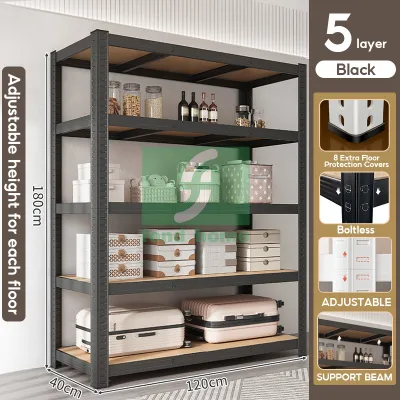

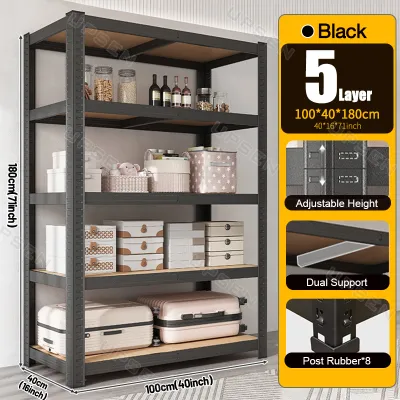
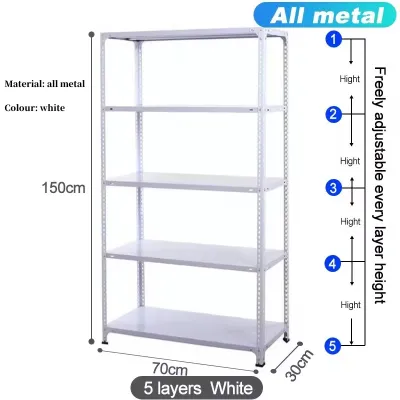
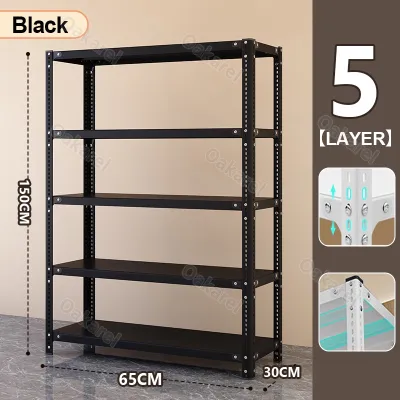
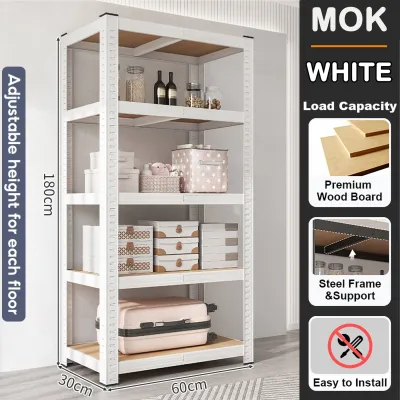
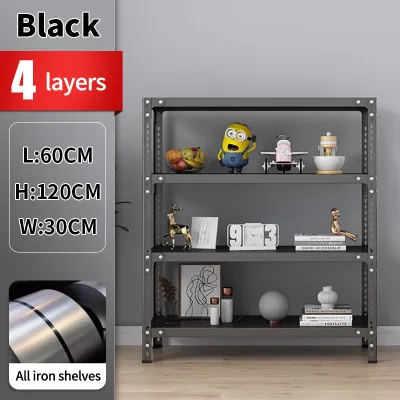
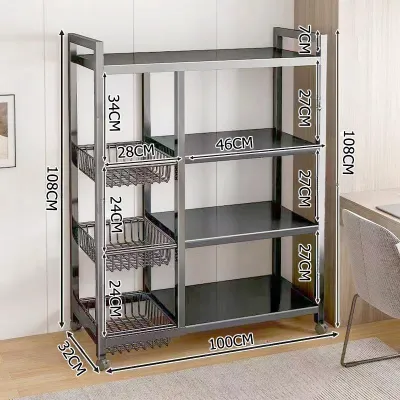
Prices are valid at publication and may change. Please refer to the product page for the latest price.
Do not overlook the physical pathways your shelving components must travel before they reach their final destination. Measure the widths of all doorways, the clearance in tight stairwells, and the interior dimensions of any elevators you will need to use during the move. A heavy duty metal shelves rack often comes in long, heavy flat packs that can be difficult to maneuver around sharp corners or through low-clearance entryways. Verifying these pathways beforehand prevents the frustration of receiving a delivery that cannot physically reach your storage room.
Additionally, inspect the specific wall area where the shelving unit will stand to identify potential obstructions. Take note of the location of baseboards, electrical outlets, light switches, and wall-mounted air conditioning units. You must also account for necessary ventilation gaps; leaving a small space between the metal rack and the wall helps prevent moisture buildup, which is particularly important in our humid tropical climate to avoid mold on your stored items.
Calculate Load Requirements for Your Household Items
To choose a rack with the correct weight capacity, you must estimate the actual load your shelves will carry. Begin by grouping your belongings by density and type, separating lightweight items from dense, heavy objects. For example, kitchen appliances like microwave ovens, rice cookers, and air fryers carry significant weight, while plastic storage bins filled with seasonal clothes or extra linens are relatively light. Garage tools, spare car parts, and large water containers represent some of the heaviest items you might store.

When calculating these requirements, focus on the maximum weight that will rest on the heaviest individual shelf layer rather than relying solely on the total weight capacity of the entire unit. It is a common mistake to assume a rack rated for 500 kilograms total can easily hold a 150-kilogram load on a single tier if the other shelves are empty. Each individual shelf has its own strict limit, and exceeding this per-tier capacity can cause the metal to bend or the support beams to buckle.
Always check the manufacturer’s specifications for the uniformly distributed load (UDL) limit versus point-load limits. The UDL rating assumes that the weight of your items is spread evenly across the entire surface of the shelf. If you plan to store heavy, compact items like a stack of cast iron pans or heavy toolboxes, these create concentrated point loads. To maintain structural integrity, distribute your heaviest items evenly across the bottom shelves, placing lighter items on the upper tiers to keep the center of gravity low.
Match Dimensions and Weight Ratings to Shelf Specifications
Once you have your spatial measurements and weight estimates, you can begin matching them to the specifications of a heavy duty metal shelves rack. Compare the depth and width of the shelves against your largest physical items, such as oversized plastic crates or bulky luggage. Ensure that no part of your stored items overhangs the front or sides of the shelf, as an uneven overhang can destabilize the rack, block walkways, or cause items to fall.
Verify both the total weight capacity of the unit and the individual per-shelf limits against your calculated household load. If you are storing heavy kitchen equipment or dense garage tools, look for racks constructed with thicker steel frames and reinforced support bars underneath each shelf. For humid environments, check that the metal has a durable powder-coated or galvanized finish to resist rust and corrosion over time.
Another critical feature to evaluate is the adjustability of the shelf heights. Look for units that feature adjustable shelf increments, which allow you to raise or lower individual tiers to accommodate tall or irregularly shaped belongings. This flexibility ensures you do not waste valuable vertical space and allows you to adapt the shelving configuration as your storage needs change over the years.
Avoid Common Sizing and Installation Mistakes
Proper planning does not end with purchasing the right size; safe installation is equally vital for long-term stability. One of the most frequent mistakes is failing to secure the shelving unit, especially when it is top-heavy or placed in high-traffic areas. In households with active pets or young children, or in regions prone to seismic activity, anchoring the metal rack to a solid wall is a crucial safety measure that prevents dangerous tip-over accidents.
Additionally, pay close attention to floor leveling during assembly. Uneven floors, which are common in older homes, garage spaces, or outdoor utility areas, can cause the entire rack to lean, shifting the weight distribution and compromising the frame’s structural integrity. Use a spirit level to check the unit, and utilize adjustable leveling feet or durable shims to ensure the rack stands perfectly upright before you begin loading any items.
Finally, ensure that your fully assembled rack does not obstruct the normal flow of your household. Double-check that there is adequate clearance for nearby doors, cabinets, and drawers to open fully without striking the metal frame. If you are placing the rack near major appliances like refrigerators or washing machines, leave enough space around their ventilation systems to prevent overheating and maintain efficient operation.
Frequently Asked Questions (FAQ)
Can I assemble a heavy duty metal shelves rack in a small room?
Yes, but you must plan your assembly space carefully. Most heavy-duty racks require extra floor space during the initial setup phase to lay out the vertical posts, horizontal beams, shelf panels, and hardware. If your designated storage room is too cramped, consider assembling the main frame in a larger adjacent area, such as a living room or hallway, and then carefully moving the empty structure into its final position. Alternatively, look for boltless shelving designs that can be built progressively from the ground up in an upright position, minimizing the floor space needed during assembly.
How do I know if my floor can support a fully loaded metal shelf?
Evaluating your floor’s load capacity is essential when storing exceptionally heavy items, particularly in multi-story homes, apartments, or condominiums. For residential buildings, check the building guidelines or consult your property management office to verify the maximum allowable floor load limits. To protect your flooring from damage, avoid placing the bare metal feet directly on soft surfaces like vinyl, linoleum, or hardwood. Using load-spreading mats, heavy-duty rubber caster cups, or wider foot caps will help distribute the point pressure evenly and prevent unsightly scratches, dents, or cracks in your tiles.
Community discussion
Share your experience or ask a question. Comments are reviewed before publication.