
To choose the right size bed frame with side rails for a small bedroom, you must select a frame where the outer dimensions—not just the mattress size—leave at least 60 to 75 centimeters of walking clearance on all open sides. For most compact bedrooms, such as typical studio or one-bedroom condominium units in metropolitan areas, a Single or Double bed frame with side rail is the most practical choice. While a Queen-size frame can fit in some small rooms, the extra bulk added by side rails often compromises wardrobe access and walking paths, making precise measurements essential before purchasing.
Measure Your Small Bedroom Before Buying
Before browsing furniture catalogs or visiting showrooms, you must establish a precise baseline of your bedroom’s physical dimensions. Use a metal measuring tape to record the exact wall-to-wall length and width of the room. Do not rely on the floor plan provided by your developer, as baseboards, plastering, and structural columns can reduce the actual usable floor area by several centimeters. If you plan to install a tall headboard or loft-style frame, measure the ceiling height as well to ensure adequate clearance.
Next, map out every permanent fixture that could interfere with your bed’s placement. Take note of low-hanging window frames, wall-mounted air conditioning units, electrical outlets, light switches, and internet ports. In tropical climates like the Philippines, positioning a bed directly under an air conditioner can lead to maintenance issues, while blocking electrical outlets with a heavy wooden frame restricts your daily utility.
Products mentioned in this guide
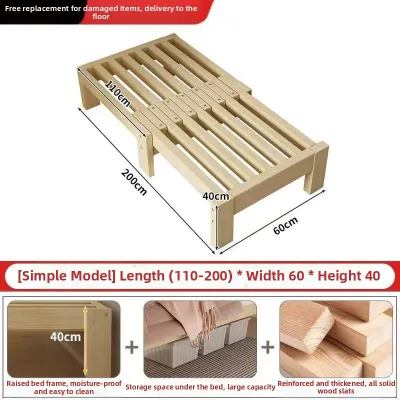
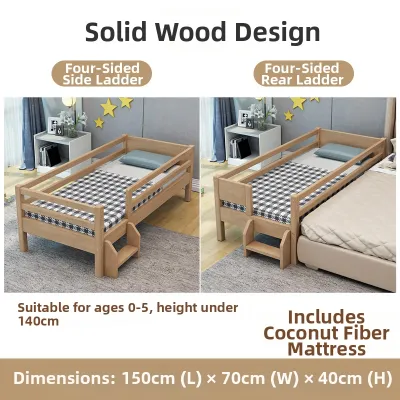

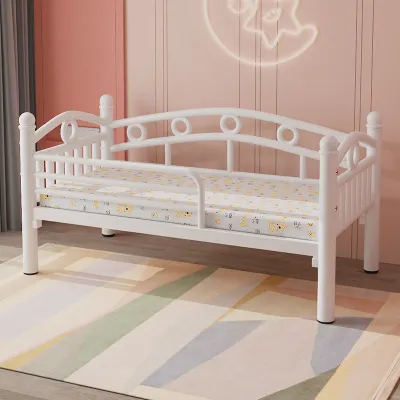
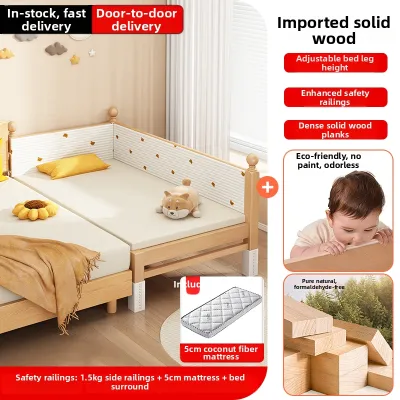
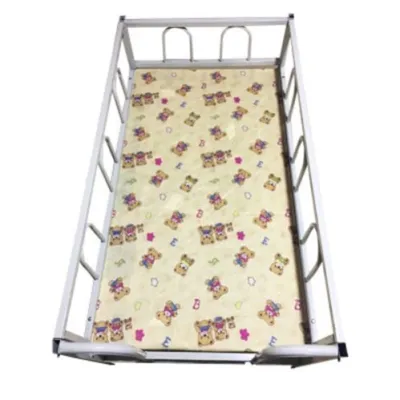
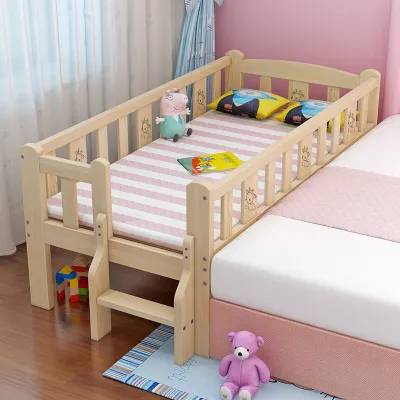
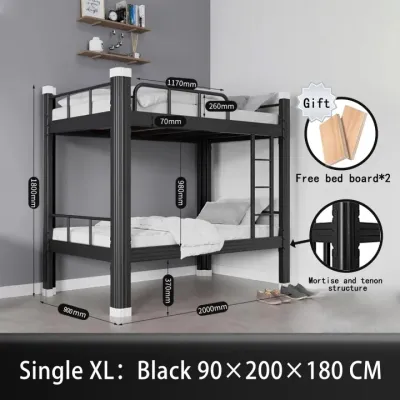
Prices are valid at publication and may change. Please refer to the product page for the latest price.
Door swing clearance is another critical factor that is easily overlooked. Measure the swing radius of your bedroom entry door, closet doors, and any ensuite bathroom doors. If a door cannot open to at least a 90-degree angle without hitting the edge of the bed frame, the layout is highly impractical and can cause damage to both the door and the furniture over time.
Finally, plan the delivery path from the building’s entrance to your bedroom. In high-rise condominiums or tight townhouse developments, large furniture components must traverse narrow building hallways, tight stairwell turns, and passenger elevators. If the side rails or headboard of your chosen bed frame are manufactured as single, non-demountable pieces, verify that they can clear these tight passages before finalizing your order.
Standard Bed Sizes and How a Bed Frame with Side Rail Affects Your Floor Space
A common misconception among furniture shoppers is assuming that a standard mattress size corresponds directly to the total floor area a bed frame will occupy. In reality, standard mattress sizes—such as Single (36 x 75 inches), Double (54 x 75 inches), and Queen (60 x 80 inches)—only represent the inner dimensions where the mattress rests. A bed frame with side rail will always have a larger physical footprint because the structural frame must encase or support the mattress.

In modern furniture design, side rails serve multiple purposes. They can act as raised protective barriers to keep the mattress from shifting, decorative upholstered borders, or safety barriers for children and older adults. Depending on the material and style, these rails can add anywhere from 5 to 15 centimeters to both the total width and the total length of the bed. For example, a heavily padded, upholstered bed frame with thick side rails will occupy significantly more floor space than a minimalist wooden or metal frame.
Because rail thickness varies drastically between manufacturers, you should never purchase a frame based on mattress size alone. Always request the manufacturer’s official specification sheet showing the exact outer dimensions (often labeled as the overall width and overall length). This ensures you are planning your room layout with the actual physical footprint of the assembled piece.
Single and Double Beds for Tight Spaces
For micro-condos, shared rooms, or guest bedrooms, Single and Double bed frames are the most efficient options. A Single bed frame with side rail provides a compact sleeping area while preserving maximum floor space for other essential furniture, such as a study desk or a small wardrobe. This size is particularly popular in rental units and studio apartments where every square meter counts.
A Double bed frame offers a middle ground, accommodating couples or single sleepers who prefer more room to move. However, when you add side rails to a Double frame, the outer dimensions can quickly approach those of a standard Queen mattress. In a narrow room, this extra width can severely restrict your walking paths, so it is crucial to verify that the remaining clearance allows for comfortable, daily movement.
Queen Beds: Maximizing Space Without Overcrowding
If you prefer a Queen-size bed, your bedroom should ideally measure at least 3 by 3.6 meters (approximately 10 by 12 feet). This size provides enough physical space to accommodate the bed while leaving room for basic movement. However, introducing a Queen bed frame with side rail into a smaller room requires careful planning, as the added bulk of the rails can easily push the frame’s outer dimensions beyond the room’s comfortable limits.
When placing a Queen frame in a compact space, you must weigh the luxury of a larger sleeping surface against the loss of floor space. Thick, decorative side rails on a Queen frame can make it difficult to place other furniture, such as a wardrobe or vanity, in the same room. If you decide on a Queen bed, look for low-profile, slim side rails to minimize the frame’s overall footprint and prevent the room from feeling overcrowded.
Calculating Walking Space and Furniture Clearance
To maintain a functional and comfortable bedroom, you must calculate the walking space around your bed frame. Interior design guidelines recommend leaving a minimum of 60 centimeters of clearance on all open sides of the bed for basic passage. For main walkways—such as the path between the bedroom door and the closet—a clearance of 75 to 90 centimeters is highly recommended to prevent you from having to squeeze past the furniture.
You must also account for the clearance required by other furniture pieces in the room. If you have a wardrobe with traditional hinged doors, you need at least 90 centimeters of space between the wardrobe and the bed frame to allow the doors to swing open fully and let you stand in front of them comfortably. If your space is exceptionally tight, consider replacing hinged wardrobes with sliding-door wardrobes, which eliminate the door swing clearance requirement entirely.
To further optimize a tight room layout, consider mounting a full-length mirror on your wardrobe door or wall. This design choice eliminates the need for a freestanding mirror footprint while visually expanding the room’s depth. When combined with a slim bed frame, a well-placed mirror can make a compact bedroom feel twice its actual size.
Bedside tables also require careful integration with your bed frame with side rail. Because the side rails add extra width to the frame, standard nightstands may not sit flush against the wall or may block access to the bed itself. If the rails are exceptionally high or bulky, you might need to opt for floating wall shelves or slim, tall side tables that can fit into narrower gaps without obstructing your movement.
Common Sizing Mistakes to Avoid in Small Rooms
One of the most frequent errors when furnishing a small bedroom is assuming the frame’s dimensions match the mattress size. This oversight often leads to buying a bed that physically fits in the room but blocks doors, drawers, or walking paths. Always verify the external dimensions of the fully assembled frame before making a purchase.
Another common mistake is ignoring the height and thickness of the side rails. High side rails can block access to under-bed storage drawers, making it impossible to utilize the valuable space beneath your bed. Additionally, if the side rails are too high, they can make it difficult to change the bed sheets or tuck in blankets, adding unnecessary frustration to your daily routine.
Failing to account for the swing radius of closet doors and the main bedroom door is another costly error. A bed frame that blocks a door by even a few centimeters can disrupt the flow of your entire home and cause constant physical obstruction. Always map out the swing paths of all doors on your floor plan before deciding on a bed size.
Lastly, do not underestimate the visual weight of bulky side rails. In a small room, heavy, dark, or heavily upholstered side rails can dominate the space visually, making the room feel cramped and claustrophobic even if the physical dimensions technically fit. Opting for light-colored materials, slim profiles, or elevated leg designs can help maintain an airy, open feel in a compact bedroom.
Space-Saving Alternatives if a Side Rail Bed Won't Fit
If your measurements reveal that a standard bed frame with side rail is simply too bulky for your small bedroom, several practical alternatives can help you maximize your space. Consider opting for a platform bed with flush edges. These frames are designed to sit flush with the mattress, eliminating the extra width and length added by traditional side rails while still providing a stable, supportive base.
Another excellent option is a bed frame with built-in storage solutions, such as headboard shelving or integrated under-bed drawers. By combining your bed and storage into a single piece of furniture, you reduce the need for separate wardrobes or bedside tables, freeing up valuable floor space elsewhere in the room. Look for designs with clean, minimalist lines to keep the room looking organized and spacious.
If your primary reason for wanting side rails is to prevent the mattress from sliding off the frame, you can achieve the same result without the added bulk. Using a high-quality non-slip mattress pad between the mattress and the frame base can keep it securely in place. Alternatively, choosing a fitted sheet with deep pockets or using a zippered mattress encasement can help maintain a neat, stable setup without requiring wide, space-consuming wooden or upholstered rails.
Frequently Asked Questions (FAQ)
Can I remove the side rails from a bed frame to save space?
Whether you can safely remove the side rails depends entirely on the structural engineering of your specific bed frame. In many modern designs, the side rails are load-bearing components that connect the headboard to the footboard and support the mattress slats; removing them can cause the entire frame to collapse. If the side rails are merely decorative or designed as optional safety attachments, they can be removed without compromising safety. Always consult the manufacturer’s assembly manual or contact their customer service to verify if the frame is structurally sound without the rails before making any modifications.
Do side rails affect the type of mattress I can use?
Yes, the height and design of the side rails will directly influence the mattress thickness you should choose. If you use an exceptionally thick pillow-top mattress with low side rails, the mattress may sit too high, rendering the rails ineffective and creating an unbalanced look. Conversely, a very thin mattress in a frame with high, deep side rails can sink too low, making it difficult to get in and out of bed and leaving the hard inner edges of the rails exposed. Check the manufacturer’s recommended mattress height specifications to ensure a safe, comfortable, and visually appealing fit.
Community discussion
Share your experience or ask a question. Comments are reviewed before publication.