
Finding the perfect center table for your sala is more than just picking an attractive design from an online marketplace. It requires a careful balance between the physical dimensions of your sofa, the layout of your living room, and the natural flow of daily foot traffic. A table that is too large will make your sala feel cramped and restrict movement, while one that is too small will look lost and remain out of comfortable reach for anyone sitting on the couch. By measuring your space, matching the table to your seating, and selecting a shape that complements your room’s geometry, you can create a harmonious and highly functional living area.
To make an informed decision, you must look beyond aesthetics and focus on ergonomics and spatial dynamics. The ideal center table serves as a functional anchor for your seating arrangement, providing a convenient surface for drinks, books, and decor while allowing everyone to move around freely. Whether you are furnishing a cozy condominium unit or a spacious open-plan home, understanding how to calculate clearances and proportions will prevent common buying mistakes and ensure your new furniture fits seamlessly into your lifestyle.
Measure Your Sala Space and Traffic Flow
Before browsing designs, you must establish the maximum physical boundaries for your center table by measuring your living room’s dimensions and mapping out daily movement paths. Start by measuring the distance between the front edge of your sofa and the opposite wall, TV console, or main focal point. This distance determines how wide your table can be without blocking the view or crowding the media area. If you have a television console, ensure there is enough room to open cabinet doors or drawers comfortably without hitting the table.
Products mentioned in this guide
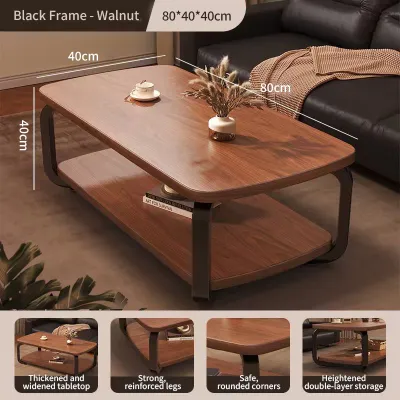
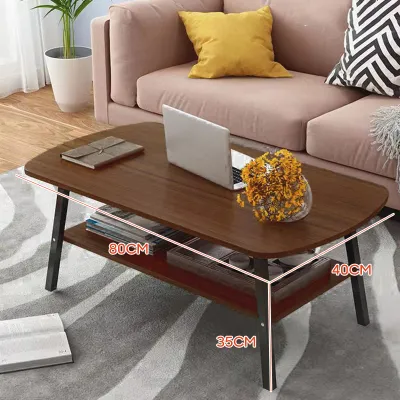
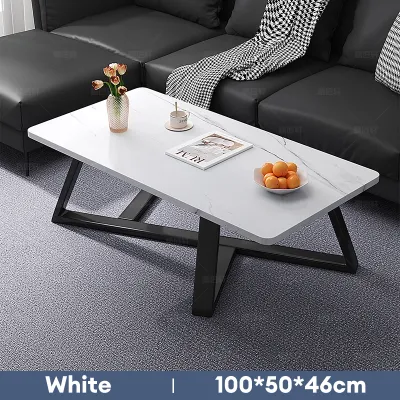
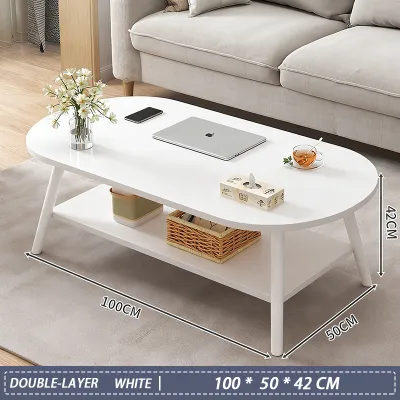
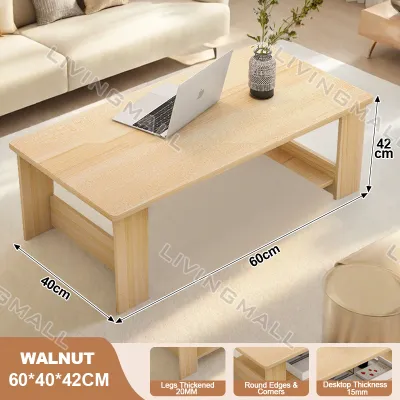
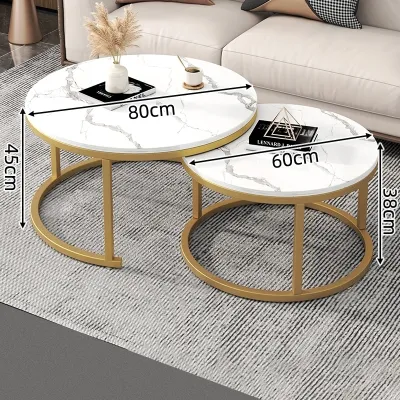
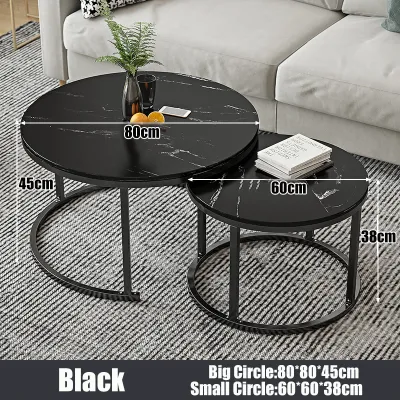
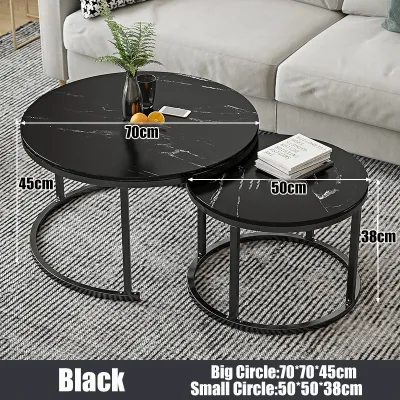
Prices are valid at publication and may change. Please refer to the product page for the latest price.
Next, identify the standard walking clearances needed for the main pathways in your sala. Main walkways through the room require a wider clearance to allow two people to pass each other comfortably. You must also account for door swings, including entryways, hallway doors, and sliding glass doors leading to a balcony or patio. In tropical climates, keeping these pathways clear is especially important to maximize natural ventilation and allow cooling breezes to circulate freely throughout the home.
Finally, take note of any fixed architectural features that might restrict your usable floor space. Structural pillars, built-in shelving units, floor-mounted air conditioning units, or even the placement of large standing fans can limit where your furniture can sit. Mark these obstacles on a simple floor plan to ensure your table choice does not force your seating into an awkward, cramped position.
Match the Table to Your Sofa Dimensions
To maintain visual balance and ergonomic comfort, your center table must be proportional to your existing sofa. A helpful guideline is to choose a table with a length that is approximately one-half to two-thirds of the total length of your sofa. A table within this range looks balanced and ensures that anyone sitting on either end of the couch can easily reach the surface without standing up. If your table is too short, it will look dwarfed by the sofa; if it is too long, it will make getting in and out of the seating area difficult.

Table height is equally critical for comfort and visual continuity. Ideally, the top of your center table should align closely with the height of your sofa’s seat cushions, or sit slightly lower. A table that is too tall will disrupt the sightlines of the room and feel awkward when you try to set down a cup, while a table that is too low requires uncomfortable bending. Measure from the floor to the top of your sofa cushion, including any sag or compression, to find your target table height.
You must also adjust these dimensions based on your specific sofa configuration. For a standard straight sofa, a classic rectangular table works beautifully. However, if you have an L-shaped sectional or a modular sofa setup, a square or round table often fits better into the open nook of the “L” shape. This configuration ensures that the table remains accessible to those sitting on both the main sofa section and the chaise lounge, creating a cohesive gathering spot.
Choose the Right Shape for Your Layout
The shape of your center table plays a major role in how your sala functions and how easily people can move through the space. Rectangular and square tables are excellent choices for traditional, symmetrical layouts and deep seating arrangements. A rectangular table pairs naturally with long, straight sofas, providing a wide surface area that mirrors the sofa’s lines. Square tables, on the other hand, work best in large rooms with facing sofas or deep sectional configurations, where they can bridge the wide gap between opposing seats.
If you have a compact living room or a home with active pets and young children, round or oval tables are highly practical alternatives. The absence of sharp corners reduces the risk of painful bumps and bruises in tight spaces. Round tables also improve physical flow, allowing you to navigate around the seating area smoothly without having to steer clear of rigid edges. Visually, circular shapes help soften the straight lines and hard angles common in modern apartment layouts.
For ultimate flexibility, consider modular or nesting tables. These designs consist of two or more smaller tables of varying heights that can be stacked together or spread out across the room. Nesting tables are perfect for multi-purpose salas, as they allow you to expand your surface area when hosting guests for snacks and drinks, and then tuck them away to reclaim valuable floor space once the gathering ends.
Verify Legroom, Clearances, and Safety
Once you have narrowed down your size and shape options, you must verify that the final selection provides comfortable legroom and meets basic safety requirements. Ensure there is a comfortable clearance between the edge of the sofa seat and the edge of the table. This gap allows enough space for your legs when sitting and standing, while keeping the table close enough to easily reach your drinks or remote controls. If the gap is too narrow, you will feel trapped; if it is too wide, the table loses its functional convenience.
If you plan to place an area rug under your seating arrangement, check how the table footprint fits within it. The table should sit comfortably on the rug, ideally leaving a generous border of carpet visible on all sides. This helps anchor the furniture visually and prevents the room from looking disjointed. If your rug is too small, placing a heavy center table on it can cause the edges of the rug to curl, creating a tripping hazard.
Before making a final purchase, review the manufacturer’s specifications for weight capacity, structural stability, and assembly conditions. If you live in a multi-story building or a condominium, verify the finished dimensions of the table against your doorway, hallway, and elevator or lift access to ensure the delivery team can safely transport it to your unit. Additionally, check the care instructions for the table’s finish. In humid tropical environments, it is wise to verify that wood joints are securely constructed and that metal frames or veneer finishes are treated to resist moisture and warping over time.
Frequently Asked Questions (FAQ)
Can I use multiple small tables instead of one large center table?
Using multiple small tables, such as a pair of matching side tables or a set of nesting tables, is an excellent way to add flexibility to your sala. This setup is particularly useful in open-plan living areas or rooms with irregular layouts where a single, heavy center table might block traffic. Multiple smaller tables can be easily moved around to serve different seating zones, allowing guests to have a surface nearby no matter where they sit. When not in use, they can be grouped together to form a dynamic, layered centerpiece or scattered to the sides of the room to keep the central floor space completely open.
How do I choose a center table for a very small sala?
When furnishing a small sala, your main goal is to maximize utility while maintaining visual lightness. Look for tables with slender legs, open metal frames, or glass tops, as these designs allow light to pass through and make the room feel more spacious. Avoid bulky, solid-block tables that consume too much visual weight. Additionally, prioritize multi-functional designs, such as tables with built-in drawers, lower open shelves, or lift-top mechanisms. These features provide valuable storage for remote controls, magazines, and extra cushions, helping you keep your limited floor space organized and clutter-free.
Community discussion
Share your experience or ask a question. Comments are reviewed before publication.