
Finding the right coffee table and chair set for your balcony or patio is a balancing act between comfort and physical space. An oversized set can turn a relaxing outdoor retreat into a cramped obstacle course, while furniture that is too small can look lost and uninviting. To make the right choice, you must evaluate your outdoor area’s actual dimensions, account for essential clearances, and select furniture proportions that match your specific layout.
In tropical climates like the Philippines, outdoor spaces serve as vital extensions of the home. However, factors like high humidity, sudden downpours, and architectural features like balcony railings or air conditioning units require careful planning. By taking precise measurements and understanding how you intend to move through the space, you can select a set that offers both aesthetic harmony and daily functionality.
Measure Your Outdoor Space and Required Clearances
Before browsing online marketplaces or visiting showrooms, you must map out the exact footprint of your outdoor area. Start by measuring the length and width of the floor space using a standard measuring tape. Do not rely solely on general floor plans, as structural variations can alter the actual usable space.
Products mentioned in this guide
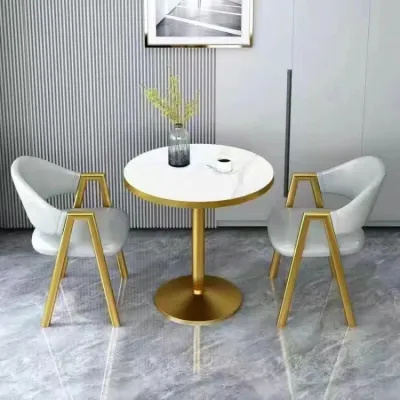
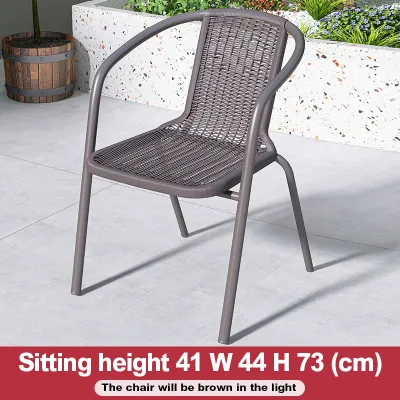
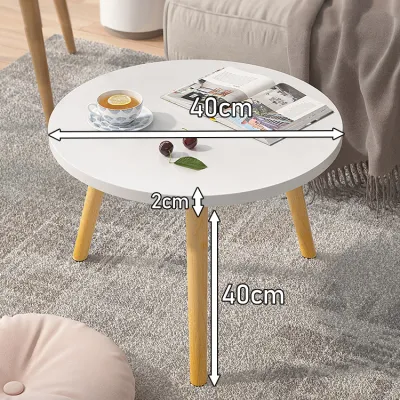
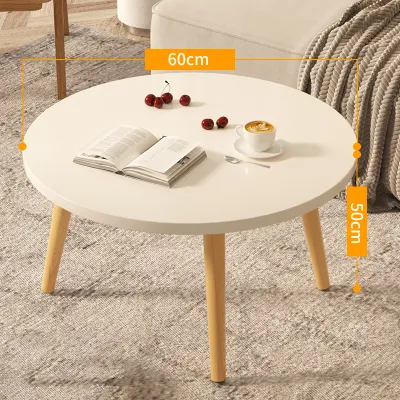
Prices are valid at publication and may change. Please refer to the product page for the latest price.
Identify and note all fixed obstacles that project into the area. On many balconies, especially in high-rise condominiums, items such as air conditioning compressor units, structural pillars, drainage pipes, and low railings significantly reduce the usable floor space. Measure the distance from these obstacles to the opposite walls to find the true inner dimensions of your layout.
Door swings and entryways require careful clearance calculations. If you have a hinged door that opens outward onto the patio, measure its full swing radius and mark this zone as off-limits for furniture placement. For sliding glass doors, ensure the tracks remain completely clear of chair legs or table bases to prevent blocking the transition between your indoor and outdoor living areas.
Finally, plan the delivery and assembly route from your property’s entrance to the final outdoor destination. Measure the width of your front door, interior hallways, stairwells, and elevator doors. If you choose a fully assembled coffee table and chair set, verifying these dimensions beforehand prevents the frustration of receiving furniture that cannot physically reach your balcony or patio.
Choose Proportions for Small Balconies and Compact Corners
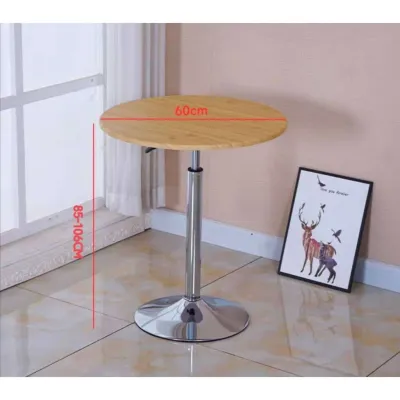
Decorating a compact balcony or a tight corner requires a minimalist approach to furniture sizing. In these restricted areas, a classic bistro set or a compact two-chair configuration with a small-diameter table is highly effective. These designs prioritize a minimal footprint, allowing you to enjoy an outdoor beverage without sacrificing valuable walking space.

For highly restricted areas, look for furniture that offers flexibility. Foldable chairs and tables can be tucked away against a wall or stored inside when not in use, instantly freeing up floor space. Wall-mounted drop-leaf tables are another practical alternative, providing a stable surface for coffee cups that can be folded flat against the balcony railing or wall when your morning routine is finished.
When selecting a compact set, calculate the clearance needed to pull out the chairs and sit down comfortably. Ensure there is enough space behind each chair so that your back does not press against a hot railing or a concrete wall while seated. Opting for chairs with a slightly upright posture rather than a deep recline can save significant floor space.
The visual weight of the furniture also plays a crucial role in how spacious a small balcony feels. Heavy, solid wooden or bulky plastic sets can make a small area feel claustrophobic. Instead, look for sets with slender metal frames, open-weave synthetic rattan, or elevated legs that allow light and air to pass through, keeping the small space feeling open and uncluttered.
Choose Proportions for Medium Patios and Standard Decks
Medium-sized patios and standard backyard decks offer more flexibility, allowing you to accommodate larger groups while maintaining a comfortable flow. A standard four-chair set with a central coffee table is often the ideal configuration for these mid-sized spaces. However, balancing the furniture’s footprint with open walking paths remains essential to prevent a cluttered appearance.
When evaluating a four-seat configuration, calculate the total footprint of the set when the chairs are in active use. This means adding the depth of the chairs when pulled out from the table, rather than just their tucked-in dimensions. Ensuring that guests can stand up and push back their chairs without stepping off the paved patio surface or into garden beds is key to a functional layout.
The shape of your coffee table should complement the natural proportions of your patio. If your outdoor space is long and narrow, a rectangular or oval coffee table aligns naturally with the spatial flow, allowing chairs to be placed side-by-side or at the ends. For square decks, a round or square table helps distribute the seating evenly, fostering a more conversational atmosphere.
Additionally, verify that your chosen set leaves sufficient room for secondary outdoor elements. A medium patio often hosts other items like potted tropical plants, a small barbecue grill, or decorative floor lanterns. Leaving a dedicated buffer zone around your seating arrangement ensures these accessories do not crowd your main conversation area or block primary walkways.
Choose Proportions for Large Gardens and Open Terraces
Expansive outdoor areas, such as large gardens, open terraces, or wide backyard decks, present the opposite challenge: furniture that is too small can look isolated and dwarfed by the surroundings. To create an inviting atmosphere, scale up your furniture choices by opting for larger conversation sets, deep-seating sectional sofas, or multiple clustered seating zones.
A large central coffee table paired with a spacious sectional sofa or multiple armchairs helps anchor the entire area. If the space is exceptionally large, consider dividing it into distinct functional zones. For example, you can place a primary coffee table and chair set in one corner for morning coffee, and a separate dining or lounging set in another area to accommodate different activities.
To visually define and ground your seating arrangement within a vast space, consider using an outdoor rug. Placing the coffee table and the front legs of the chairs on a weather-resistant rug binds the pieces together visually, preventing them from looking like they are floating aimlessly on a large expanse of concrete or decking.
When scaling up your furniture, ensure the height of the coffee table and the chair seats remain proportionate to the surrounding landscape features. Low-slung, modern lounge sets work beautifully against open horizons or low garden walls, while taller, more substantial wooden or wrought-iron sets match the scale of mature trees, high pergolas, or grand architectural backdrops.
Arrange Your Set for Comfortable Flow and Daily Use
Once you have selected the right size coffee table and chair set, the final step is optimizing the layout for daily comfort and safety. Position the coffee table within an easy, comfortable reaching distance from every seated position. This ensures that guests can set down drinks, books, or small plates without having to stand up or stretch awkwardly.
In tropical environments, weather patterns must influence your furniture placement. Avoid positioning your chairs directly under dripping roof edges, unguttered eaves, or active air conditioning condensation drains, which can cause water damage or discomfort during sudden downpours. Additionally, observe how wind moves through your space, especially on high-rise balconies, and position heavier pieces where they are less exposed to strong wind channels.
Safety and utility access should never be compromised for aesthetics. Ensure your furniture arrangement does not block emergency exit routes, fire escapes, or access to utility panels and outdoor electrical outlets. Keep drainage grates completely clear of furniture legs and rugs to allow heavy rainwater to drain quickly and prevent pooling on your patio.
Before finalizing the layout, test the arrangement by simulating daily movements. Walk through the space as if you are carrying a tray of drinks, and check if there is enough room to pass by when someone is fully seated. Making minor adjustments to the spacing now ensures your outdoor area remains a practical, stress-free sanctuary for years to come.
Frequently Asked Questions (FAQ)
How much space should I leave between the coffee table and the chairs?
For comfortable legroom and easy movement, aim to leave a clearance of approximately 30 to 45 centimeters between the edge of the coffee table and the front of the chairs. This distance provides sufficient space for your knees and legs while keeping the table surface within comfortable reaching distance for drinks or snacks. You can test this by sitting in the chair and extending your arm; you should be able to reach the center of the table easily without leaning forward excessively.
Can I use an indoor coffee table and chair set on my covered patio?
Using indoor furniture on a covered patio is generally not recommended due to differences in material construction. Indoor sets lack the necessary UV stabilizers, rust-resistant hardware, and moisture-tolerant finishes required to withstand outdoor conditions, even in a covered space. High humidity, ambient moisture, and temperature fluctuations can cause indoor wood to warp, metal to rust, and fabrics to mold. Always check the manufacturer’s specifications and warranty guidelines to ensure the set is explicitly rated for outdoor use before placing it on your patio.
Community discussion
Share your experience or ask a question. Comments are reviewed before publication.