
Finding the right collapsible storage box for a small condominium requires balancing maximum storage volume with the physical limitations of your bed frame. In typical high-rise units where floor space is at a premium, the area under the bed is prime real estate for seasonal bedding, extra linens, and off-season clothing. The ideal box size is not a one-size-fits-all dimension; rather, it is the largest box that leaves at least 2 to 3 centimeters of vertical clearance below your bed frame and aligns perfectly with your bed’s structural supports. Selecting a box that is too tall prevents it from sliding under, while one that is too deep will protrude into your limited walking paths.
To make the most of this hidden space, you must look beyond generic size labels found on online marketplaces. Instead, focus on precise physical measurements, structural integrity, and how the box behaves when fully packed. By taking a systematic approach to measuring your space and understanding how collapsible materials flex, you can maximize your condo’s storage capacity without creating physical clutter or damaging your belongings.
Measure Your Exact Under-Bed Clearance and Depth
Before purchasing any collapsible storage box, you must establish the absolute maximum outer dimensions your bed frame can accommodate. Start by measuring the vertical clearance, which is the distance from the floor to the lowest point of the bed frame. Do not assume this height is uniform; floors can be slightly uneven, and wooden slats or metal support bars may sag slightly in the middle. Take measurements at multiple points, then use the smallest measurement as your baseline. Subtract a safety margin of at least 2 to 3 centimeters from this minimum height to ensure the box slides in and out smoothly without scraping the frame or the floor.
Products mentioned in this guide
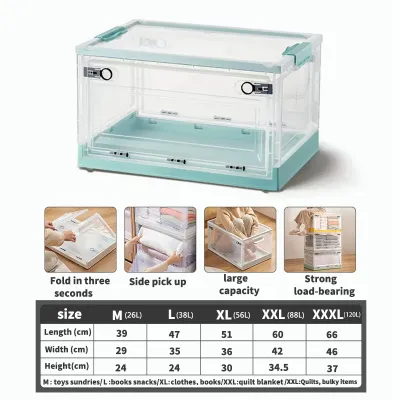
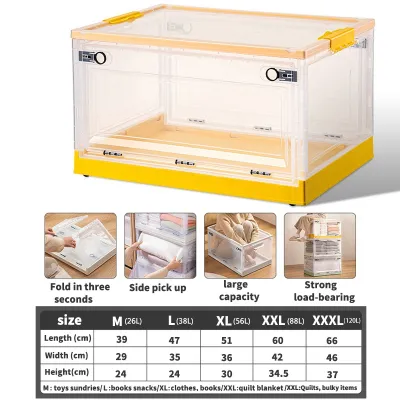
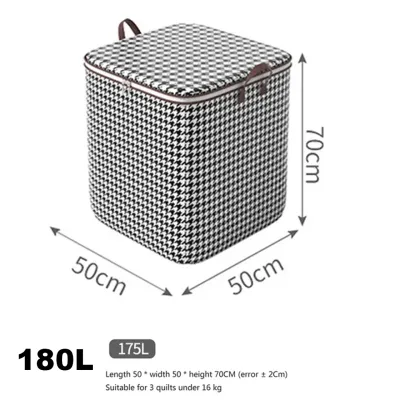
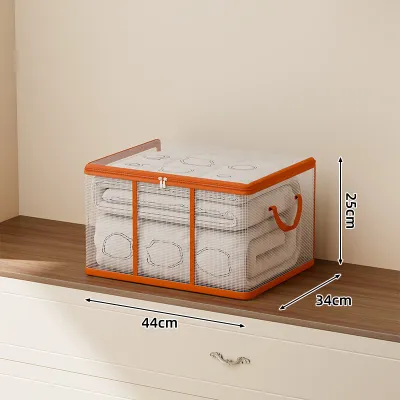
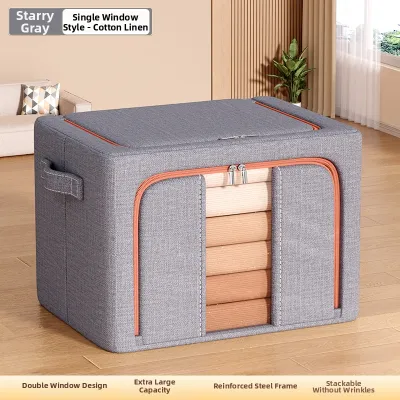
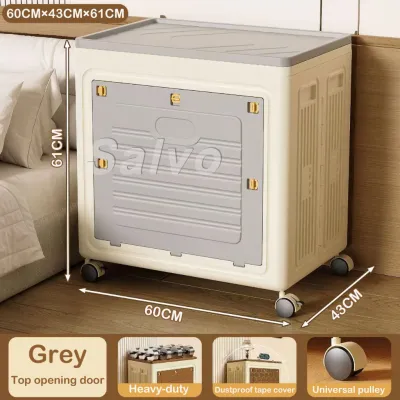
Prices are valid at publication and may change. Please refer to the product page for the latest price.
Next, measure the usable depth beneath the bed. If your bed is pushed against a wall, measure from the outer edge of the frame to the wall. For beds positioned in the center of a room, measure from the edge to the center support beam. This depth measurement determines how long your storage boxes can be.
Finally, calculate the available width to determine how many boxes you can place side-by-side. If you have a queen-sized bed, you might have enough width to fit two or three medium-sized boxes instead of one massive container. Planning for multiple smaller boxes is often more practical in tight condo bedrooms, as it allows you to pull out only what you need without blocking the narrow walkways around your bed.
Identify Hidden Bed Frame Obstructions and Hardware
A common mistake when choosing an under-bed collapsible storage box is overlooking the structural hardware of the bed frame itself. Many modern condo bed frames, especially queen and king sizes, rely on center support legs and crossbars to distribute weight safely. These metal or wooden supports divide the under-bed space into smaller compartments, effectively blocking you from sliding a single wide or deep box all the way under. Carefully inspect the underside of your bed to map out where these legs and bars are located, as they will dictate the maximum width and depth of each individual storage unit.

You must also account for soft obstructions such as bed skirts or low-hanging mattress support slats. While a bed skirt can neatly hide your storage boxes, it can also get caught in zippers or wheels. If your bed frame features built-in drawers on one side, your usable under-bed storage space is halved, meaning you can only utilize the open side.
Additionally, consider the physical layout of your condo bedroom. In compact units, the clearance between the edge of the bed and the nearest wall or wardrobe is often limited. Ensure that the path you use to pull the box out is completely clear of obstacles. If you choose a box that is 80 centimeters deep, you need at least 80 centimeters of open floor space beside the bed to pull the box out completely and access its contents.
Decode Collapsible Box Dimensions and Weight Limits
When browsing for a collapsible storage box, it is crucial to distinguish between external dimensions and internal capacity. Manufacturers often highlight the internal volume in liters, but for under-bed storage, the external dimensions—including handles, zippers, wheels, and structural frames—are what determine whether the box will fit. A box advertised as 15 centimeters tall might actually measure 18 centimeters once you account for a raised lid or protruding corner reinforcements. Always check the detailed specification sheet for the absolute maximum external footprint.
The material of the collapsible box also plays a significant role in its final shape. Fabric boxes made of canvas or oxford cloth are highly popular because they fold flat when empty. However, these soft-sided boxes tend to bulge outward and upward when packed to capacity with soft items like pillows or blankets. A soft box that measures 15 centimeters high when empty can easily stretch to 18 or 20 centimeters when overstuffed, wedging tightly under the bed frame.
If you prefer a box that maintains its shape, look for collapsible models that feature internal steel frames, rigid plastic panels, or reinforced fiberboard walls. These structures prevent bulging and allow you to stack boxes if your clearance permits. However, keep in mind that these rigid elements add to the overall weight of the empty box, which must be factored into your handling and the box’s specified weight limits.
Align Box Capacity With Your Condo Storage Items
To choose the right size, you must align the box’s physical volume and structural strength with the specific items you plan to store. In tropical climates like the Philippines, under-bed storage is frequently used for bulky items that are not needed daily, such as thick comforters, extra bed sheets, guest pillows, or seasonal travel gear. For lightweight but high-volume items like bedding, a larger, soft-sided collapsible box is highly efficient because it maximizes the usable volume without becoming too heavy to lift.
Conversely, if you plan to store heavier items such as shoes, books, or kids’ toys, you should opt for smaller, modular collapsible boxes. Loading a single large box with heavy items makes it incredibly difficult to slide out, risks scratching your flooring, and can cause the bottom of the box to sag or tear. Check the manufacturer’s weight capacity ratings to ensure the box can support your intended load without structural failure.
Using multiple smaller boxes also allows for better organization. You can dedicate one box to bed linens, another to off-season clothing, and a third to footwear. This modular approach is far more manageable in a small condo, as smaller boxes are lighter, easier to maneuver around tight corners, and simpler to pack and unpack within a limited floor area.
Avoid Common Under-Bed Sizing and Packing Mistakes
One of the most frequent errors is purchasing storage boxes based solely on a visual estimate rather than precise measurements. A box that looks small on a screen can easily turn out to be too tall for a low-profile condo bed frame. Always use a physical measuring tape to verify your clearances before placing an order on any online marketplace.
Another mistake is failing to account for the friction between the bottom of the box and your flooring. If your condo has polished wood, laminate, or vinyl flooring, sliding a heavy, unreinforced fabric box back and forth can cause scratches or wear down the fabric over time. For carpeted floors, sliding can be even more difficult due to high friction. Ensure your chosen box has a smooth, durable bottom material, or use a protective slider if necessary.
Lastly, avoid overpacking your collapsible boxes. Forcing a zipper shut on an overfilled fabric box puts immense pressure on the seams and zipper tracks, leading to premature failure. It also distorts the box’s shape, making it taller than your measured clearance and causing it to get stuck under the bed frame, which can damage both the box and the underside of your mattress.
Frequently Asked Questions (FAQ)
Do collapsible storage boxes need wheels for under-bed use?
Wheels are not strictly necessary, and they can actually be a disadvantage if you have limited vertical clearance. Caster wheels typically add 3 to 5 centimeters to the total height of the box, which might prevent a high-capacity box from fitting under a low-profile bed frame. If you have ample clearance, wheels can make pulling heavy boxes much easier. However, for tight spaces, it is often better to choose a box without wheels that features reinforced, heavy-duty fabric handles on multiple sides, allowing you to slide the box smoothly across the floor.
How do I prevent a soft-sided collapsible box from sagging?
To prevent a soft-sided box from sagging or losing its shape under the bed, utilize internal structural supports. Many high-quality collapsible boxes come with removable plastic or cardboard baseboards that keep the bottom flat. You can also use internal fabric dividers to organize your items and provide vertical support to the walls. When packing, place heavier, flatter items at the bottom to create a stable base, and fill the corners tightly with soft items like towels or t-shirts to help the box maintain its intended rectangular shape. Always stay within the manufacturer’s recommended weight limits to avoid stretching the fabric.
Community discussion
Share your experience or ask a question. Comments are reviewed before publication.